Southwala Shorts
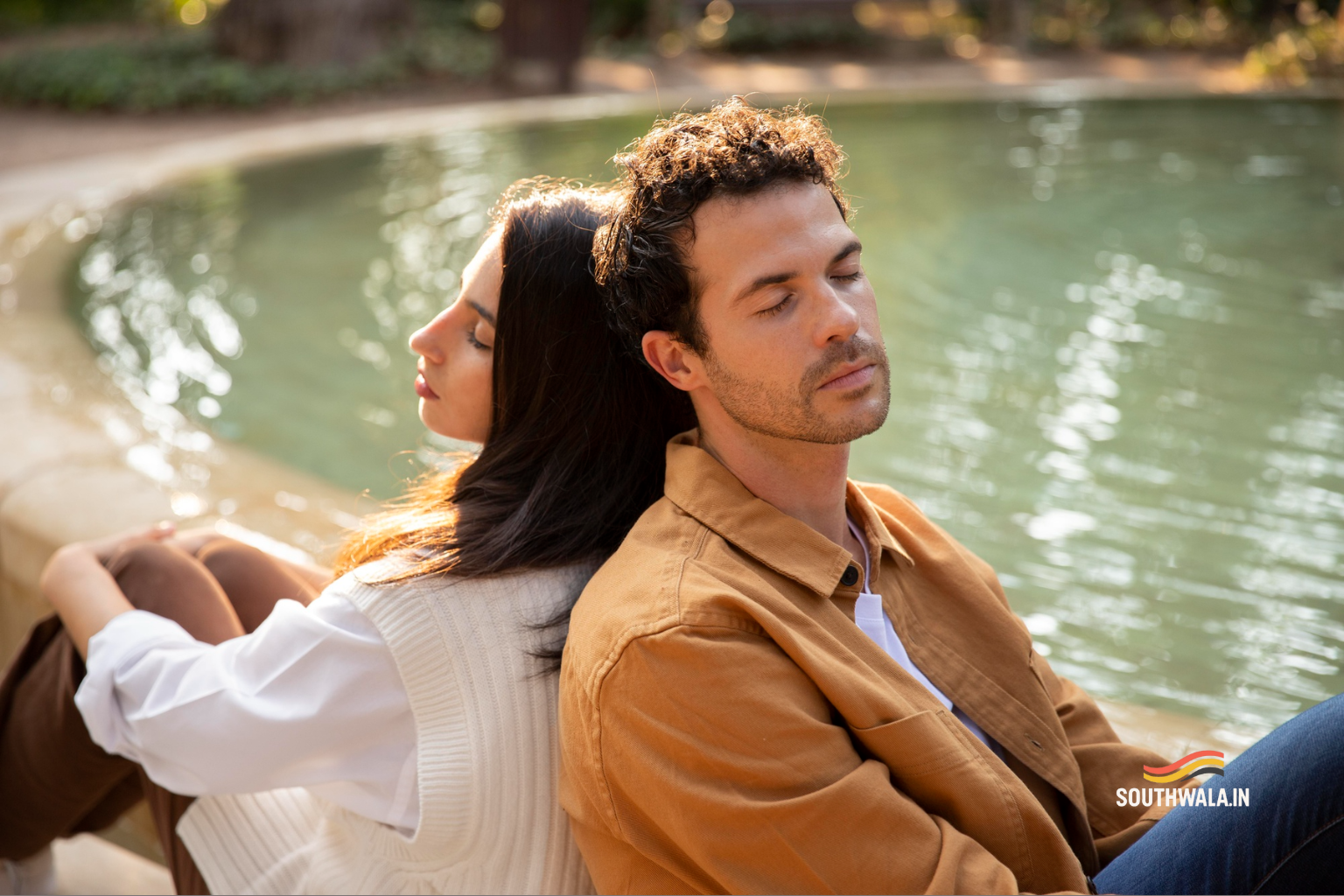
- Love after 30 doesn’t hit like it did in your early twenties.
- It’s quieter, deeper, and far more real.
- The butterflies may be fewer, but the understanding runs stronger.
- For many, the age of thirty becomes a turning point where emotional clarity replaces fantasy, and priorities shift from attraction to alignment.

Love after 30 doesn’t hit like it did in your early twenties. It’s quieter, deeper, and far more real. The butterflies may be fewer, but the understanding runs stronger. For many, the age of thirty becomes a turning point where emotional clarity replaces fantasy, and priorities shift from attraction to alignment. Love matures not because the heart stops feeling, but because life teaches how to feel wisely.
The Shift from Intensity to Intention
In your twenties, love often means passion and spontaneity. It’s about excitement, novelty, and a touch of chaos. But by the time thirty arrives, people usually have faced heartbreak, career pressures, and personal growth. These experiences change how love is viewed. Connection becomes less about spark and more about steadiness. You start to look for partners who share values rather than hobbies, and who can handle silence as comfortably as conversation.
A person over 30 doesn’t fall in love impulsively. They observe. They evaluate. They care, but they calculate too, not out of coldness, but because they have learned that emotional energy is limited and should be invested carefully.
The Role of Self-Awareness
By 30, people generally know who they are, what they can tolerate, and what they truly need. This self-awareness shapes every romantic decision. In earlier years, love feels like discovery after 30; it feels like direction. The idea of “finding someone to complete you” fades away. The focus shifts toward finding someone compatible with your already built life.
This awareness also brings honesty. There’s less pretending, less fear of rejection, and more courage to walk away from half-hearted connections. Many realize that peace is more valuable than constant passion, and emotional safety becomes the new definition of attraction.
The Impact of Career and Independence
Modern adults in their thirties often have careers, financial independence, and personal routines. Love has to fit into that framework. Unlike early relationships where life revolves around the partner, people after 30 want balance. They look for a relationship that adds to their stability, not one that threatens it.
This doesn’t mean love becomes less romantic it becomes practical. Shared goals, financial values, and emotional maturity weigh more than grand gestures. Love starts to look like mutual respect and teamwork rather than endless texting and late-night calls.
The Weight of Emotional Baggage
By 30, almost everyone carries emotional scars from failed relationships, betrayals, or lost opportunities. This baggage influences how people give and receive love. Some become more protective of their emotions, while others learn to communicate better. Love feels different because vulnerability becomes both harder and more valuable. When someone opens up after 30, it carries far more depth and sincerity.
At the same time, the fear of repeating mistakes shapes behavior. People become selective, cautious, and slower to trust. But when they do, the bond often feels stronger, because it’s built with full awareness of life’s imperfections.
The Desire for Real Connection Over Ideal Fantasy
In their twenties, people often chase an ideal love, something cinematic, effortless, and dramatic. By the thirties, the illusion fades. Real love looks like partnership during stress, companionship during silence, and commitment through flaws. Emotional depth replaces excitement as the metric of connection.
Those who once wanted constant thrills begin to appreciate consistency. Conversations about travel and fun are replaced with talks about the future, health, and emotional growth. The heart doesn’t stop craving love it simply craves a more grounded kind.
The Beauty of Love After 30
Love after 30 may not come with fireworks, but it brings calm and clarity. It’s less about fantasy and more about fulfillment. There’s maturity in knowing that relationships require effort and empathy. It’s not about finding perfection; it’s about choosing someone imperfect every day and still feeling grateful for it.
Those who experience love in their thirties often describe it as a friendship with emotional loyalty, physical comfort, and mental peace, a kind of love that doesn’t demand attention, but earns it.
FAQs
1. Why love feels calmer after 30
Because emotional maturity replaces impulsive behavior, and people value stability over thrill.
2. Why do people become more selective in relationships after 30
Life experiences teach them the cost of emotional mistakes, leading to more careful choices.
3. Why relationships last longer after 30
Partners communicate more openly, manage expectations better, and prioritize emotional compatibility.
4. Why independence changes the way love is expressed
People learn to balance affection with personal space, making relationships healthier and more respectful.
5. Why love after 30 feels more real
Because it’s built on awareness, intention, and shared values rather than temporary emotions or external approval.
Author


Discover more from Southwala
Subscribe to get the latest posts sent to your email.