Southwala Shorts
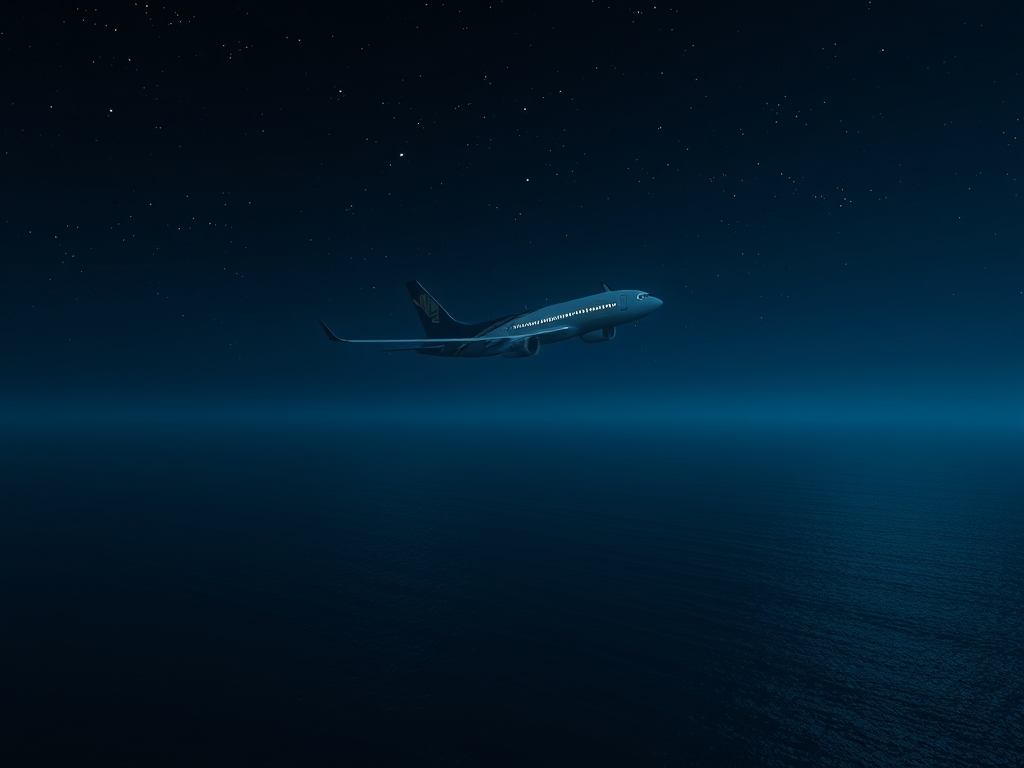
- If you’ve ever sat on a plane at night and looked out of the window while flying over the sea, you know it can feel...
- Everything is pitch black.
- There are no streetlights, no buildings, no signs of land.
- You might wonder – how do pilots even know where they are going?

Highlights
- Pilots use technology, not eyesight, to fly at night over the sea
- GPS, autopilot, and special ocean routes make these flights safe
- Airlines follow strict rules and have backup plans for emergencies
How Flights Travel in the Night Over the Sea
If you’ve ever sat on a plane at night and looked out of the window while flying over the sea, you know it can feel a little strange. Everything is pitch black. There are no streetlights, no buildings, no signs of land. You might wonder – how do pilots even know where they are going?
The answer is simple: they don’t need to see the ground. They have technology, training, and clear rules to guide them.
How Pilots Know Where They Are
At night over the sea, there are no landmarks. So pilots depend on navigation systems instead of their eyes.
- GPS (Global Positioning System) – Just like your phone’s maps app, GPS tells the plane exactly where it is in the world.
- Inertial Navigation System (INS) – This works even if GPS stops. It calculates position using the plane’s speed, direction, and time.
- Waypoints – These are like invisible checkpoints in the sky. Pilots follow them one by one until they reach the destination.
Example: If a flight is going from Mumbai to London, it might have waypoints over the Arabian Sea, the Middle East, and Europe. Even over the dark ocean, the plane always knows the next point to aim for.
Who Watches the Planes Over the Sea
You might think that once the plane leaves land, nobody is watching. That’s not true.
- Oceanic Control Centers (like Gander in Canada or Shanwick in the UK) track planes across the sea using satellite communication.
- Pilots send position reports every 15 to 30 minutes, saying where they are, what height they are flying at, and their next point.
- Aircraft fly at different altitudes depending on direction to avoid each other.
Fact: Over the Atlantic Ocean, there are organised paths called North Atlantic Tracks that change daily based on winds.
Autopilot Does Most of the Work
Once the plane is at cruise height, autopilot takes over.
- It keeps the aircraft on the planned route
- Adjusts height and speed for best fuel use
- Can change course if there is bad weather ahead
Example: If there’s a storm cloud over the sea, autopilot will help the plane go around it, just like a car taking a small detour.
How Safety is Maintained at Night
Flying at night over the sea is just as safe as during the day.
- Weather radar spots bad weather far ahead
- Engine monitoring systems alert pilots instantly if there’s a problem
- Planes carry extra fuel in case they need to turn back or divert
Fact: International rules from ICAO (International Civil Aviation Organization) make sure all ocean flights follow the same safety standards.
What if Something Goes Wrong
Even though emergencies are rare, there are plans for them.
- If a twin-engine aircraft loses one engine, it must land at the nearest ETOPS-certified airport.
- These airports are chosen in advance before the flight even takes off.
- Life rafts and life vests are kept on board for passengers and crew.
Example: On some Pacific routes, planes plan diversion airports like Honolulu or Guam, even if they’re hundreds of kilometres away.
Why You Don’t Need to Worry
Pilots are specially trained for flying over the sea at night. The aircraft have multiple backup systems, and there’s always someone on the ground tracking the flight. Even though the view outside the window might be pure darkness, the journey is planned and controlled every step of the way.
FAQs
1. Can pilots see the ocean at night?
No, it’s too dark. They rely on instruments and radar.
2. What happens if GPS stops working?
The plane switches to backup navigation like INS, which doesn’t need satellites.
3. Are there set routes over the ocean?
Yes, they are called tracks, and they can change every day based on weather.
4. How do pilots talk to control centers over the sea?
They use satellite communication and high-frequency radio.
5. What is ETOPS?
It’s a rule that makes sure twin-engine planes can always reach an airport even if one engine fails.
Author


Discover more from Southwala
Subscribe to get the latest posts sent to your email.