Southwala Shorts
- Jet lag is something almost every traveler experiences.
- Long flights across time zones disturb the bodys natural sleep cycle, leaving people tired, moody, and unable to focus.
- For most of us, it takes days to recover.
- Yet, professional pilots manage to bounce back much quicker than regular passengers.

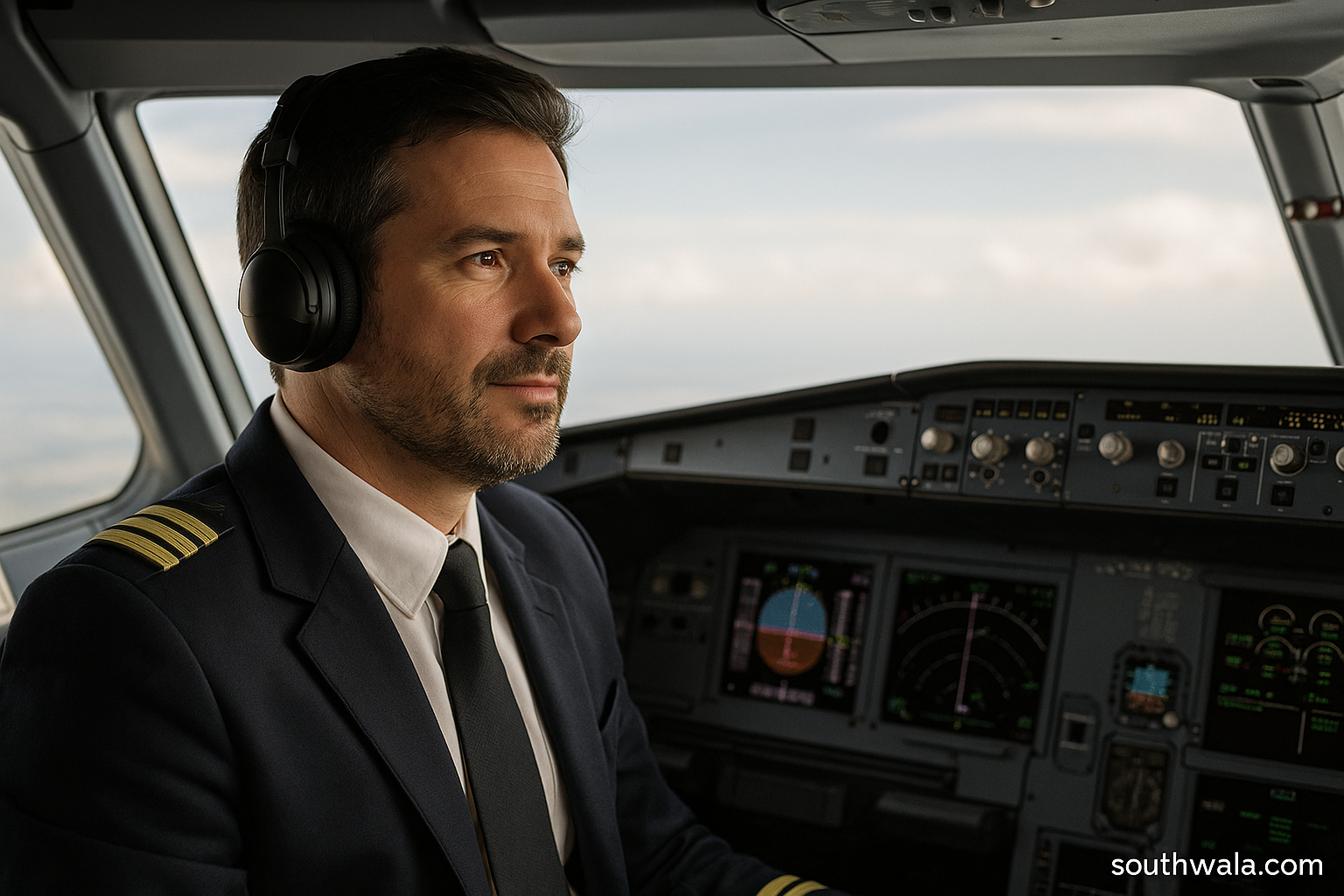
Jet lag is something almost every traveler experiences. Long flights across time zones disturb the bodys natural sleep cycle, leaving people tired, moody, and unable to focus. For most of us, it takes days to recover. Yet, professional pilots manage to bounce back much quicker than regular passengers. This is not by accident but through science, discipline, and strict training.
Science of Body Clocks
Every human body runs on an internal 24-hour rhythm known as the circadian cycle. It controls when we feel awake and when we feel sleepy. During international travel, this rhythm gets confused. Pilots, however, train themselves to reset this body clock by controlling exposure to light, food timing, and sleep schedules. Their body learns to adjust more rapidly than average travelers.
Training Makes the Difference
Pilots undergo continuous training not only for flying but also for managing their own health. Airlines teach them techniques like controlled rest, hydration planning, and strategic naps. Unlike passengers who simply board and sleep randomly, pilots follow a set pattern. For example, after flying eastward, they might force themselves to get sunlight exposure early in the day to quickly align with local time.
Discipline in Lifestyle
Unlike most travelers who indulge in heavy meals or alcohol on flights, pilots maintain discipline. They avoid stimulants, stay hydrated, and eat light meals at proper intervals. These small habits help their bodies avoid the crash that passengers often feel after a long journey. The result is faster recovery from time zone changes.
Technology and Planning
Modern cockpits are not just about navigation. Pilots also receive fatigue management tools from airlines. Flight schedules are designed with built in rest periods. Some airlines use special apps that tell pilots the best time to sleep or get sunlight exposure before and after long flights. This scientific planning helps their bodies adapt much quicker.
Mental Conditioning
Beyond the physical, pilots also learn mental strategies. Stress makes jet lag worse, but pilots are trained to stay calm, alert, and mentally balanced. By practicing breathing techniques and mindfulness, they reduce fatigue and improve alertness even after long journeys.
FAQs
1. Why do pilots recover from jet lag quicker than normal people?
Because they train their bodies through strict schedules, light exposure, and disciplined routines, which resets the circadian rhythm faster.
2. Do airlines provide special support to pilots for jet lag?
Yes, airlines give rest planning, apps, and guidelines to help pilots adjust faster between time zones.
3. Can passengers use the same tricks as pilots?
Absolutely. By controlling sleep, avoiding heavy meals, and using sunlight exposure, passengers can also reduce jet lag symptoms.
4. Does flying direction affect jet lag?
Yes, eastward travel usually causes more fatigue, while westward is easier. Pilots adapt using different strategies for each direction.
5. Is jet lag dangerous for pilots during flights?
No, because strict rules and schedules ensure pilots rest enough before operating any flight, keeping safety the top priority.
Author


Discover more from Southwala
Subscribe to get the latest posts sent to your email.