Southwala Shorts
- Space looks calm, but it is one of the most dangerous environments known to humankind.
- The spacesuit is not a fashion statement; it is life support.
- Without it, the human body cannot survive even for a few seconds.
- Space is a vacuum no air, no pressure, and no protection from radiation or temperature extremes.

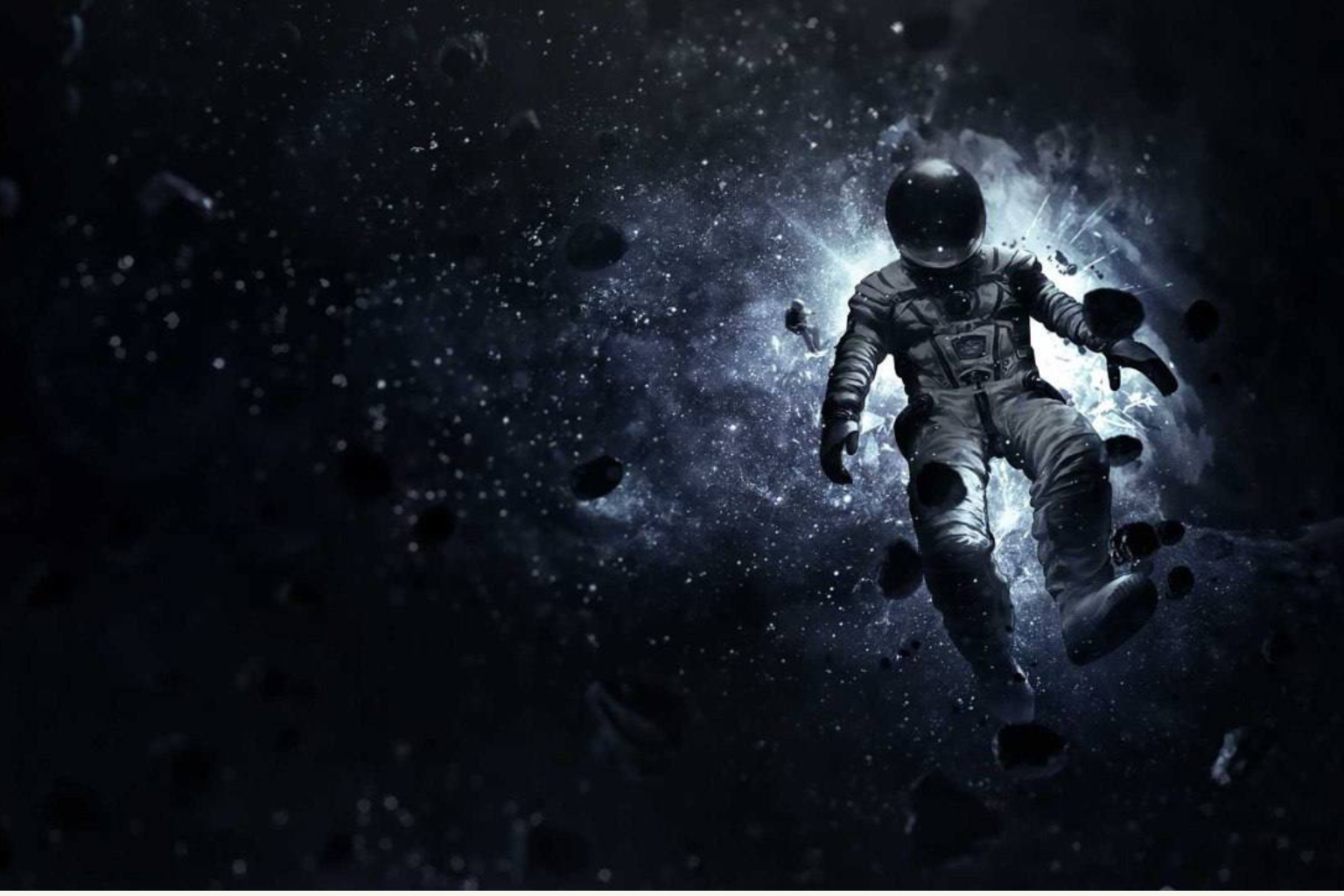
Space looks calm, but it is one of the most dangerous environments known to humankind. The spacesuit is not a fashion statement; it is life support. Without it, the human body cannot survive even for a few seconds. Space is a vacuum no air, no pressure, and no protection from radiation or temperature extremes.
The moment a person steps into space without a spacesuit, the body begins to react in ways that are both fascinating and terrifying.
Loss of Air and Rapid Decompression
Inside a spacecraft or spacesuit, air pressure keeps the body’s gases balanced. Outside, space has zero pressure. Without protection, the air inside the lungs rushes out instantly.
If the person tries to hold their breath, the pressure difference can rupture the lungs. Within seconds, oxygen levels in the blood drop to zero, leading to hypoxia and loss of consciousness due to lack of oxygen.
The person would pass out in about 10 to 15 seconds.
Body Expansion Without Explosion
A popular myth says the body would explode in space. That is not true. The skin and tissues are strong enough to hold the body together. However, the body would expand, as gases in soft tissues like the stomach and lungs start to swell due to a lack of external pressure.
The person’s body might double in volume, giving a bloated appearance, but not burst.
The expansion would also make the tongue and eyes swell slightly, creating intense discomfort.
Evaporation and Boiling of Bodily Fluids
Space is so empty that it causes ebullism, a process where body fluids start to boil at normal body temperature because of low pressure.
Saliva on the tongue and moisture in the eyes would begin to vaporize instantly. The body would not feel heat from boiling but instead experience a cooling effect as fluids turn into gas.
In a few seconds, this could cause severe swelling and dehydration.
Extreme Temperature Exposure
In space, there is no air to conduct heat. This means the temperature doesn’t rise or fall immediately. A person would not freeze instantly or burn instantly. However, if directly exposed to sunlight, skin temperature could rise above 120°C, and in shadow, it could drop below -150°C.
Over time, parts of the body exposed to sunlight would burn, while shaded parts would freeze.
A spacesuit is designed to manage this massive temperature difference by using insulation and cooling systems.
Radiation and Cellular Damage
Without a suit, there is no protection from cosmic radiation and solar ultraviolet rays. In minutes, radiation would begin damaging cells, DNA, and internal organs. Prolonged exposure would increase the risk of cancer and radiation poisoning.
Astronaut suits and spacecraft use layers of shielding to reduce this risk.
Final Moments Before Death
The human body can technically survive in space for about 60 to 90 seconds before permanent damage occurs.
After loss of consciousness, the body drifts, blood circulation stops, and tissues begin to freeze and decompose under vacuum.
If recovered and repressurized within 30 seconds, a person could theoretically survive, though with severe injuries. Beyond that, death becomes irreversible.
Space is not designed for life. Every detail of a spacesuit, from oxygen supply to thermal control, exists because the human body cannot protect itself there.
Without a suit, survival time is shorter than a deep breath. Space reminds humanity that technology is not a luxury, but survival itself.
FAQs
Can a person survive in space for a short time?
Yes, survival for up to 90 seconds is possible if rescued and repressurized quickly.
Can the body explode in space?
No, the body expands but does not burst because skin and tissues hold it together.
Can a person freeze instantly in space?
No, heat transfer in space is slow; freezing takes several minutes.
Can radiation in space damage the body?
Yes, cosmic radiation can destroy cells and cause long-term genetic damage.
Can holding breath help survival in space?
No, holding breath can rupture the lungs due to the pressure difference.
Author


Discover more from Southwala
Subscribe to get the latest posts sent to your email.