Southwala Shorts
- When we’re in stressful environments – traffic jams, noisy offices, crowded streets – our body produces higher levels of cortisol, the stress hormone.Nature exposure has...
- Example:A Japanese study on shinrin-yoku (forest bathing) found that people walking in forests had a 16% lower heart rate and 12% lower cortisol compared to...
- Natural environments tend to be quieter, with rhythmic, non-threatening sounds like rustling leaves or flowing water.
- These cues signal to our nervous system that there’s no danger, activating the parasympathetic nervous system the body’s rest-and-recover mode.

Highlights
- Nature reduces stress hormones and slows the heart rate.
- It improves focus, mood, and even physical healing.
- Scientific studies link nature exposure to lower anxiety and depression.
- Real-life scenarios show why we feel calmer in forests, parks, and near water.
- Ancient traditions across cultures have always used nature as therapy.
Why Nature Has This Effect on Our Mind and Body
1. It Lowers Stress Hormones
When we’re in stressful environments – traffic jams, noisy offices, crowded streets – our body produces higher levels of cortisol, the stress hormone.
Nature exposure has been shown to reduce cortisol within minutes.
Example:
A Japanese study on shinrin-yoku (forest bathing) found that people walking in forests had a 16% lower heart rate and 12% lower cortisol compared to those walking in urban areas.
2. It Slows Our Breathing and Heart Rate
Natural environments tend to be quieter, with rhythmic, non-threatening sounds like rustling leaves or flowing water. These cues signal to our nervous system that there’s no danger, activating the parasympathetic nervous system the body’s rest-and-recover mode.
Scenario:
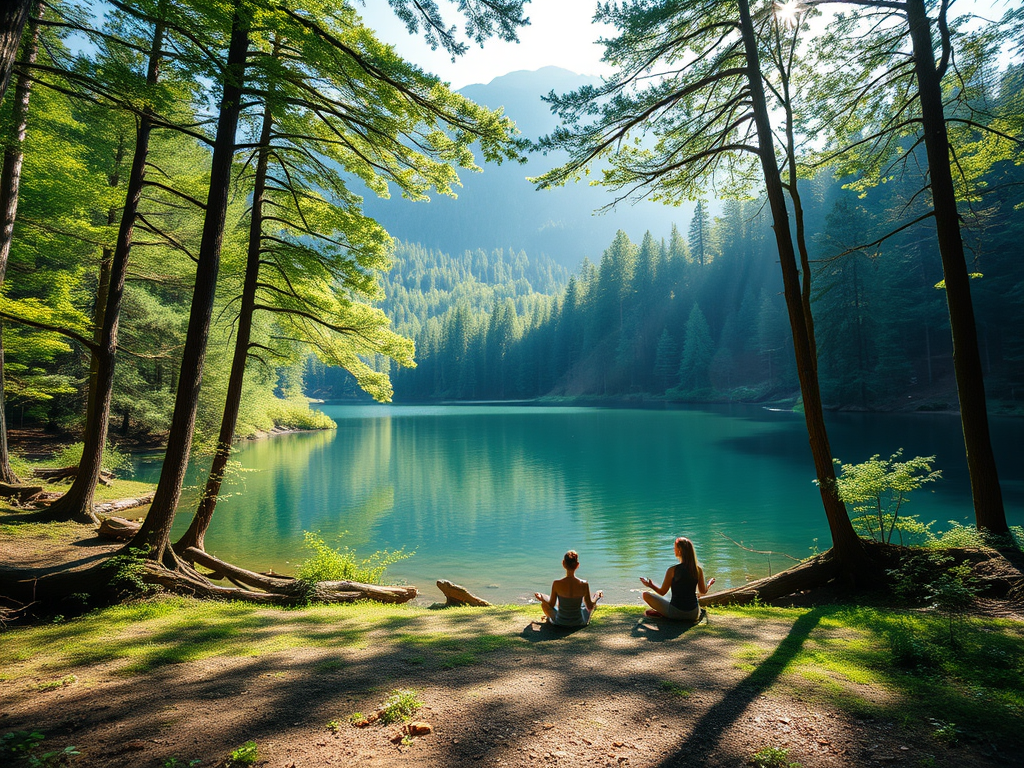
Sitting beside a calm lake, hearing gentle waves, you unconsciously start taking slower breaths. This tells your body, “We’re safe,” which lowers tension.
3. It Improves Mental Clarity and Focus
Urban life demands constant attention – honking cars, flashing ads, conversations, alerts on phones. This drains our directed attention, the mental energy we use to focus.
Nature restores what researchers call soft fascination – things that gently hold our attention without effort, like watching clouds move or birds fly.
Example:
A University of Michigan study found that students who walked in an arboretum performed 20% better on memory and attention tests than those who walked down a city street.
4. It Gives Us a Sense of Scale
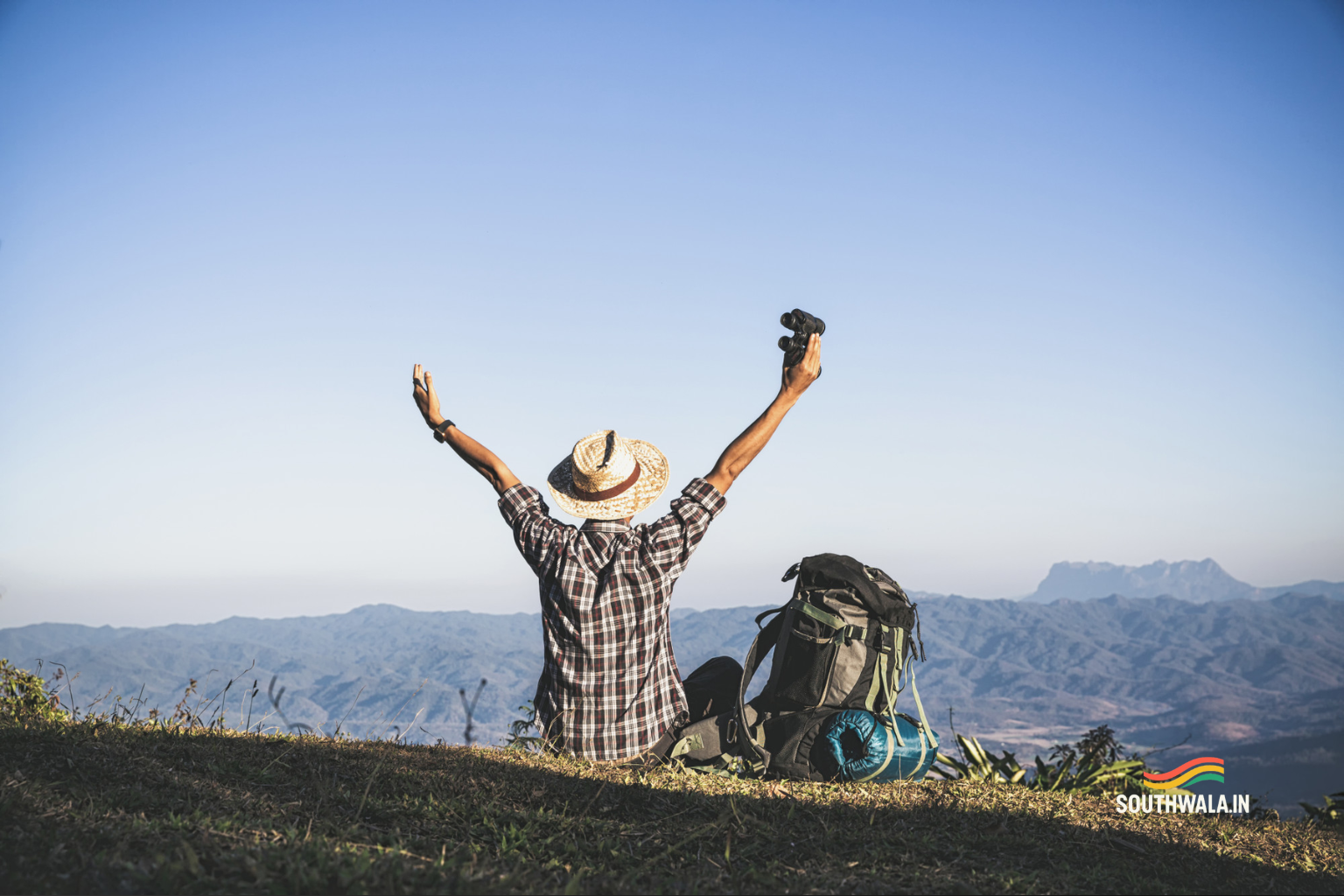
Nature reminds us we are part of something bigger. Looking at a mountain range or ocean horizon shifts our perspective, which can make personal worries feel smaller.
Scenario:
Standing at the edge of the Grand Canyon, even big life problems feel less overwhelming because your mind registers the vastness around you.
5. It Boosts Positive Neurochemicals
Sunlight exposure increases serotonin, the “feel-good” neurotransmitter that lifts mood. Physical activity outdoors also triggers endorphins, which act as natural painkillers and mood elevators.
Example:
A 15-minute walk in a sunny park can trigger a measurable rise in serotonin levels, improving mood for several hours.
6. It Taps Into Our Evolutionary Programming
Humans evolved in natural environments for thousands of years. Our brains are wired to find safety, resources, and comfort in these settings.
Greenery often meant water nearby, which meant survival. That’s why green landscapes and clean water still feel reassuring.
Real-Life Scenarios
- After a Tough Meeting
Stepping out into a garden for just 5 minutes can help you reset before your next task. - Recovering from Illness
A famous 1984 hospital study found that patients with a view of trees recovered faster and needed less pain medication than those facing a brick wall. - Handling Anxiety
People who spend 2+ hours a week in nature report significantly lower rates of depression and anxiety, according to a UK government-backed study.
Ancient Traditions That Knew This Already
- Hinduism – Many ashrams are in forests or near rivers because they believed these places promote peace and clarity.
- Japanese Culture – Shinrin-yoku or forest bathing is a formal relaxation practice.
- Native American Traditions – Healing ceremonies often take place in open landscapes, blending spiritual practice with natural immersion.
How to Bring This Into Daily Life
- Take short walks in the nearest park during lunch breaks.
- Add indoor plants and natural light to your workspace.
- Spend weekends in green or coastal areas rather than malls.
- Practice mindful observation – notice colors, smells, textures, and sounds.
FAQs
- Can virtual nature (videos or sounds) calm us down?
Yes, but the effect is weaker than being physically outdoors. - How much nature time is enough?
Research suggests at least 120 minutes per week for measurable benefits. - Why does water feel especially calming?
Water sounds have predictable rhythms that relax the brain’s stress centers. - Do mountains and forests affect us differently?
Both help, but forests lower stress fastest, while mountains inspire awe and perspective. - Does nature help children’s mental health?
Yes, outdoor play improves attention, reduces hyperactivity, and boosts mood.
Author


Discover more from Southwala
Subscribe to get the latest posts sent to your email.