Southwala Shorts
- The Bhagavad Gita is often called the Song of Life.
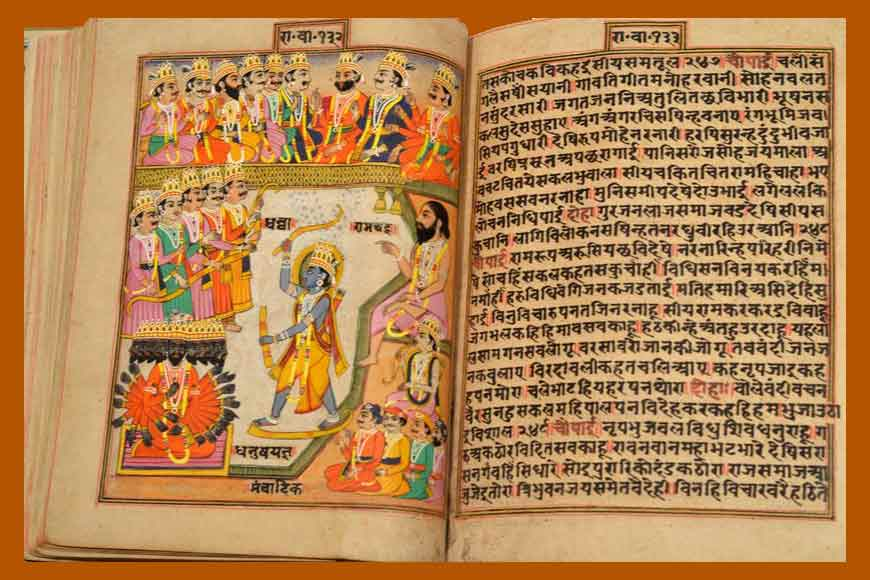
- It was spoken by Lord Krishna to Arjuna on the battlefield of Kurukshetra, a place filled with noise, fear, and moral confusion.
- Many people wonder why such divine wisdom was not revealed in a calm temple, but in the middle of war.
- The answer lies in the essence of human life itself.

The Bhagavad Gita is often called the Song of Life. It was spoken by Lord Krishna to Arjuna on the battlefield of Kurukshetra, a place filled with noise, fear, and moral confusion. Many people wonder why such divine wisdom was not revealed in a calm temple, but in the middle of war. The answer lies in the essence of human life itself.
The Battlefield Represents the Human Mind
The battlefield of Kurukshetra is not just a historical location; it is a symbol of the inner conflict every person faces.
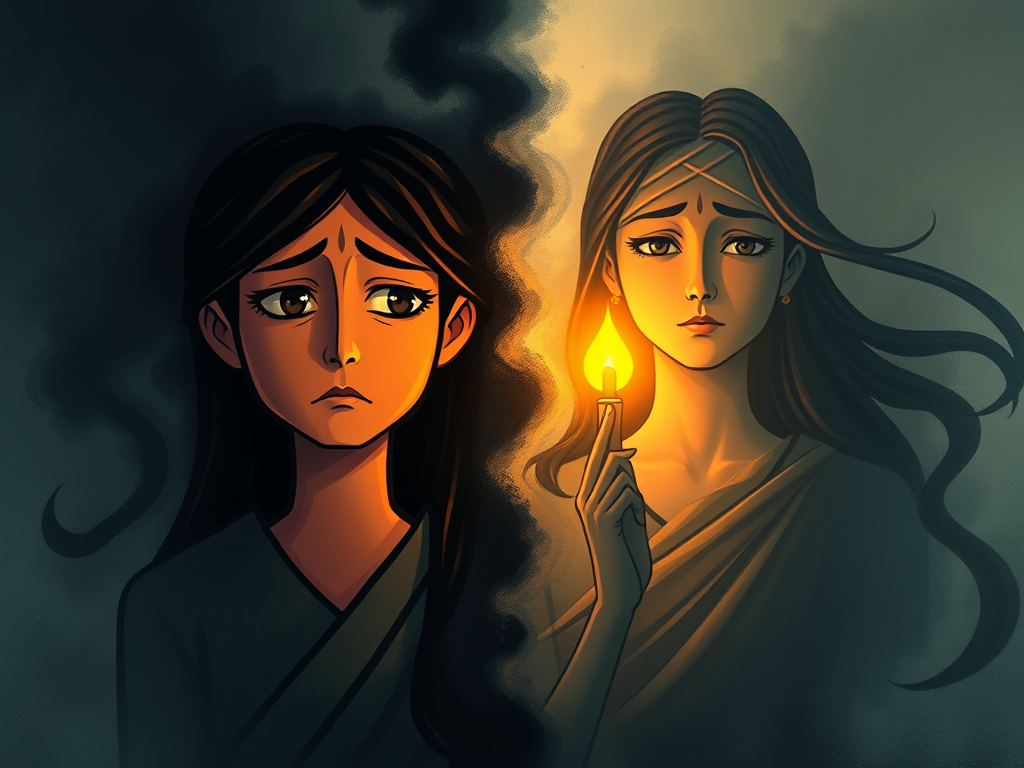
Human life is a constant struggle between duty and desire, courage and fear, clarity and confusion. Arjuna’s hesitation mirrors the modern mind that doubts, overthinks, and questions purpose.
Krishna chose the battlefield because that is where truth becomes real. In moments of chaos and uncertainty, philosophy meets practicality. Temples represent peace; battlefields represent challenge and the Gita is a guide for action, not escape.
The Message Was for Action, Not Meditation Alone
The Gita’s teaching focuses on living with awareness in the middle of responsibility.
Krishna did not ask Arjuna to renounce the world or hide in silence. He asked him to act with clarity, without attachment to results. The battlefield became the perfect setting because it tested Arjuna’s faith, discipline, and courage in the face of duty.
The Gita transforms spiritual wisdom into daily life practice. It teaches that enlightenment does not belong only to saints in temples but also to workers, soldiers, leaders, and householders who perform their duties with integrity.
The Battle Symbolizes Moral and Emotional Dilemmas
Kurukshetra stands for every moment when right and wrong seem blurred.
Arjuna’s struggle was not just about war; it was about loyalty, justice, and family bonds. He had to fight people he loved like his teachers, cousins, and elders.
This emotional storm is what every human faces in life when decisions demand both strength and compassion.
The battlefield teaches that true wisdom is not about avoiding conflict but about maintaining inner peace in the middle of it.
The Gita as a Call for Self-Realization
Krishna’s dialogue with Arjuna is not limited to one warrior; it is meant for every soul trapped between fear and duty. The Gita urges humans to rise beyond temporary emotions and recognize their eternal nature.
The battlefield setting reminds us that self-realization happens in motion, not in retreat. Real spiritual growth occurs in workplaces, families, and societies where people face challenges daily. The temple is inside the mind, and peace begins there.
Life Itself Is a Battlefield
Every person fights invisible battles against doubt, anger, attachment, and loss. The Gita’s wisdom applies to those inner wars. The setting of Kurukshetra reflects the reality that life will never be free of struggle, but clarity can exist even in the middle of chaos.
Krishna’s words remind humanity that wisdom has no perfect environment. It shines brightest in imperfection, pain, and confusion. The Gita was not meant for people escaping life; it was meant for those living fully within it.
The Bhagavad Gita was spoken on a battlefield to remind humanity that spirituality is not about running away from conflict but learning to stay centered within it. The battlefield is a mirror of life, noisy, unpredictable, and full of choices that define destiny.
Krishna’s voice echoed through the chaos of Kurukshetra to teach that the true temple lies within, not outside. Every person’s greatest test happens not in silence, but in action.
FAQs
Can the Gita’s teachings apply to modern life?
Yes, its lessons on duty, detachment, and self-awareness remain relevant in daily challenges.
Can one practice the Gita’s wisdom without being religious?
Yes, the Gita is a philosophical guide that teaches clarity, purpose, and balance, beyond religion.
Can inner peace exist in chaos?
Yes, the Gita shows that peace is internal and can exist even during external turmoil.
Can Arjuna’s doubt represent ordinary people today?
Yes, his confusion reflects the emotional and moral struggles every human experiences.
Can daily work become a spiritual practice through the Gita’s message?
Yes, performing duties sincerely and without attachment to results makes daily life sacred.
Author


Discover more from Southwala
Subscribe to get the latest posts sent to your email.