Southwala Shorts
- Among India’s twelve Jyotirlingas, the Mallikarjuna Swamy Temple at Srisailam stands apart as a symbol of divine unity.
- It is one of the few places where both Lord Shiva and Goddess Parvati are worshipped together, representing balance between masculine and feminine energy, logic...
- Nestled in the Nallamala Hills of Andhra Pradesh, this temple is not just a place of worship but an ancient seat of consciousness where mythology,...
- The story behind the temple begins with the eternal love between Lord Shiva and Goddess Parvati.

Among India’s twelve Jyotirlingas, the Mallikarjuna Swamy Temple at Srisailam stands apart as a symbol of divine unity. It is one of the few places where both Lord Shiva and Goddess Parvati are worshipped together, representing balance between masculine and feminine energy, logic and emotion, discipline and devotion. Nestled in the Nallamala Hills of Andhra Pradesh, this temple is not just a place of worship but an ancient seat of consciousness where mythology, architecture, and faith meet.
The Legend of Mallikarjuna
The story behind the temple begins with the eternal love between Lord Shiva and Goddess Parvati. Their sons, Ganesha and Kartikeya, once competed over marriage. To resolve the issue, Shiva declared that whoever circled the world first would be married first. Kartikeya set out on his peacock, while Ganesha, realizing the deeper meaning, circled his parents, symbolizing that they represent the whole universe.
Shiva and Parvati blessed Ganesha for his wisdom, but Kartikeya felt hurt and withdrew to the mountains of Srisailam. The divine couple followed him to console him, and that is where Shiva took the form of Mallikarjuna, and Parvati manifested as Bhramaramba. Thus, Srisailam became a place of reconciliation and divine compassion.
The Name and Its Meaning
The name Mallikarjuna comes from two words like Mallika, meaning jasmine, and Arjuna, another name for Shiva. According to tradition, Goddess Parvati worshipped Shiva with jasmine flowers here, giving the temple its sacred name. The fragrance of jasmine symbolizes purity and unconditional love, echoing the devotion between the deities and their devotees.
The Architecture and Sacred Layout
The temple is a masterpiece of Kakatiya and Vijayanagara architecture. Built on a hill at an altitude of about 1,500 feet above sea level, it overlooks the Krishna River, which adds to its spiritual charm. The structure is made of stone, with intricately carved pillars, ornate gateways, and a massive courtyard that carries the weight of centuries of devotion.
The main sanctum houses the Shivalinga, believed to be self-manifested. The texture of the Linga is smooth and round, said to radiate a magnetic field that calms the mind of those who meditate near it. Beside the main deity stands the shrine of Goddess Bhramaramba, whose energy complements that of Shiva, forming a rare union of power and compassion.
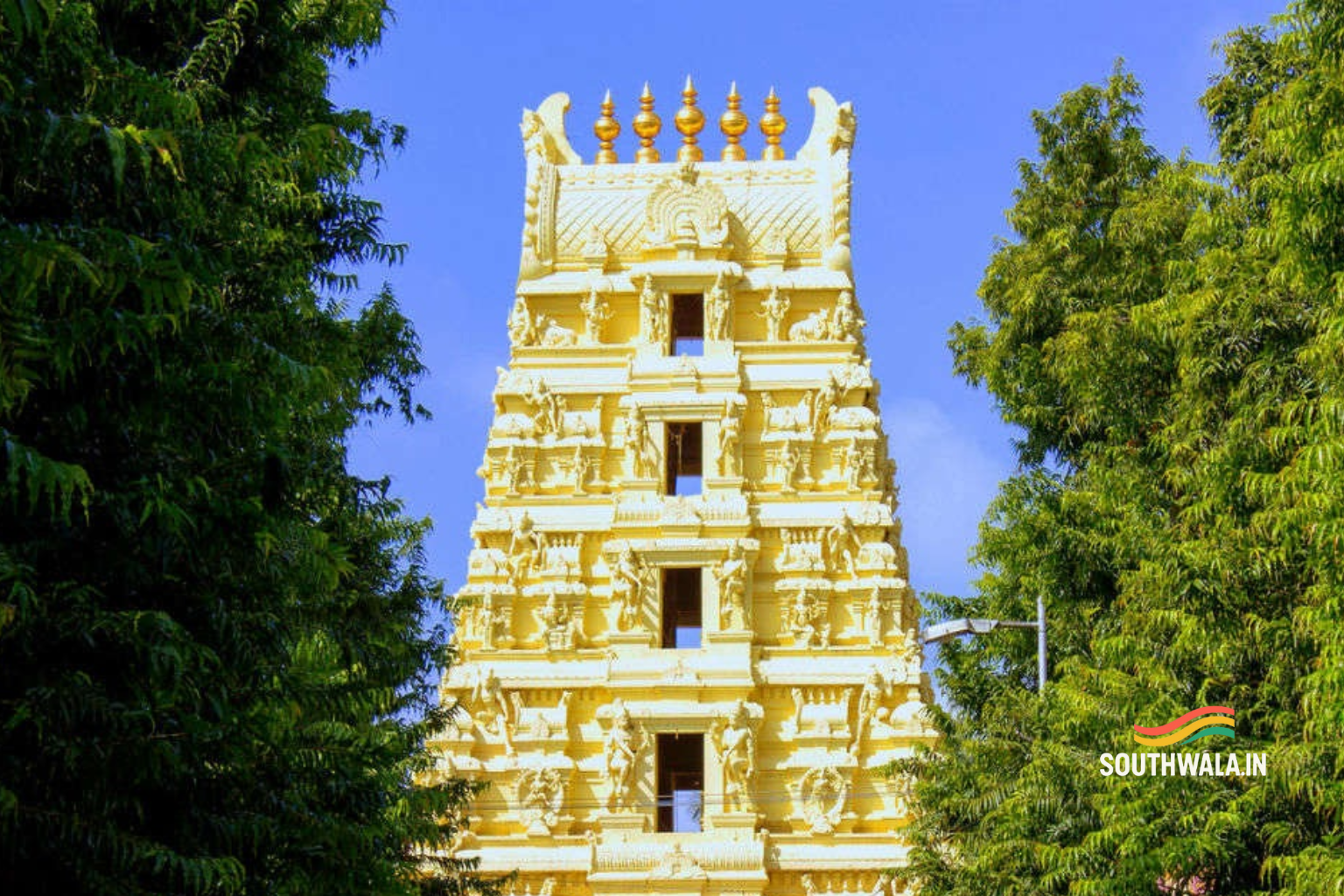
The temple’s entrance, known as the Mukha Mandapa, displays sculptures of deities and mythical beings that narrate stories from the Puranas. The main tower, or Raja Gopuram, rises high into the sky, symbolizing the link between the human world and divine consciousness.
The Temple’s Unique Spiritual Energy
Srisailam is one of the few sites considered both a Jyotirlinga (representing Shiva) and a Shakti Peetha (representing the Goddess). This dual significance makes it a spiritually balanced center where energy is neither solely masculine nor feminine but unified.
Devotees often describe an unusual sense of peace inside the sanctum. The chants, the sound of bells, and the natural setting of the Nallamala forest create an atmosphere that quiets the intellect and awakens devotion. The temple’s design follows the ancient principle of Vaastu, where energy flows inward toward the sanctum and radiates outward, harmonizing the mind and heart.
The River Krishna and Its Symbolism
The temple stands on the banks of the Krishna River, known as Patal Ganga at this location. Pilgrims take a holy dip before entering the temple, believing it purifies both body and spirit. The flowing river represents the continuous journey of life, while the temple represents the unchanging center of truth. The combination of both motion and stillness mirrors the balance of Shiva and Shakti.
The Festivals and Traditions
Srisailam comes alive during the festival of Maha Shivaratri, celebrated with great devotion. Thousands of lamps illuminate the temple, symbolizing the victory of light over darkness. During Karthika Masam, devotees perform Deepotsavam, lighting rows of lamps on the riverbanks and temple steps.
Another important event is the Brahmotsavam, when the idols of Mallikarjuna and Bhramaramba are taken out in grand processions on beautifully decorated chariots. The air fills with chants, music, and the scent of jasmine, re-enacting the divine journey of the deities.
The Philosophical Meaning of Srisailam
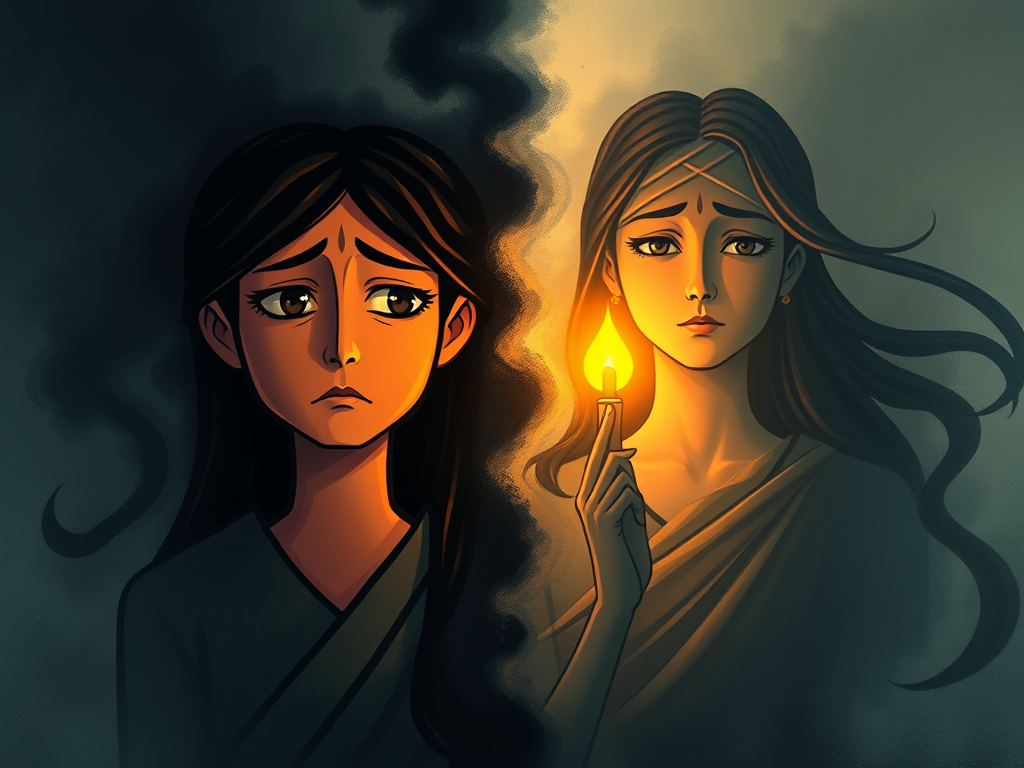
Srisailam represents a profound truth of existence that divinity lies not in isolation but in union. Lord Shiva symbolizes pure consciousness, and Goddess Parvati represents energy or creation. Without energy, consciousness cannot act; without consciousness, energy has no direction.
The temple reminds devotees that balance between thought and emotion, action and stillness, is the true form of worship. Visiting Srisailam becomes a metaphor for returning to that inner balance.
The Modern-Day Relevance
In today’s world of restlessness, Srisailam stands as a reminder of timeless balance. People visit not only for ritual but for reflection. The temple continues to attract both spiritual seekers and environmental enthusiasts because of its ecological harmony, nestled amid forested hills and natural springs.
Many travelers report a sense of grounding when they sit near the temple steps or gaze at the Krishna River flowing below. The place seems to slow down the noise of the mind, reminding visitors that silence too is a form of prayer.
The Temple as a Living Heritage
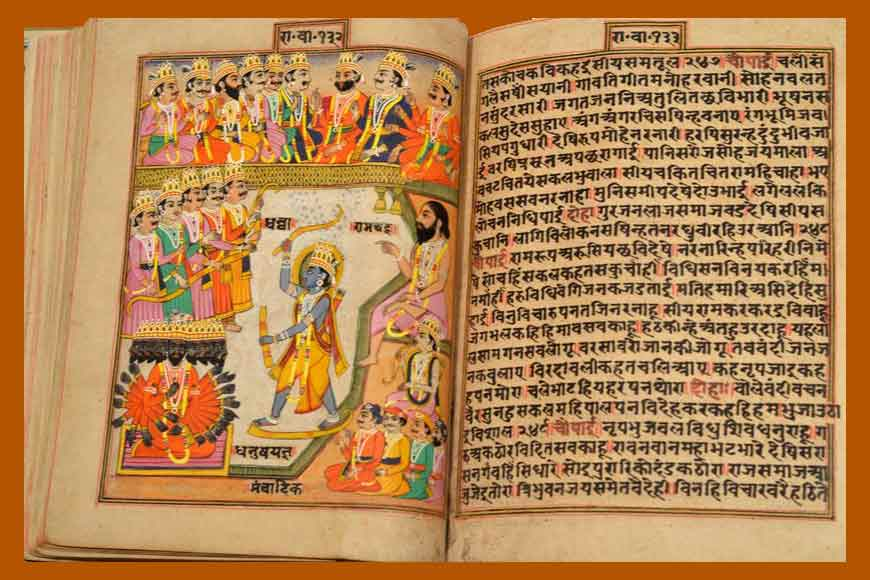
Despite being centuries old, Mallikarjuna Temple remains vibrant with daily worship, Vedic chanting, and cultural performances. The priests follow the same rituals that were written in the Agama scriptures thousands of years ago. It is a place where history is not preserved in stone but lived in rhythm, sound, and faith.
The spiritual legacy of Srisailam continues to connect generations, teaching that divinity is not found in escape from the world but in understanding its unity.
Frequently Asked Questions
Why is Srisailam considered both a Jyotirlinga and a Shakti Peetha?
Because the temple houses Lord Mallikarjuna (Shiva) and Goddess Bhramaramba (Shakti), making it a rare site representing both divine principles.
Is the Shivalinga here naturally formed?
Yes, devotees believe the Linga is self-manifested, radiating energy that creates a peaceful vibration within the sanctum.
What makes Srisailam special compared to other Shiva temples?
It uniquely combines devotion, natural beauty, and spiritual balance, standing as a symbol of union between consciousness and energy.
Are there specific rituals performed only in Srisailam?
The temple conducts special pujas for Shiva and Shakti together, and devotees also perform ancestral rites near the Krishna River.
Does visiting Srisailam have spiritual benefits?
Devotees believe it removes inner conflict, promotes emotional balance, and deepens the sense of connection with divine consciousness.
Author


Discover more from Southwala
Subscribe to get the latest posts sent to your email.