Southwala Shorts
- Religion has guided human society for thousands of years, shaping culture, philosophy, and identity.
- Among the many faiths practiced today, historians and scholars widely recognize Hinduism as the world’s oldest living religion.
- Rooted in India, it is not just a faith but also a way of life that has evolved continuously for more than 4,000 years.
- Hinduism does not have a single founder or a fixed starting date.

Religion has guided human society for thousands of years, shaping culture, philosophy, and identity. Among the many faiths practiced today, historians and scholars widely recognize Hinduism as the world’s oldest living religion. Rooted in India, it is not just a faith but also a way of life that has evolved continuously for more than 4,000 years.
Origins of Hinduism
Hinduism does not have a single founder or a fixed starting date.
- The earliest roots go back to the Indus Valley Civilization (around 2500–1500 BCE).
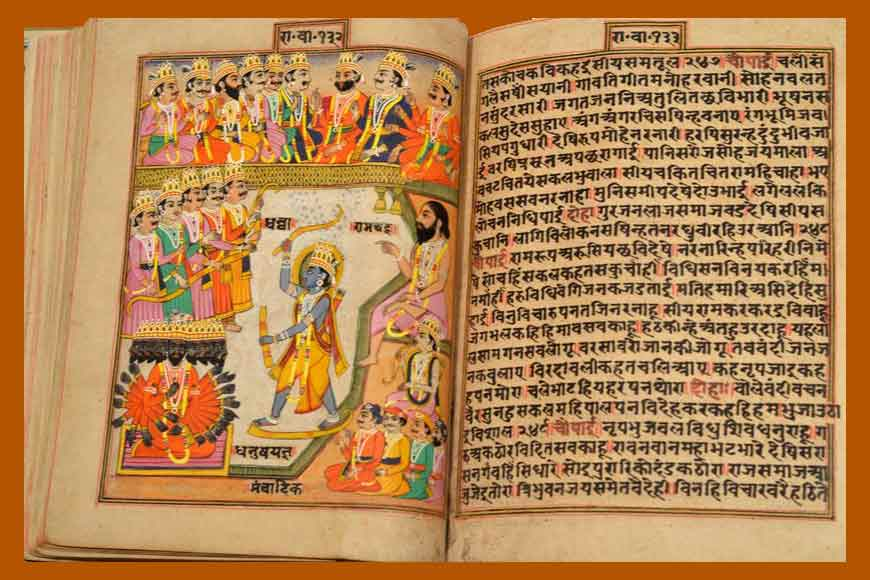
- Ancient texts called the Vedas, written in Sanskrit, form the foundation of Hindu philosophy.
- Unlike other religions that began with prophets or leaders, Hinduism grew gradually through rituals, oral traditions, and philosophical debates.
Why Hinduism is Considered the Oldest
- It is a living tradition still practiced by over a billion people today.
- Its scriptures, like the Vedas, Upanishads, and Bhagavad Gita are among the oldest religious texts in the world.
- The faith has adapted and absorbed local practices over centuries, proving its continuity.
Core Beliefs of Hinduism
- Dharma: Living a righteous life
- Karma: Actions shaping future consequences
- Reincarnation: Cycle of birth and rebirth
- Moksha: Liberation from the cycle of life and death
- Many forms of the divine: Worship of deities like Vishnu, Shiva, Durga, and others
This flexible framework allows diverse practices under one broad religion.
Comparison With Other Ancient Traditions
While Hinduism is recognized as the oldest practiced religion, other traditions also have deep roots:
- Zoroastrianism (Persia): Around 3,500 years old, founded by Prophet Zoroaster.
- Judaism (Middle East): Over 3,000 years old, based on the Hebrew Bible.
- Ancient Egyptian Religion: Centered around gods like Ra and Osiris, but it eventually faded away.
The key difference is continuity Hinduism has survived and thrived, while many others have declined.
Importance of Understanding Oldest Religions
Studying the oldest religions helps us understand:
- The development of human spirituality.
- How ancient societies explained life, death, and morality.
- The influence of these traditions on today’s world.
Hinduism stands as the world’s oldest living religion because of its continuity, depth, and adaptability. From the hymns of the Vedas to modern-day temple rituals, it has evolved without losing its essence. Its resilience shows how a civilization’s philosophy can travel across millennia and remain relevant in the present age.
FAQs about Which Religion Is Considered the Oldest in the World
Can Hinduism be called the oldest religion?
Yes, it is widely recognized as the world’s oldest living religion.
Can Hinduism be linked to the Indus Valley Civilization?
Yes, its roots trace back to the rituals and practices of that era.
Can other religions also claim ancient origins?
Yes, Zoroastrianism and Judaism are also ancient, but not as continuous as Hinduism.
Can Hinduism be considered only a religion?
No, it is also a philosophy and a way of life.
Can Hinduism still influence modern culture?
Yes, its ideas of yoga, meditation, and spirituality influence people worldwide.
Author


Discover more from Southwala
Subscribe to get the latest posts sent to your email.