
Southwala Shorts
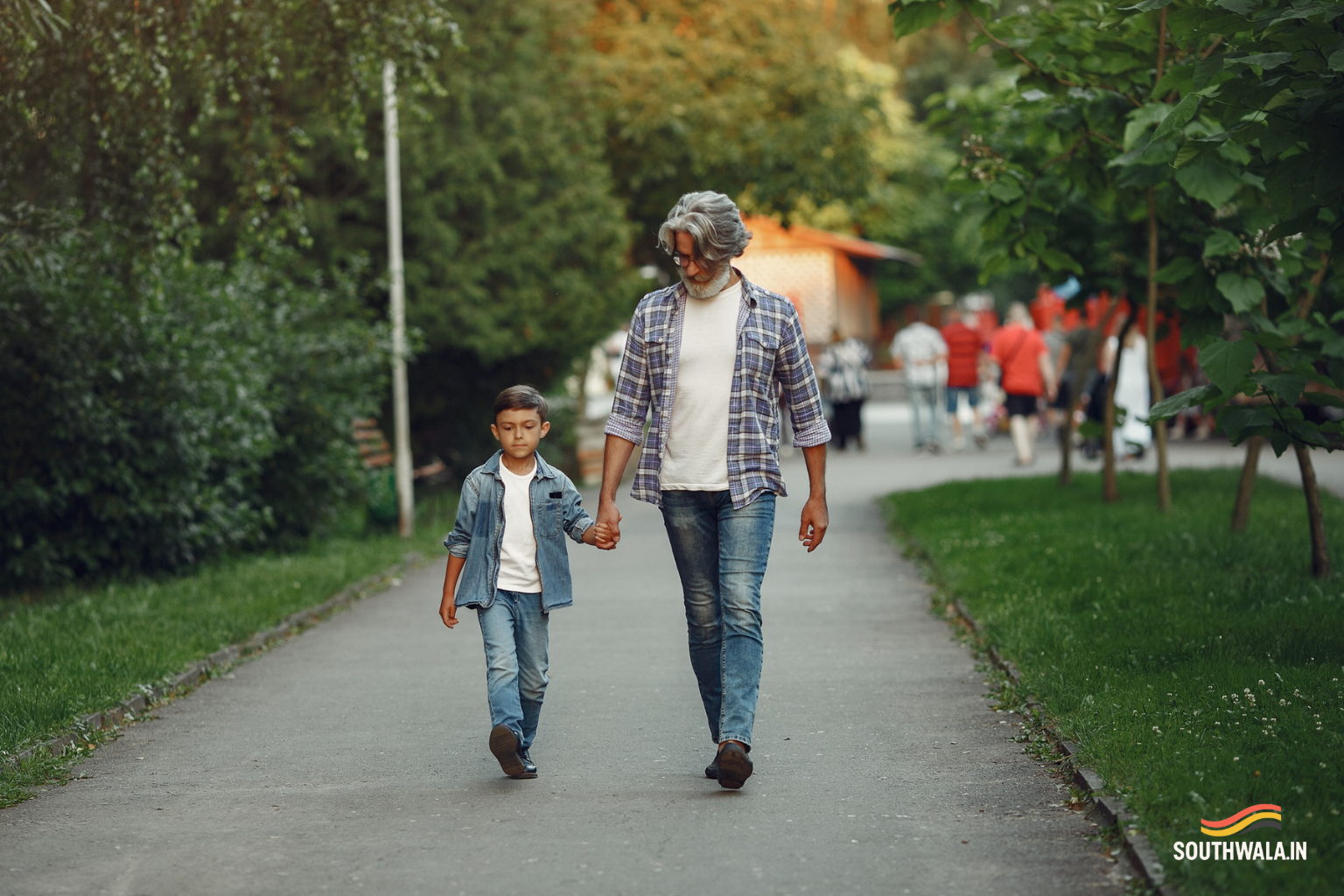
- In Indian families, parenting is rarely a two-person job.
- Grandparents play a central role in raising children, offering emotional support, cultural grounding, and practical guidance.
- Even as modern parents balance demanding careers, nuclear family set-ups, and fast-paced lifestyles, the presence of grandparents continues to shape childhood experiences in powerful ways.
- Rather than being a traditional leftover from the past, grandparents act as a bridge between emotional wisdom and modern parenting challenges.

In Indian families, parenting is rarely a two-person job. Grandparents play a central role in raising children, offering emotional support, cultural grounding, and practical guidance. Even as modern parents balance demanding careers, nuclear family set-ups, and fast-paced lifestyles, the presence of grandparents continues to shape childhood experiences in powerful ways. Rather than being a traditional leftover from the past, grandparents act as a bridge between emotional wisdom and modern parenting challenges.
The Emotional Stability They Bring
Children today grow up surrounded by screens, technology, and academic pressure. Grandparents provide emotional cushioning and calmness that parents often struggle to offer due to work stress. Their slower pace, patience, and unconditional attention help children feel secure and understood.
Research in developmental psychology shows that children who share strong bonds with grandparents display higher emotional resilience, better self-confidence, and stronger social behavior. Their presence creates a safe emotional environment where children feel loved without conditions or performance expectations.
The Cultural Transmission Role
Indian culture has always placed importance on family history, traditions, festivals, prayers, and values. Grandparents act as the custodians of this heritage. They teach children about language, customs, rituals, folk stories, ethics, and respect.
Through stories about past generations and experiences, children learn empathy, discipline, and a sense of identity. In a rapidly globalizing society, grandparents protect cultural roots while allowing children to adapt to modern surroundings. They ensure that emotional intelligence grows alongside academic and personal success.
Practical Support for Working Parents
Modern families often struggle to balance work schedules and parenting demands. Grandparents step in as reliable caregivers, reducing dependence on daycare and hired help. Their experience enables them to handle illness, school routines, and emotional conflicts with maturity that younger parents may not yet possess.
This support allows parents to focus on careers without guilt, knowing that their children are in safe and loving hands. In many households, the presence of grandparents directly influences the quality of family life and reduces stress, burnout, and parenting anxiety.
Balancing Traditional Wisdom with Modern Science
Modern parenting is filled with information overload through books, internet advice, and expert opinions. Grandparents bring lived experience that is practical and time-tested. They know that children do not need perfection but consistency, patience, and affection.
Their old-style parenting values, such as community bonding, outdoor play, physical activities, and practical learning, often complement modern parents’ academic and skill-based goals. While occasional disagreements occur between generations, healthy families use these differences to build balanced perspectives rather than conflict.
Teaching Life Lessons Beyond Academics
Parents often focus on performance marks, achievements, and competition. Grandparents focus on character, humility, kindness, respect, responsibility, and inner strength. They understand that childhood shapes adulthood and that values remain long after skills fade.
Their stories of struggle and survival teach children gratitude and emotional toughness. Grandparents demonstrate stability and commitment through day-to-day actions, giving children real role models rather than celebrity ideals.
The Future Role of Grandparents in an Evolving Society
Even as urbanization and migration separate families, many parents consciously choose to stay connected with grandparents through video calls, vacations, and shared living. The role of grandparents is shifting from authority figures of the past to emotional guides and cultural protectors for the future.
Rather than being seen as old-fashioned, they are becoming emotional anchors in a world of instability, noise, and speed. Modern parenting succeeds best when it embraces the strengths of both generations.
FAQs
1. Why do children feel emotionally safe with grandparents
Grandparents offer unconditional affection and patient listening, making children feel supported without pressure or expectations.
2. Why is the presence of grandparents helpful for working parents
They provide reliable care and reduce parental stress, allowing families to balance work and home more smoothly.
3. Why do grandparents influence cultural and moral values
They preserve traditions, stories, and life lessons that teach children identity, respect, and emotional intelligence.
4. Why can multigenerational parenting be healthier
It blends traditional wisdom with modern perspectives, giving children more balanced support and guidance.
5. Why do modern families still depend on grandparents despite lifestyle changes
Emotional and practical support from grandparents cannot be replaced by technology, daycare, or professional help.
Author


Discover more from Southwala
Subscribe to get the latest posts sent to your email.

