Southwala Shorts
- If you have ever noticed how quickly a child picks up new words from cartoons, songs, or friends, you might wonder how they do it...
- Adults often struggle to learn even a few sentences in a new language, while children can become fluent in two or more languages at the...
- This special ability is not magic.
- It is a natural part of how their brains grow and work during the early years of life.

If you have ever noticed how quickly a child picks up new words from cartoons, songs, or friends, you might wonder how they do it so easily. Adults often struggle to learn even a few sentences in a new language, while children can become fluent in two or more languages at the same time. This special ability is not magic. It is a natural part of how their brains grow and work during the early years of life.
The Gift of a Flexible Brain
A child’s brain is like soft clay. Scientists call this neuroplasticity, which means the brain can form new connections quickly. In the early years, the language learning area of the brain is very active. This allows children to copy new sounds, accents, and grammar without much conscious effort. For example, a child living in a bilingual home can speak both languages with perfect pronunciation, something many adults find difficult.
Listening Like a Musician
Children have a special talent for hearing differences in sounds. They can tell the difference between similar words or accents that adults often miss. This sharp listening skill helps them pronounce words correctly and sound more natural. Just like a musician can pick up the right note, kids pick up the right tone and rhythm of a language.
No Fear of Making Mistakes
One of the biggest differences between children and adults in learning a language is confidence. Kids speak freely without worrying if every word is correct. They repeat, try again, and improve naturally. Adults, on the other hand, often hold back until they are sure, which slows the learning process.
Critical Period for Language Learning
Researchers say there is a critical period for learning languages, especially before the age of 7. During this time, the brain is more open to new words and patterns. Learning after this period is still possible, but it takes more effort and practice.
Role of Environment
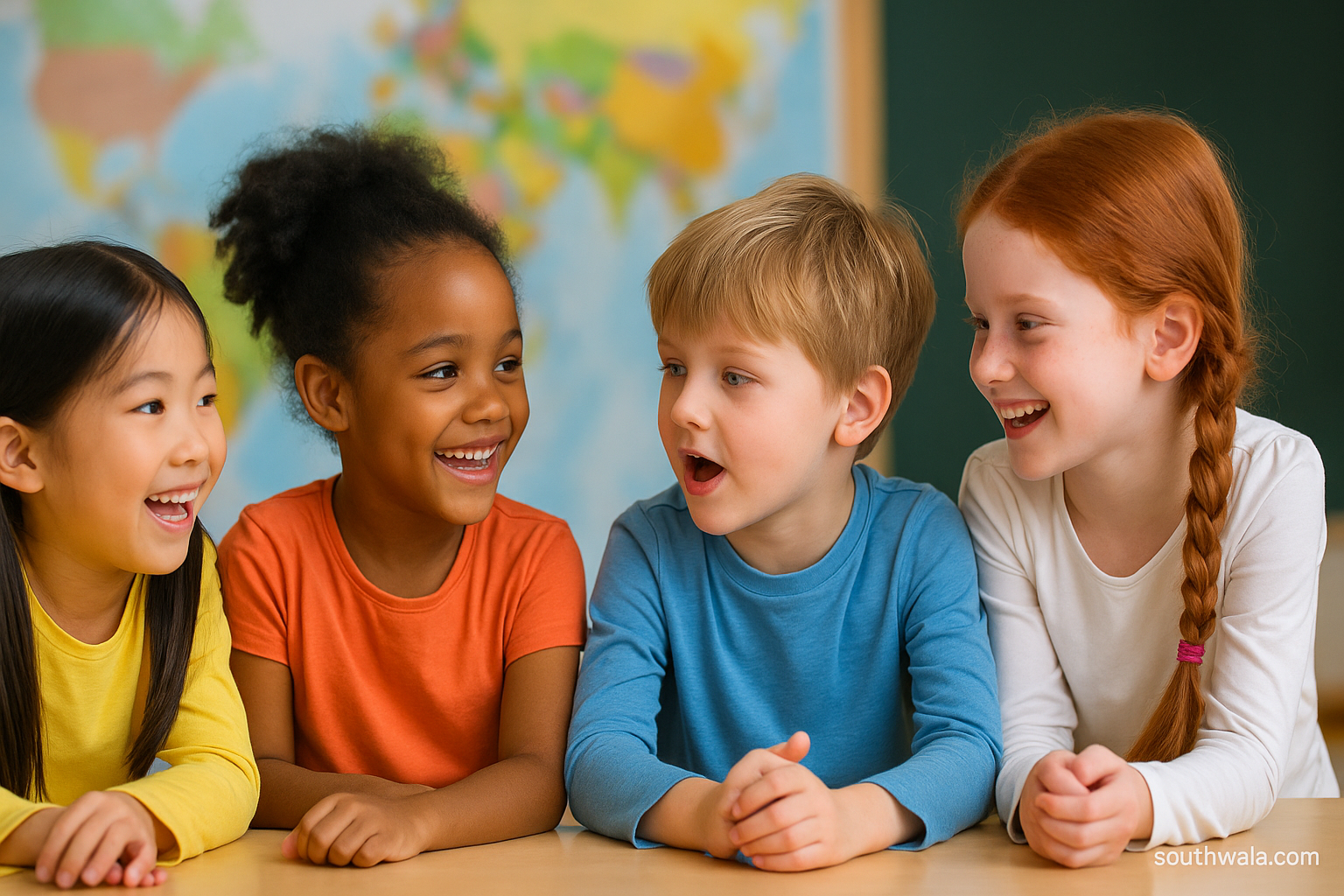
Children learn faster when they hear and use a language regularly. A child who hears two languages at home, sings songs in another language at school, and plays with friends who speak different languages will naturally become multilingual. They do not learn through textbooks at first. They learn by living the language every day.
Can Adults Learn Like Kids?
Adults may not match the speed of kids, but they can still learn successfully. By immersing themselves in the language, practicing daily, and letting go of the fear of mistakes, adults can achieve fluency. The key is to copy the curiosity and openness of children.
Lessons for Parents
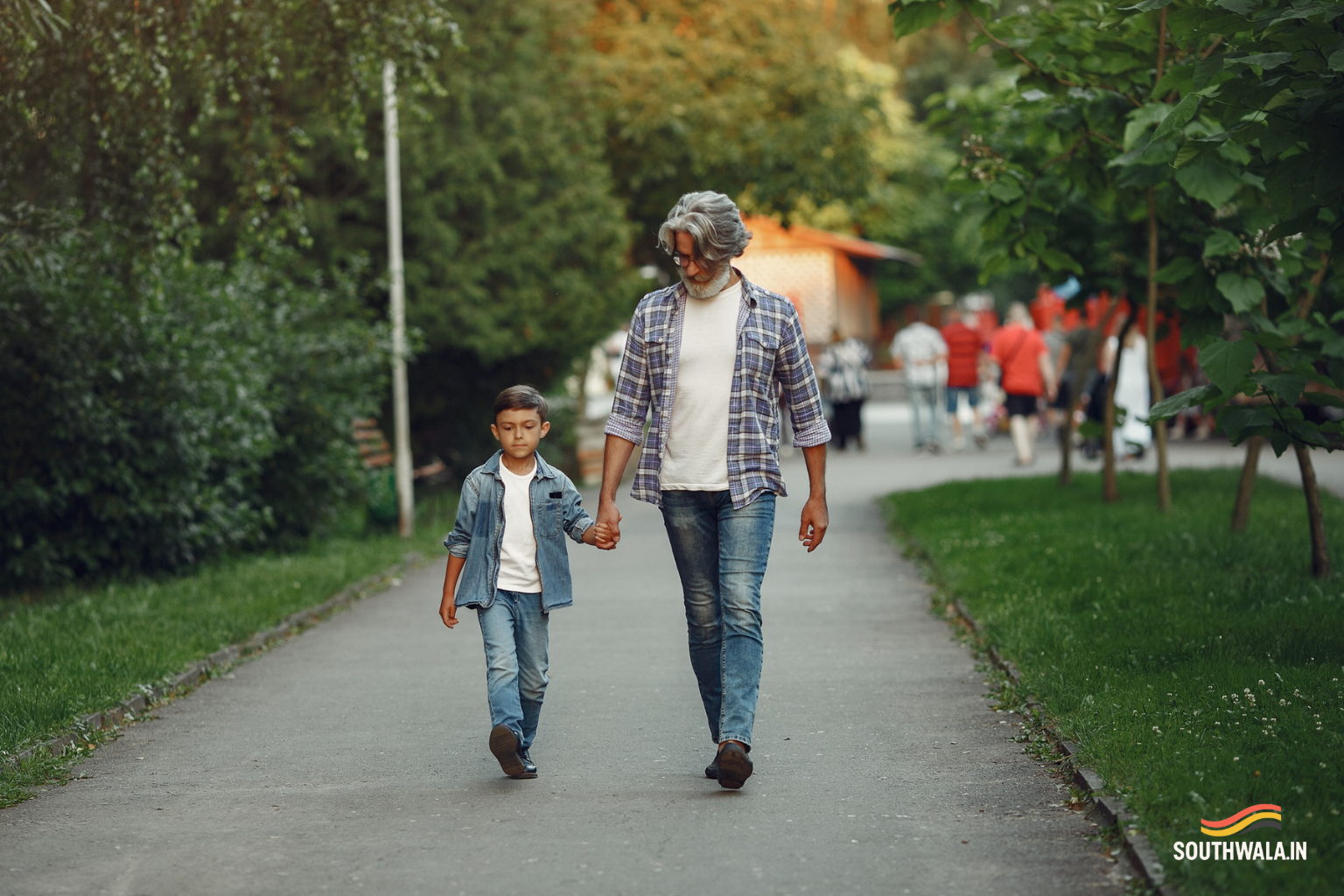
If you want your child to learn a language, start early. Speak to them in that language at home, read storybooks aloud, and encourage them to watch educational shows or listen to songs in that language. Make it part of daily life instead of a strict lesson, and they will pick it up naturally.
FAQs
1. At what age do kids learn languages the fastest?
Before the age of 7, children learn and remember languages most easily.
2. Can a child learn more than two languages?
Yes, as long as they hear and use them often.
3. Why do some kids forget a language they learned early?
If they stop using it, the brain slowly forgets the patterns and words.
4. Can adults learn languages quickly?
Yes, with daily practice, immersion, and confidence.
5. How can parents make language learning fun?
Through stories, songs, games, and daily conversation.
Author


Discover more from Southwala
Subscribe to get the latest posts sent to your email.