Southwala Shorts
- Depression isn’t just about “feeling low” for a day or two.
- It’s a real mental health condition that affects how you think, feel, and function.
- Many people don’t even realize they’re dealing with it they brush it off as laziness, mood swings, or “just stress.”
- If the feeling of being sad or empty hangs around for weeks (not just after a bad day), it could be a sign of depression.

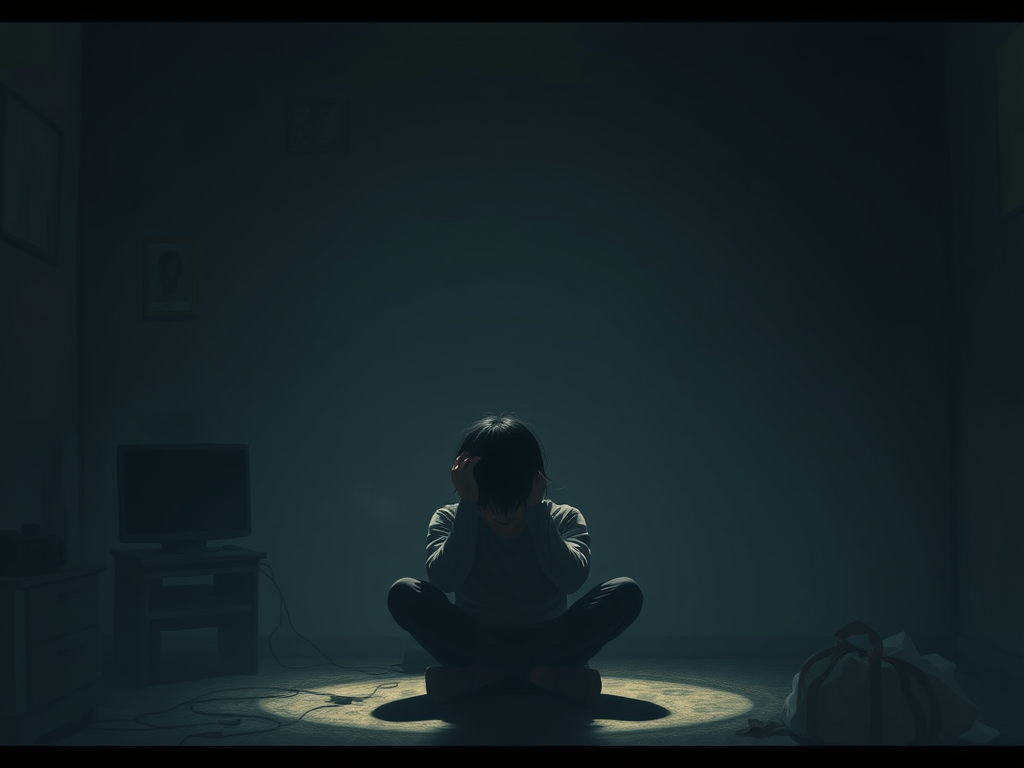
Depression isn’t just about “feeling low” for a day or two. It’s a real mental health condition that affects how you think, feel, and function. The tough part? Many people don’t even realize they’re dealing with it they brush it off as laziness, mood swings, or “just stress.”
Persistent Sadness or Emptiness
If the feeling of being sad or empty hangs around for weeks (not just after a bad day), it could be a sign of depression. It’s not just moodiness; it’s a heavy weight that doesn’t lift.
Loss of Interest in Activities
Remember when gaming, hanging out, or even your favorite food made you happy? Depression steals that spark. It makes things you once loved feel boring or pointless.
Fatigue or Lack of Energy
Depression isn’t just in your head it hits your body too. Constant tiredness, even after sleeping enough, is a major red flag. It feels like your energy bar is always stuck on red.
Changes in Appetite and Sleep
Some people lose appetite, some overeat. Some can’t sleep, while others oversleep. Any extreme change in these daily rhythms could be linked to depression.
Difficulty Concentrating
Depression messes with your focus. School, work, or even small daily tasks feel harder because your brain is constantly foggy.
Beyond the Basics: Other Signs to Watch
- Irritability – Snapping at people more than usual.
- Feelings of worthlessness or guilt – Beating yourself up for no reason.
- Withdrawal – Avoiding friends, family, and social situations.
- Physical pain – Headaches, stomach aches, or body pain without a clear cause.
Depression isn’t weakness. It’s not something you can just “snap out of.” It’s a medical condition that needs care, like diabetes or a broken bone. And the good news? With support, therapy, and sometimes medication, it is treatable.
FAQs
1. How do I know if it’s depression or just stress?
Stress usually comes from specific problems and goes away when solved. Depression lingers, even when life looks “fine” from the outside.
2. Can depression happen to teens and young adults too?
Yes, totally. In fact, Gen Z faces high levels of depression due to academic pressure, social media, and uncertainty about the future.
3. Can physical symptoms be part of depression?
Absolutely. Body pain, digestive issues, and constant fatigue are common. Depression affects both mind and body.
4. Is it okay to talk to friends about it?
Yes. Talking helps. Sharing what you’re going through can reduce the burden. But professional help (like a therapist) is key for proper treatment.
5. What should I do if I think I’m depressed?
Reach out. Start with someone you trust, then look into counseling or therapy. Early help makes recovery much smoother.
Author


Discover more from Southwala
Subscribe to get the latest posts sent to your email.