Southwala Shorts
- The Indian judiciary works at three main levels District Courts, High Courts, and the Supreme Court.
- Each case begins in the lower courts and may move upward through appeals.
- The journey of a case depends on its complexity, the number of parties involved, and the workload of the court.
- Civil matters include disputes over property, contracts, family issues, and money recovery.

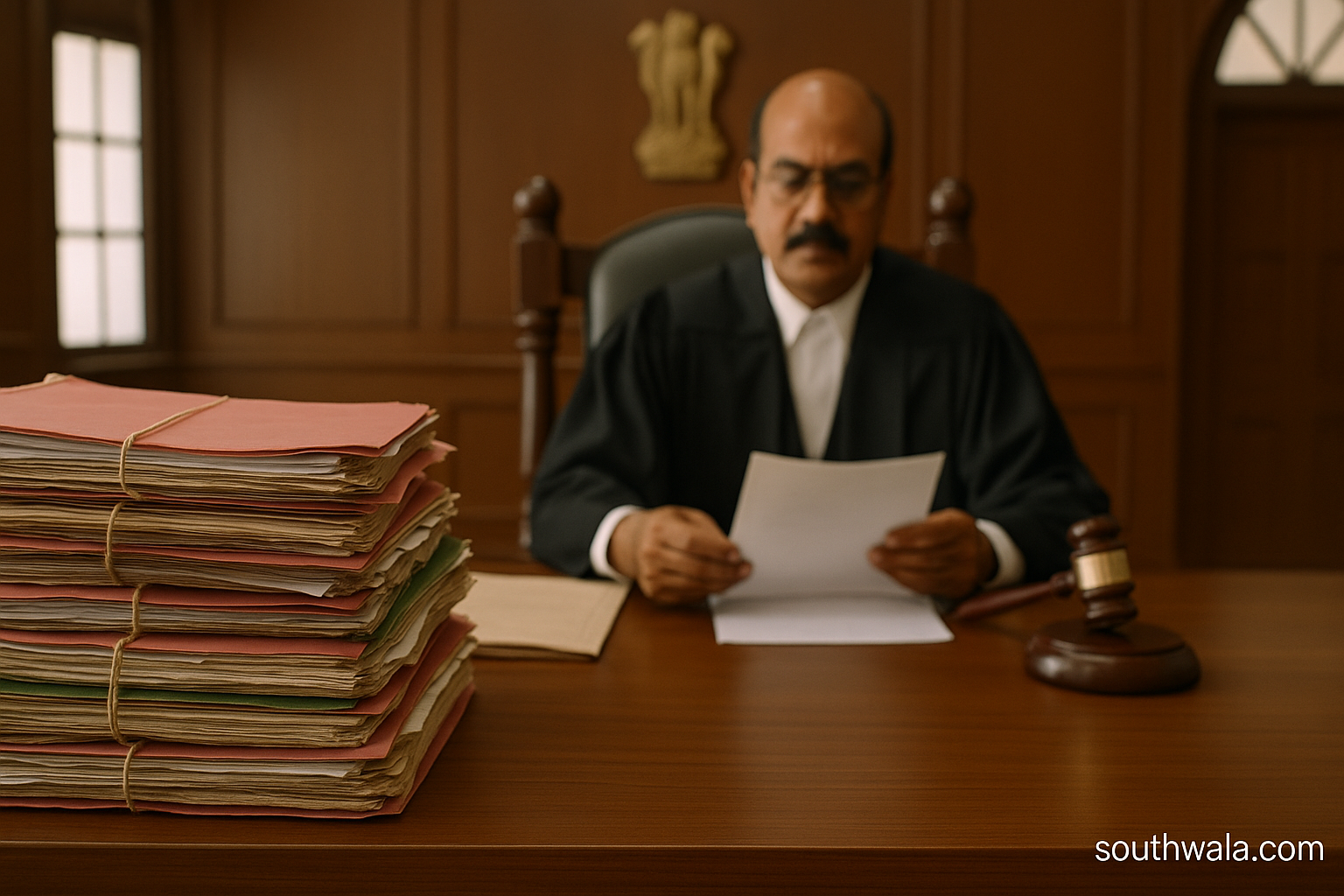
The Indian judiciary works at three main levels District Courts, High Courts, and the Supreme Court. Each case begins in the lower courts and may move upward through appeals. The journey of a case depends on its complexity, the number of parties involved, and the workload of the court.
Civil Cases and Their Timelines
Civil matters include disputes over property, contracts, family issues, and money recovery. In theory, such cases should be completed in one to three years. However, in practice, many civil suits last between five to ten years. For example, a property dispute in Delhi may see several adjournments due to witnesses, document verification, and appeals
Criminal Trials and Delays
Criminal cases, such as theft, assault, or murder, are supposed to be heard quickly since they involve personal liberty. The Code of Criminal Procedure requires trials to proceed without delay. Still, serious cases like homicide or corruption may take five to fifteen years due to investigation reports, forensic evidence, and long witness examinations.
Factors That Affect the Speed of Cases
- Pending workload: India has over four crore pending cases across courts.
- Adjournments: Lawyers or parties often seek new dates, which pushes hearings further.
- Appeals: A case decided in the District Court may continue in the High Court and then reach the Supreme Court.
- Infrastructure limits: Shortage of judges, staff, and digital systems slow down trials.
Examples from Real Cases
- A cheque bounce case under Section 138 of the Negotiable Instruments Act is meant to finish in six months but can often extend to three years.
- Matrimonial disputes in Family Courts may take one to two years if settled, but if contested, they may stretch for five years.
- High-profile criminal cases, like scams or political trials, can run for decades because of multiple appeals.
Steps Taken to Reduce Delays
The judiciary has introduced fast track courts, evening courts, and online hearings to cut delays. Digital filing and e courts are helping reduce paperwork. Lok Adalats also play an important role in resolving smaller disputes quickly through compromise.
FAQs
1. Why do cases take so long in Indian courts?
Because of pending workload, frequent adjournments, and lengthy procedures.
2. Are criminal cases decided faster than civil ones?
Usually, yes. Criminal cases are treated with priority, but serious matters may still take years.
3. Can a case end in one hearing?
Yes, if both parties agree in settlement or in simple traffic challan cases, but this is rare.
4. What is the average time for a case in India?
On average, civil cases may take 5 to 10 years, while criminal trials may take 3 to 15 years depending on seriousness.
5. What can speed up a case?
Fast-track courts, mediation, compromise, and avoiding unnecessary adjournments can make a case move faster.
Author


Discover more from Southwala
Subscribe to get the latest posts sent to your email.