Southwala Shorts
- Live-in relationships have become increasingly common in India as social attitudes shift and young adults prioritise choice, compatibility, and independence.
- Yet the legal system has struggled to keep pace with this cultural change.
- Unlike marriage, live-in partnerships do not follow a single law.
- Courts have created protections through judgments to ensure basic rights, dignity, and safety.

Live-in relationships have become increasingly common in India as social attitudes shift and young adults prioritise choice, compatibility, and independence. Yet the legal system has struggled to keep pace with this cultural change. Unlike marriage, live-in partnerships do not follow a single law. Courts have created protections through judgments to ensure basic rights, dignity, and safety. Understanding these rights is important for anyone choosing this form of relationship.
How Indian Law Views Live-in Relationships
India does not have a dedicated law for live-in relationships. Instead, courts treat them as partnerships between consenting adults. The Supreme Court has repeatedly stated that two adults living together is not a crime. It is a valid personal choice.
These relationships are recognised under the idea of “relationships like marriage.” If a couple lives together for a significant period, shares responsibilities, and behaves like a married couple, the court may treat the relationship as similar to marriage for legal protection.
Protection Under the Domestic Violence Act
One of the strongest legal safeguards for live-in partners comes from the Protection of Women from Domestic Violence Act. This law protects women who face emotional, physical, financial, or mental abuse inside a household.
The Act covers women in live-in relationships if:
• both partners are adults
• the relationship is stable and long-term
• they present themselves as partners in daily life
This means a woman can seek protection, residence rights, and financial support even without being legally married.
Rights of Women in Live-in Relationships
Women in live-in partnerships have access to important protections created through progressive court rulings.
• They can file complaints if subjected to violence or harassment.
• They may claim maintenance if the relationship resembles a marriage.
• They cannot be evicted suddenly if they have lived long-term in the shared home.
• Courts provide safety orders and restraining orders when needed.
These rights protect women from abandonment, exploitation, or emotional abuse.
Rights of Children Born in Live-in Relationships
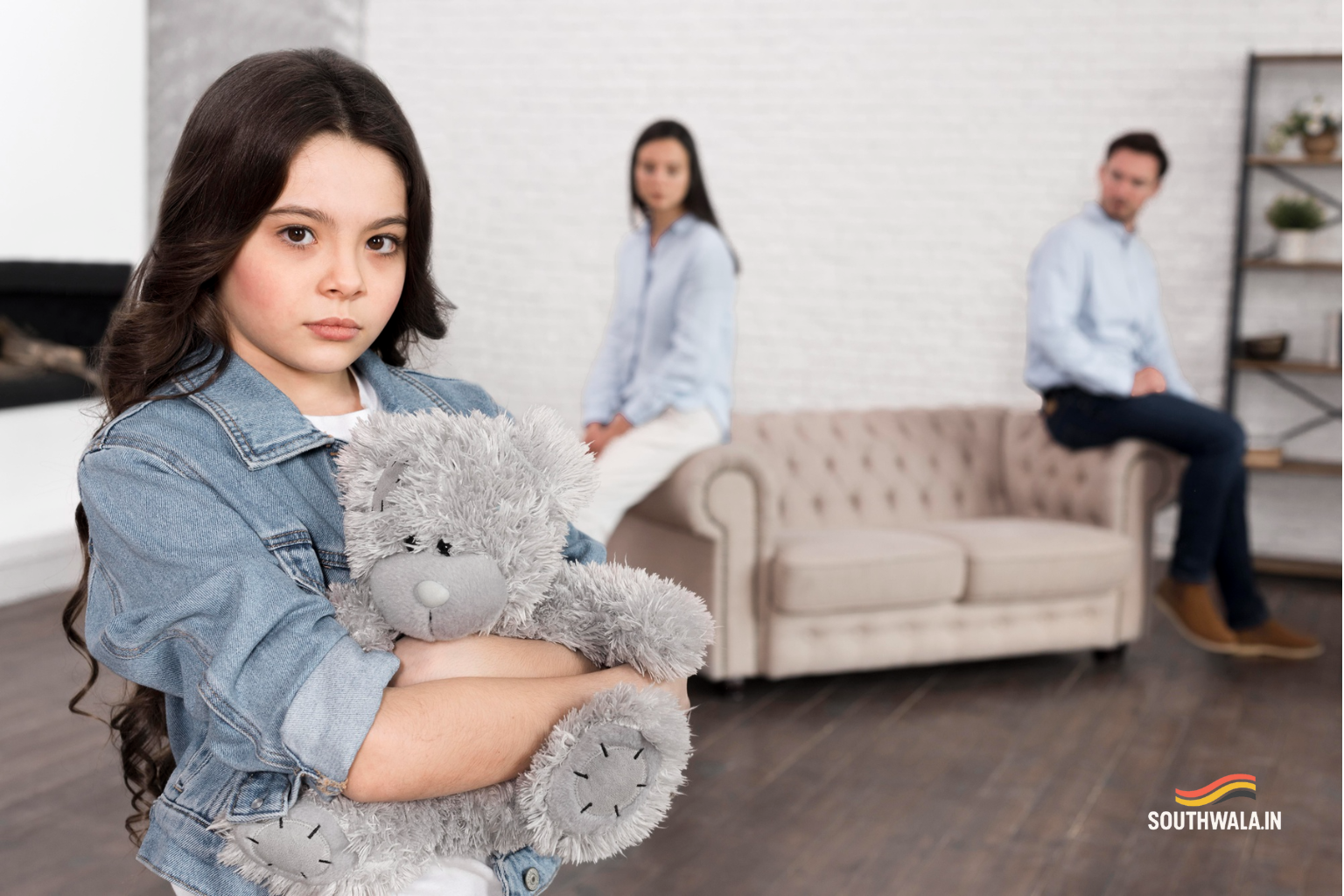
The Supreme Court has made it clear that children born in live-in relationships are legitimate. This gives them the same rights as children born inside marriage.
These rights include:
• legal identity
• inheritance rights from both parents
• protection under child welfare laws
This judgment helps prevent social stigma and ensures the child’s welfare is preserved.
Property and Inheritance Issues
Live-in relationships do not automatically create property rights between partners. A partner cannot claim a share in the other’s personal property unless it was bought together, contributed equally, or formally gifted.
Jointly purchased property follows normal property laws based on documented ownership.
Inheritance laws still favour legal spouses. Since live-in partners are not recognised as legal heirs, they cannot claim intestate inheritance unless a valid will exists.
Separation and Ending the Relationship
Since live-in relationships do not involve legal marriage, there is no formal divorce process. However, separation can still involve legal issues, especially when:
• there are children
• joint assets are involved
• abuse or abandonment has occurred
If the woman were financially dependent, she may request maintenance through the Domestic Violence Act. Courts evaluate the relationship’s duration and stability before granting support.
Social Reality and Safety Concerns
Live-in couples, especially young couples, often face social pressure, family disapproval, and housing discrimination. Many landlords refuse to rent homes to unmarried partners. In extreme cases, couples face threats or harassment from families.
Courts have offered protection to consenting adults who fear harm from their families. Police instructions in many states require officers to ensure safety for such couples.
The Future of Legal Recognition
India continues to debate whether live-in relationships should receive clearer legal status. Some experts argue for a civil partnership law to outline rights related to property, separation, and maintenance. Until then, judgments remain the main source of protection. The law’s direction is clear: adults have the freedom to choose their relationships, and safety cannot be denied on moral grounds.
FAQs
1. Why do courts protect women in live-in relationships
Because safety and dignity apply to all women, and the Domestic Violence Act covers partners living in relationships similar to marriage.
2. Why are children from live-in relationships given full legal status
To ensure they do not suffer discrimination and receive the same rights as any other child.
3. Why do live-in partners not get automatic inheritance rights
Because inheritance laws recognise only legal spouses unless a valid will specifies otherwise.
4. Why does housing discrimination still affect live-in couples
Because social attitudes remain conservative, and many landlords fear judgment or conflict with neighbours.
5. Why is legal clarity important for live-in partners
It helps protect financial rights, safety, and responsibilities, especially when separation, children, or abuse are involved.
Author


Discover more from Southwala
Subscribe to get the latest posts sent to your email.