
Southwala Shorts
- Uber is preparing for a major shift in urban transportation with its plan to launch a fully autonomous robotaxi service in San Francisco by 2026.
- The project brings together three big names in technology and mobility, like Uber, Lucid Motors, and Nuro, marking a new phase in the race to...
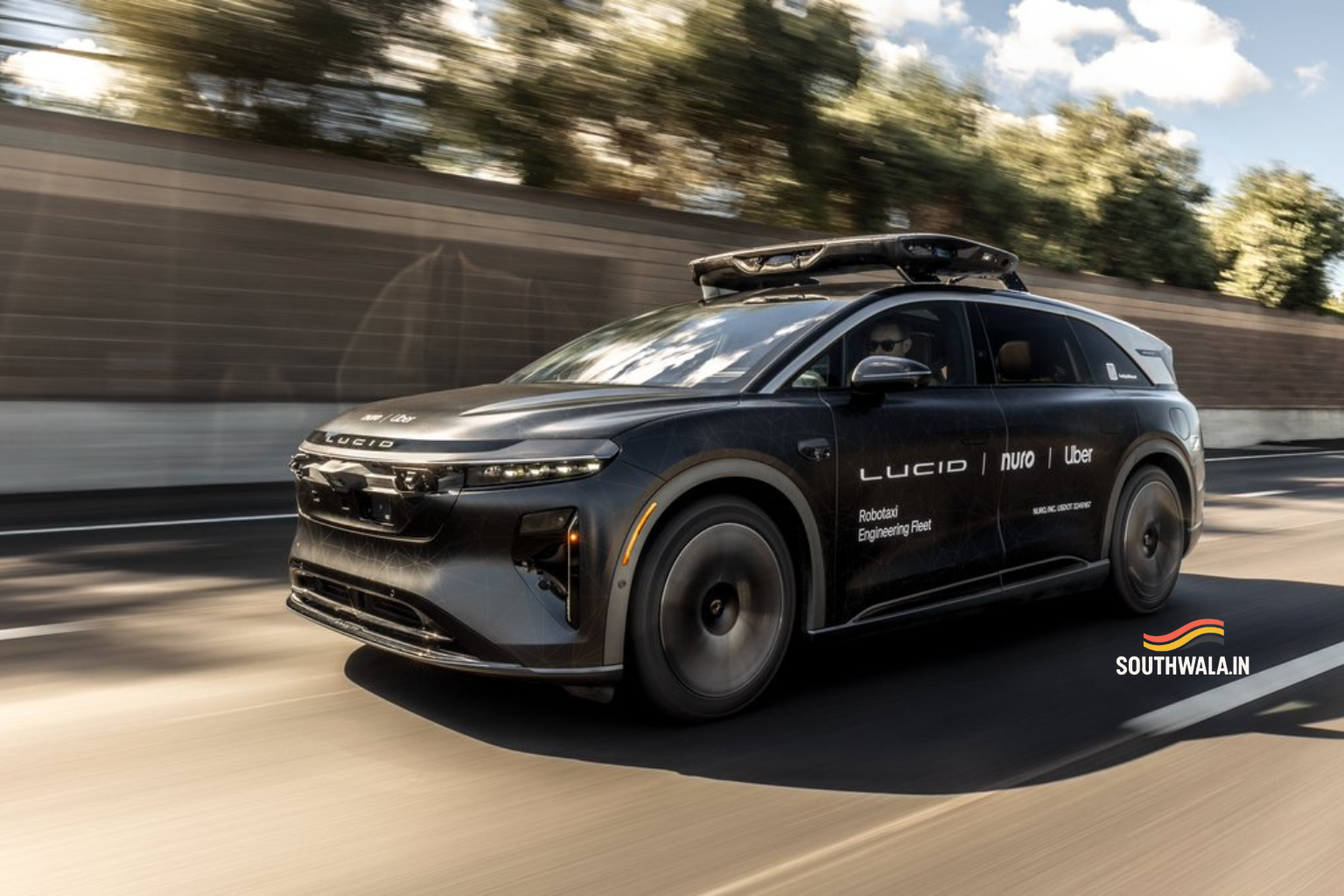
- The partnership will see Lucid’s Gravity SUVs equipped with Nuro’s advanced self-driving technology.
- Over the next few months, more than 100 of these vehicles will hit the roads as part of an engineering test fleet.

Uber is preparing for a major shift in urban transportation with its plan to launch a fully autonomous robotaxi service in San Francisco by 2026. The project brings together three big names in technology and mobility, like Uber, Lucid Motors, and Nuro, marking a new phase in the race to dominate driverless ride-sharing.
The partnership will see Lucid’s Gravity SUVs equipped with Nuro’s advanced self-driving technology. Over the next few months, more than 100 of these vehicles will hit the roads as part of an engineering test fleet. Uber’s goal is to create a large-scale, reliable robotaxi network that can safely operate without human drivers.
However, before the service becomes reality, Uber must navigate a complex regulatory path. The company needs two critical approvals like one from California’s Department of Motor Vehicles for driverless operation, and another from the California Public Utilities Commission to allow passenger rides. These steps will determine whether Uber can officially join the limited group of companies already offering autonomous rides in the city.
At present, Waymo, a subsidiary of Google’s parent company Alphabet, is leading the robotaxi market in San Francisco. Uber’s entry is expected to intensify competition and push innovation further in the space. The company’s long-term ambition is bold to deploy around 20,000 autonomous vehicles across the United States within six years.
Uber calls San Francisco “the birthplace of transformative technology,” and the choice is strategic. The city’s dense traffic, tech-savvy population, and existing infrastructure make it an ideal testing ground for autonomous vehicles.
The move represents more than just a technological upgrade for Uber. It signals a fundamental shift in its business model from a platform that connects drivers and passengers to one that manages fleets of self-driving vehicles.
If successful, Uber’s robotaxi venture could redefine the economics of urban mobility, lower ride costs, and reduce emissions. But challenges remain like safety, regulation, and public trust. For now, Uber’s bet on autonomy is both a test of innovation and a race against time, with 2026 set to reveal whether the future of ride-sharing will truly be driverless.
Author


Discover more from Southwala
Subscribe to get the latest posts sent to your email.

