
Southwala Shorts
- A new congressional redistricting plan in Texas has sparked debate over the future of Latino political representation, particularly in Houston’s 29th Congressional District, currently held...
- Under the new map approved by the Republican-led Texas Legislature, the share of Latino eligible voters in Garcia’s district will drop from 64 percent to...
- Advocates and political observers say the change could weaken the ability of Latino communities to elect a candidate of their choice, a right protected under...
- Congresswoman Sylvia Garcia has strongly criticized the mid-decade redrawing, calling it an “attempt to silence Latino voters in one of the most diverse cities in...

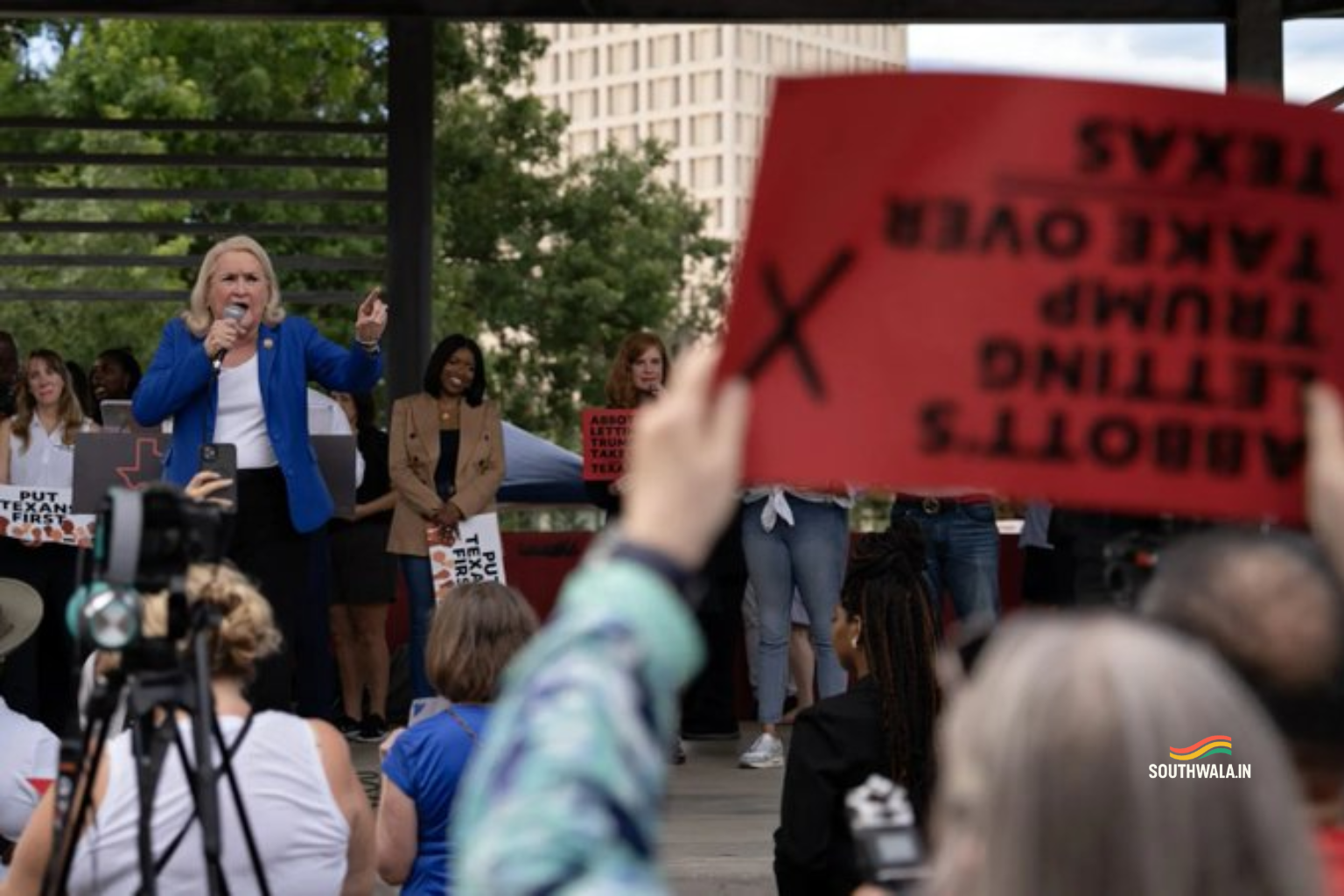
A new congressional redistricting plan in Texas has sparked debate over the future of Latino political representation, particularly in Houston’s 29th Congressional District, currently held by Democratic Representative Sylvia Garcia.
Under the new map approved by the Republican-led Texas Legislature, the share of Latino eligible voters in Garcia’s district will drop from 64 percent to about 43 percent, while Black eligible voters will increase from 18 percent to around 33 percent. Advocates and political observers say the change could weaken the ability of Latino communities to elect a candidate of their choice, a right protected under the Voting Rights Act.
Congresswoman Sylvia Garcia has strongly criticized the mid-decade redrawing, calling it an “attempt to silence Latino voters in one of the most diverse cities in America.” She warned that the change could leave Harris County home to over two million Hispanic residents without consistent Latino representation in Congress.
“This map takes away the power of Latino families who’ve built their lives in Houston’s East End and hands it to political interests that don’t represent them,” Garcia said in a statement.
Texas Republicans have defended the new district boundaries, arguing the maps were drawn without consideration of race and are designed to reflect population growth and fair representation. However, civil rights groups argue that the pattern of changes reducing Hispanic-majority districts while strengthening Republican-leaning areas points to racial and partisan gerrymandering.
Political analysts say the redistricting could reshape the Texas electoral map ahead of the 2026 congressional elections, affecting both representation and voter turnout.
“This shift isn’t just about one district,” said a Houston political analyst. “It’s about how demographic power in Texas is being redistributed.”
Advocacy groups, including LULAC and MALDEF are now assessing whether to challenge the new map in court, citing violations of minority voting rights.
For Texas growing Latino population, the battle over redistricting has once again become a fight not just for votes but for visibility and voice.
Author


Discover more from Southwala
Subscribe to get the latest posts sent to your email.

