
Southwala Shorts
- The Supreme Court of India has stepped into the heated debate over stray dogs in Delhi – NCR, ordering local authorities to remove them from...
- The move, aimed at protecting public safety, has triggered strong reactions from animal rights advocates, legal experts, and residents alike.
- On August 11, Justices J.B.
- Mahadevan directed civic bodies in Delhi, Noida, Gurugram, Ghaziabad, and Faridabad to round up all stray dogs and shift them to shelter homes.

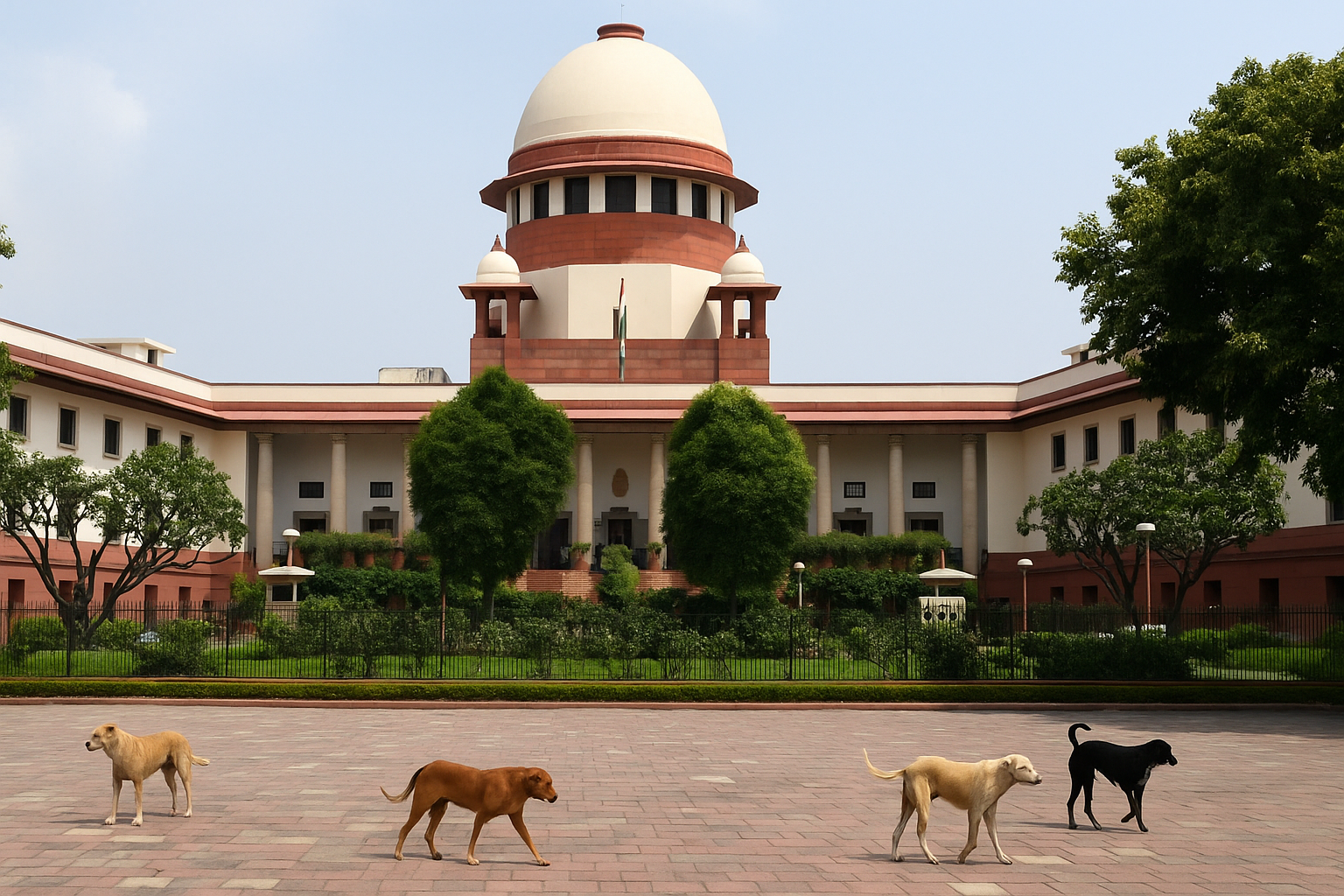
The Supreme Court of India has stepped into the heated debate over stray dogs in Delhi – NCR, ordering local authorities to remove them from the streets and place them in shelters within eight weeks. The move, aimed at protecting public safety, has triggered strong reactions from animal rights advocates, legal experts, and residents alike.
On August 11, Justices J.B. Pardiwala and R. Mahadevan directed civic bodies in Delhi, Noida, Gurugram, Ghaziabad, and Faridabad to round up all stray dogs and shift them to shelter homes. The order made it clear that this was not just a suggestion but a strict directive, warning that anyone obstructing the process could face legal action.
The court also laid out specific requirements for these shelters. They must have facilities for sterilisation, vaccination, deworming, and overall care of the animals. CCTV cameras are to be installed to ensure proper monitoring and to prevent dogs from being released back into their original neighbourhoods.
Why the Order Raised Eyebrows
Animal welfare groups and some legal voices quickly pushed back. Critics say the mass relocation is both logistically difficult and ethically questionable, especially given the shortage of quality shelters in the region. They argue that the court’s decision disregards the Animal Birth Control (ABC) Rules, which had been the standard approach for managing stray populations through sterilisation and vaccination without removal from their habitat.
Kapil Sibal and Abhishek Manu Singhvi, representing opposing petitioners, stressed that a sudden, large-scale removal could lead to overcrowded shelters and poor living conditions for the animals.
Public Safety vs. Human Treatment
Supporters of the order point to the growing number of dog-bite incidents and the deadly risk of rabies. Solicitor General Tushar Mehta cited alarming statistics to underline the urgency, saying that public safety must come before sentiment.
The conflict boils down to a core question should the priority be immediate safety for humans or a long-term, humane solution for animals?
Case Moved to Larger Bench
Amid the uproar, the Supreme Court reassigned the case to a three-judge bench led by Justices Vikram Nath, Sandeep Mehta, and N.V. Anjaria. This panel will now hear all sides, reconsider the original order, and possibly decide whether the ABC Rules should be reinstated or revised.
What Happens Next
For now, civic bodies have been told to prepare for sheltering thousands of dogs, while activists are rallying for a more balanced solution. Whatever the final ruling, it is clear this case will set a precedent for how India’s cities handle the challenge of coexisting with stray animals.
Author


Discover more from Southwala
Subscribe to get the latest posts sent to your email.

