
Southwala Shorts
- Nepal is witnessing one of its most widespread youth-led uprisings in recent years.
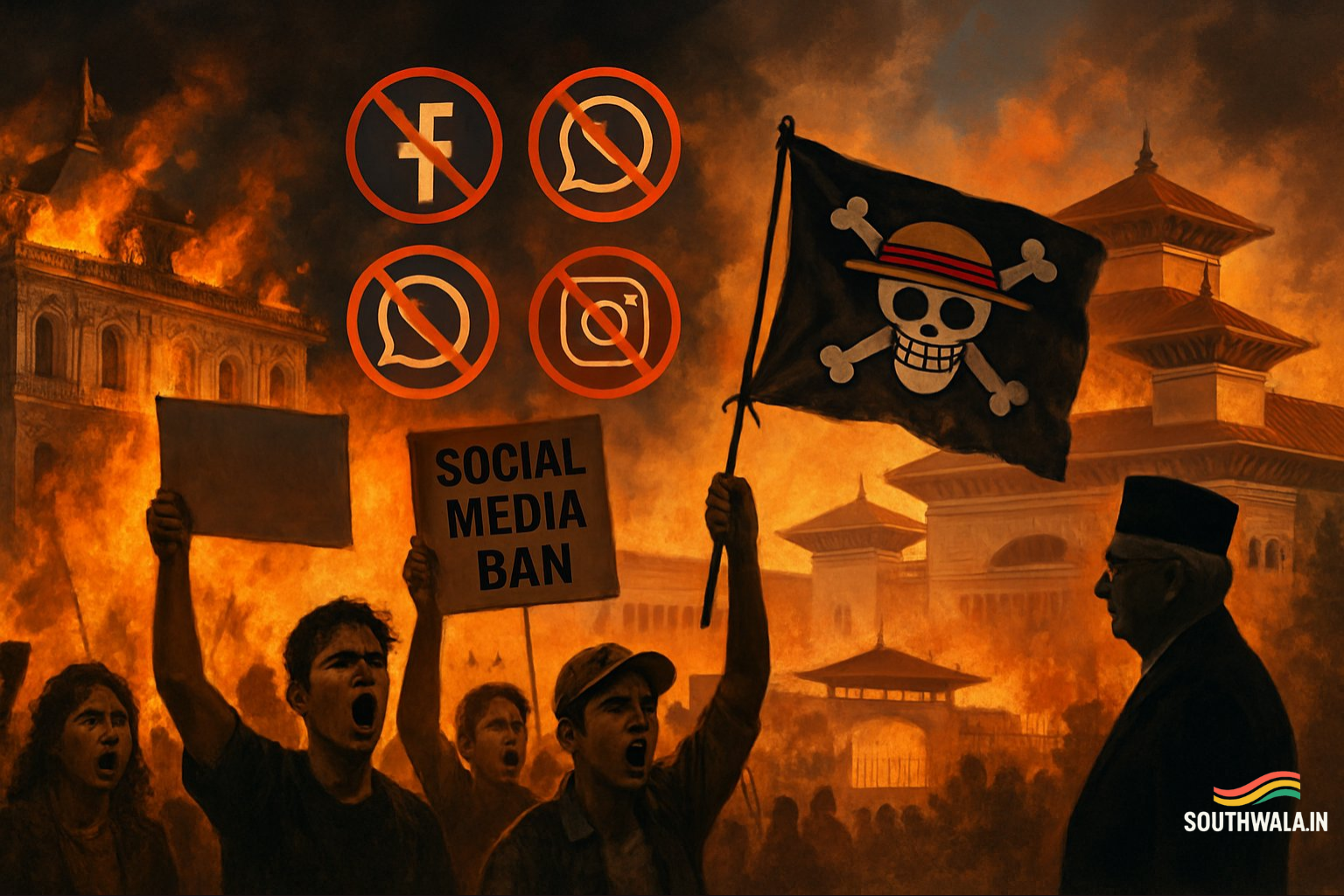
- The protests, driven largely by young citizens, began after the government imposed a nationwide ban on social media platforms.
- The ban, seen as a curb on freedom of expression, added to already growing frustration over corruption, nepotism, and mismanagement in the country.
- Thousands of young people have taken to the streets in Kathmandu and other major cities, demanding accountability and systemic reforms.

Nepal is witnessing one of its most widespread youth-led uprisings in recent years. The protests, driven largely by young citizens, began after the government imposed a nationwide ban on social media platforms. The ban, seen as a curb on freedom of expression, added to already growing frustration over corruption, nepotism, and mismanagement in the country.
Thousands of young people have taken to the streets in Kathmandu and other major cities, demanding accountability and systemic reforms. Demonstrators say they are fighting for transparency and a future free from political favoritism.
Central to the protests is the rise of the “Nepo Kid” campaign. The phrase, popularized by youth activists online, refers to politicians’ children who inherit influence and power without merit. Protesters argue that Nepal’s politics has become dominated by family ties, where opportunities are reserved for the well-connected.
The slogan has resonated strongly with Gen Z, who see themselves as sidelined in their own country despite having education, skills, and aspirations for change. Placards, graffiti, and chants across the protests highlight this frustration, making “Nepo Kid” a rallying cry for reform.
Alongside nepotism, protesters point to years of corruption scandals, poor governance, and lack of employment opportunities. Many youths believe the political class has failed to deliver basic services or create conditions for economic growth.
The protests have drawn wide participation, with students, professionals, and social activists joining hands. While demonstrations have occasionally turned confrontational, they remain largely peaceful in their demand for structural changes.
Observers note that the scale and intensity of these protests mark a historic moment in Nepal’s democratic journey. The younger generation, empowered by education and technology, is openly challenging old political practices and demanding a more merit-based and transparent system.
Whether or not the immediate demands are addressed, the “Nepo Kid” movement has already changed the political conversation in Nepal. It signals the growing determination of Gen Z to take an active role in shaping the nation’s future.
Author


Discover more from Southwala
Subscribe to get the latest posts sent to your email.

