
Southwala Shorts
- Nepal’s Health Ministry has confirmed that at least 25 people have died in this week’s protests against corruption and restrictions on social media.
- The demonstrations, led largely by young citizens, have spread across Kathmandu and other major cities.
- Hundreds of people have also been injured in the clashes.
- The unrest began after the government temporarily banned several popular social media platforms, including Facebook, Instagram, and X, while also facing criticism over corruption and...

Nepal’s Health Ministry has confirmed that at least 25 people have died in this week’s protests against corruption and restrictions on social media. The demonstrations, led largely by young citizens, have spread across Kathmandu and other major cities. Hundreds of people have also been injured in the clashes.
The unrest began after the government temporarily banned several popular social media platforms, including Facebook, Instagram, and X, while also facing criticism over corruption and unemployment. The move angered young citizens, many of whom rely on these platforms for communication and jobs.
Facing growing public anger, Prime Minister K.P. Sharma Oli announced his resignation. The government also lifted the ban on social media platforms in an attempt to calm the situation. Despite these steps, the protests have continued in several parts of the country.
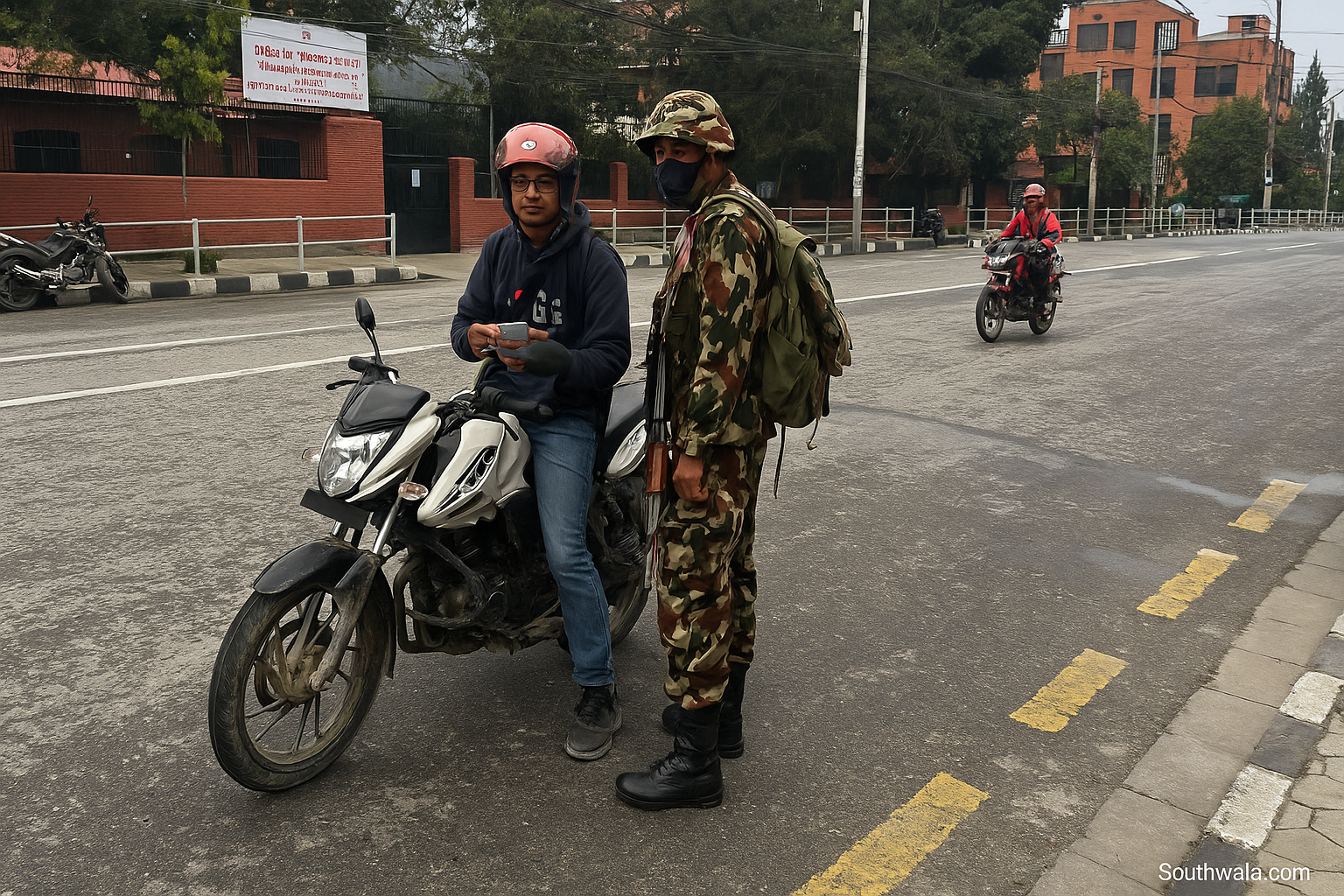
The government has deployed the Nepal Army to restore order. Soldiers are patrolling Kathmandu and other key areas. An indefinite curfew has been imposed in the capital, and similar restrictions are in place in Lalitpur and nearby towns. Authorities say the measures are necessary to prevent further violence.
The protests have led to incidents of arson, looting, and destruction of property. Reports indicate that hotels and businesses were set on fire, and foreign tourists, including many from India, have been caught up in the unrest. Security forces have been accused of using excessive force, while protesters have been blamed for mob attacks.
The demonstrations reflect deeper frustration among Nepal’s youth. With unemployment above 20% and rising complaints of corruption in government offices, the protests have become more than a reaction to the social media ban. Protesters are demanding accountability, transparency, and reforms to improve governance.
Nepal’s political stability remains fragile. While the army continues to enforce curfews, there are calls for dialogue between protest leaders and authorities. Observers say that unless the government addresses the root causes of corruption and lack of opportunities, the unrest may resurface.
Author


Discover more from Southwala
Subscribe to get the latest posts sent to your email.

