
Southwala Shorts
- The Israeli embassy in the Netherlands has dismissed its honorary consul in Maastricht, Benoit Wesly, after he publicly accused Israel of starving Palestinians and committing...
- Wesly, a well-known Jewish businessman from a family of Holocaust survivors, had been serving in the honorary role since 2009 under an appointment signed by...
- Israeli officials confirmed that Wesly was urged to step down due to his advanced age and limited activity.
- However, his outspoken remarks in interviews with Dutch media were said to have intensified the decision.

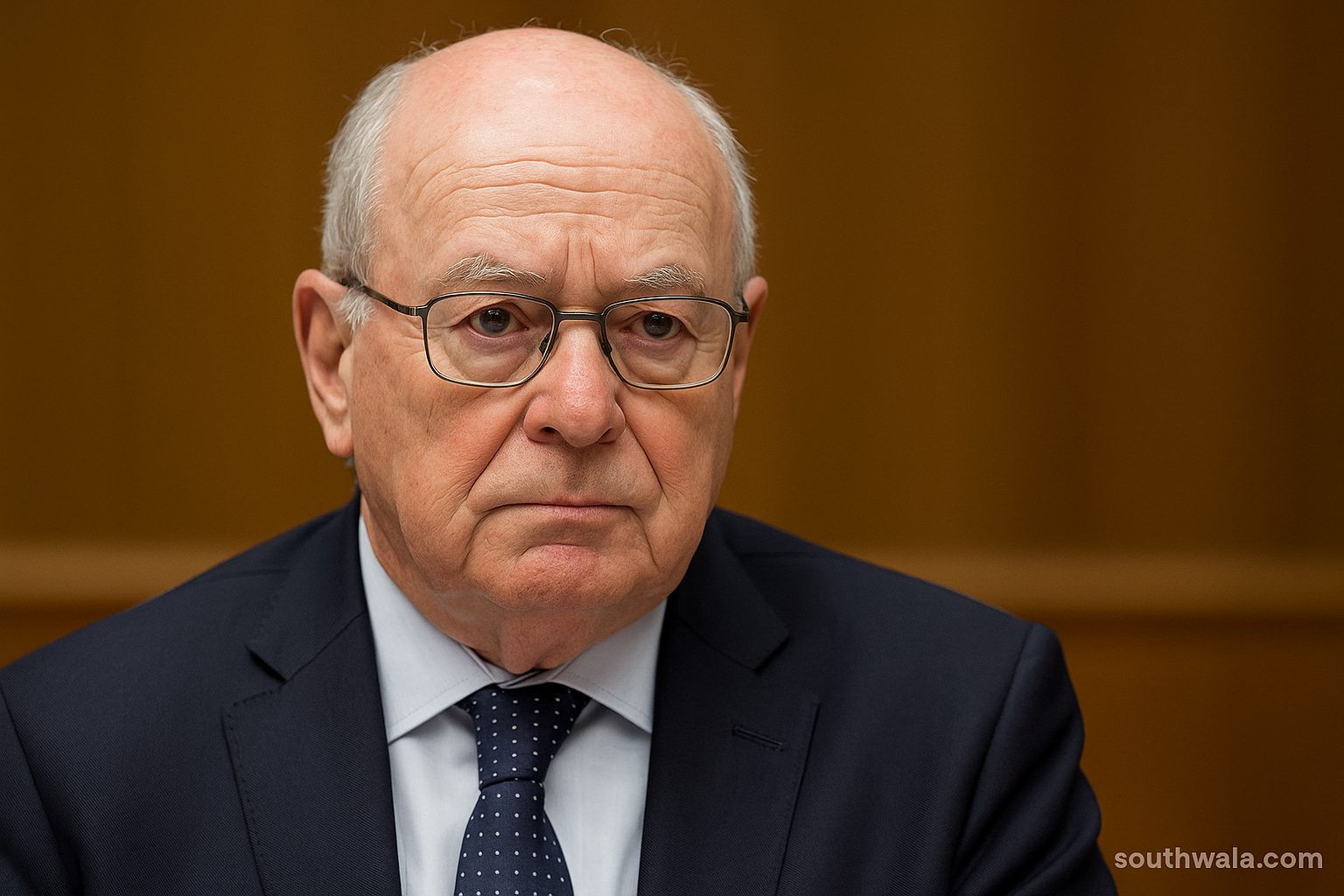
The Israeli embassy in the Netherlands has dismissed its honorary consul in Maastricht, Benoit Wesly, after he publicly accused Israel of starving Palestinians and committing genocide in Gaza. Wesly, a well-known Jewish businessman from a family of Holocaust survivors, had been serving in the honorary role since 2009 under an appointment signed by former Israeli president Shimon Peres.
Israeli officials confirmed that Wesly was urged to step down due to his advanced age and limited activity. However, his outspoken remarks in interviews with Dutch media were said to have intensified the decision. One official stated, “Here is a man over 80 years old who is inactive and speaks out only against Israel. We received complaints from senior figures in the Jewish community about his remarks and decided to part ways with him.”
Wesly’s dismissal followed a series of interviews in which he condemned Israel’s military campaign in Gaza. He described the actions as genocide and accused Israel of deliberately starving Palestinians during the conflict. His comments aligned with international concerns voiced by rights groups and humanitarian organizations about the worsening crisis in Gaza.
While honorary consul positions are largely symbolic and unpaid, they carry diplomatic significance as representatives of a country abroad. Wesly’s long service and personal history gave weight to his words, but they also drew sharp criticism from Israeli authorities who viewed his remarks as unacceptable.
The move highlights the deep divisions over Israel’s conduct in Gaza and the growing international debate around accountability for the humanitarian crisis. Israel has faced mounting criticism from human rights organizations and the United Nations over the scale of civilian suffering, particularly shortages of food and medical supplies.
By dismissing Wesly, Israel has drawn a firm line against internal and external voices challenging its policies. For many observers, the case underscores how even symbolic diplomatic roles are now caught in the wider struggle over narratives surrounding the war in Gaza.
Author


Discover more from Southwala
Subscribe to get the latest posts sent to your email.

