
Southwala Shorts
- Houston, one of the fastest-growing metro areas in the United States, may be entering a period of slowing population growth as new federal immigration restrictions...
- For decades, the city has relied heavily on international migration to fuel its expansion, fill its workforce, and support its diverse cultural identity.
- According to recent demographic analysis, immigration has accounted for nearly half of Greater Houston’s total population growth in recent years, and for Harris County, immigrants...
- But with the Trump administration’s renewed crackdown on immigration, including reduced entry of new migrants and the departure of many who had lived in the...

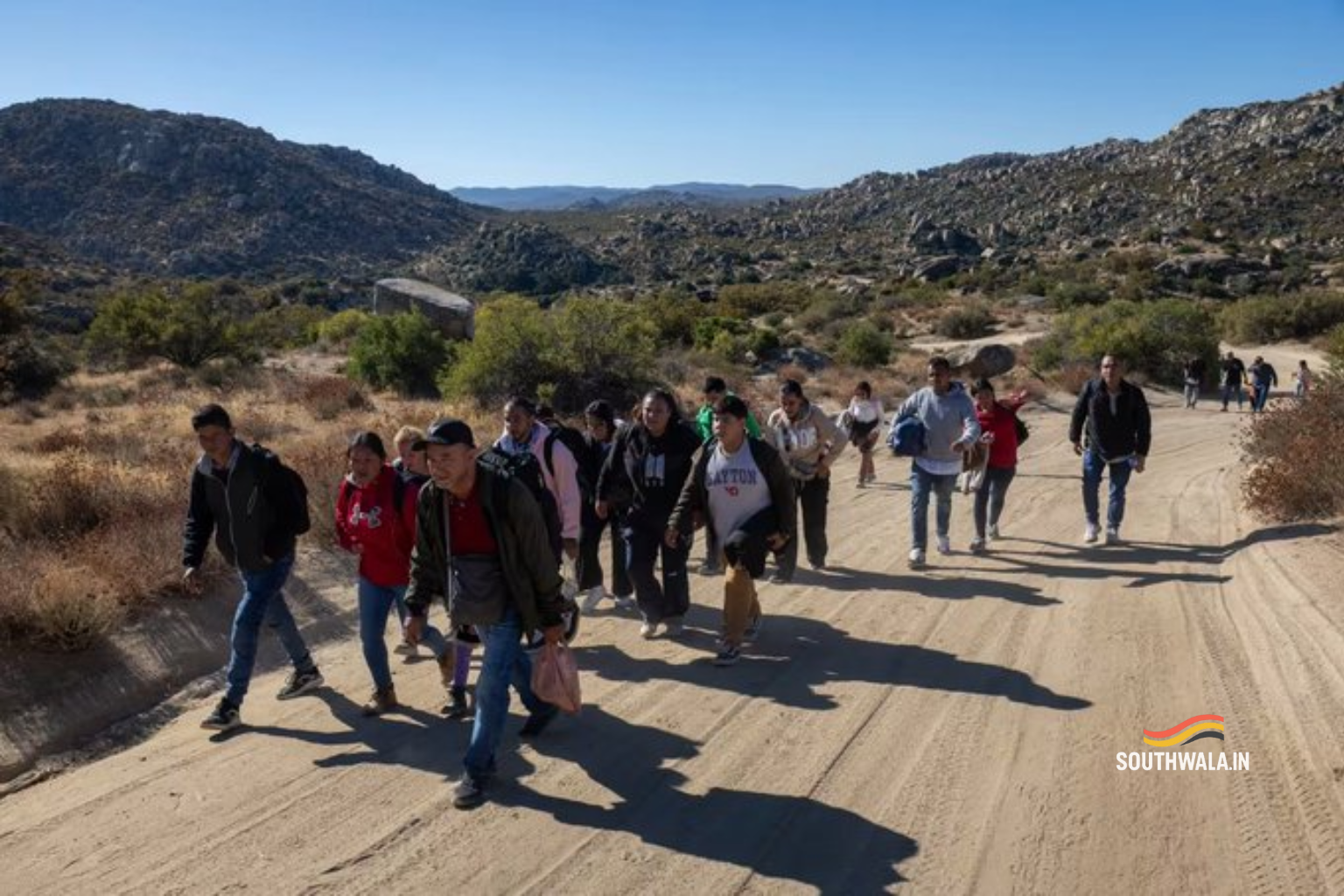
Houston, one of the fastest-growing metro areas in the United States, may be entering a period of slowing population growth as new federal immigration restrictions begin to take effect. For decades, the city has relied heavily on international migration to fuel its expansion, fill its workforce, and support its diverse cultural identity.
According to recent demographic analysis, immigration has accounted for nearly half of Greater Houston’s total population growth in recent years, and for Harris County, immigrants made up almost all the region’s net gains. But with the Trump administration’s renewed crackdown on immigration, including reduced entry of new migrants and the departure of many who had lived in the U.S. for years, experts warn that Houston could see a significant shift in its long-term growth trajectory.
National projections reflect the scale of the shift. The Congressional Budget Office recently lowered its population forecast by more than 5 million people through 2055, citing reduced immigration as a major reason. While Houston planners have not yet adjusted their official growth estimates, many acknowledge that older models built on decades of steady migration may no longer hold.
A slowdown in population growth would have wide-ranging effects across the Houston region. The city’s plans for new housing developments, expanded transportation systems, school construction, and major infrastructure projects were created with the expectation that the population would continue rising at a rapid pace. A sudden change in those trends could leave the region with overbuilt neighborhoods, mismatched school capacity, or long-term shifts in labor availability.
Experts also point to another factor are declining birth rates, both nationally and locally. With fewer young families and fewer children being born, immigration has become a critical piece of Houston’s demographic stability. Without it, the metro area could face the same challenges seen in other cities experiencing slowed growth, including aging populations, labor shortages, and reduced economic dynamism.
For now, analysts say it is too early to gauge the full impact of federal policy changes. But one thing is clear: Houston’s future growth may depend more than ever on how the nation handles immigration in the years ahead.
Author


Discover more from Southwala
Subscribe to get the latest posts sent to your email.

