
Southwala Shorts
- Nepal is facing one of its most serious political crises in recent years as student-led Gen Z protests continue to expand across the country.
- The demonstrations began in response to a government ban on social media but have now evolved into a larger campaign criticizing corruption, nepotism, and mismanagement...
- What started as a pushback against restrictions on online freedom has turned into a mass movement reflecting widespread frustration among young people and the public...
- The immediate trigger for the protests was the government’s decision to ban major social media platforms, a move it said was necessary to curb misinformation.

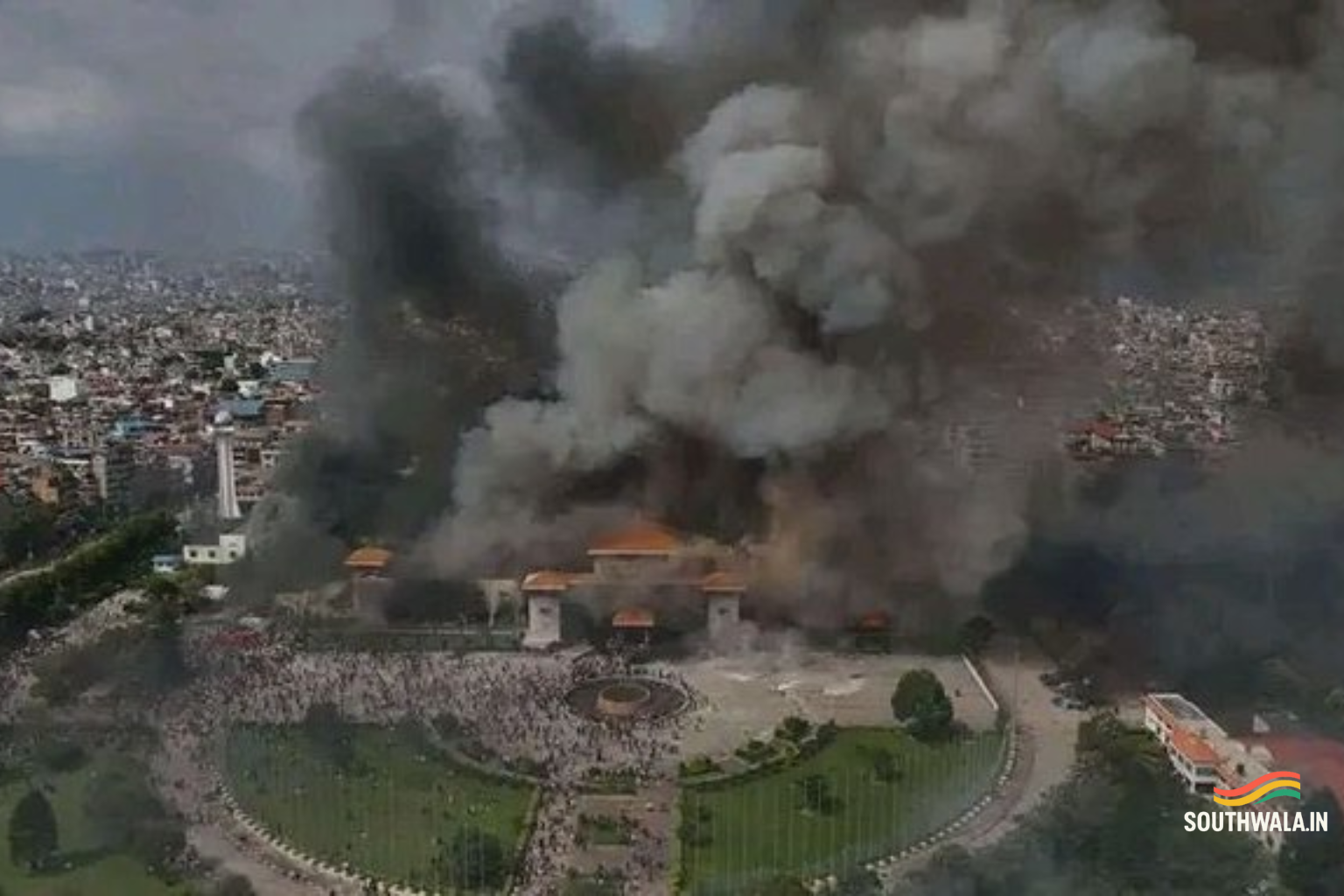
Nepal is facing one of its most serious political crises in recent years as student-led Gen Z protests continue to expand across the country. The demonstrations began in response to a government ban on social media but have now evolved into a larger campaign criticizing corruption, nepotism, and mismanagement under Prime Minister KP Sharma Oli’s government.
What started as a pushback against restrictions on online freedom has turned into a mass movement reflecting widespread frustration among young people and the public at large.
The immediate trigger for the protests was the government’s decision to ban major social media platforms, a move it said was necessary to curb misinformation. Students, however, saw the step as an attack on free speech and digital rights.
For Nepal’s young generation, which relies heavily on online platforms for education, work, and expression, the ban struck a particularly deep chord. Protesters argue that silencing the internet only widens the gap between leaders and citizens.
As the protests spread, they began incorporating broader demands, including an end to corruption, greater accountability in governance, and fair opportunities for young people. Many demonstrators accuse the Oli government of nepotism and ignoring the concerns of ordinary citizens.
Slogans, banners, and online campaigns have increasingly targeted the political elite, with students vowing to continue until their voices are heard.
The scale of the protests has raised serious concerns for the stability of Nepal’s government. With thousands marching in Kathmandu and other cities, police have been deployed in large numbers, and clashes have been reported in some areas.
The unrest reflects not only the power of Nepal’s younger generation but also the depth of public disillusionment with traditional politics. Observers say that even if immediate demands are addressed, the protests have already altered Nepal’s political landscape by putting youth voices and digital rights at the center of national debate.
Author


Discover more from Southwala
Subscribe to get the latest posts sent to your email.

