
Southwala Shorts
- Atlanta Mayor Andre Dickens has officially entered the race for a second term, setting the stage for a competitive nonpartisan contest that could decide the...
- Though the race is officially nonpartisan, Dickens’s Democratic roots and his record as a consensus-builder make him the most recognizable name on the ballot.
- The incumbent faces three challengers are former police officer Kalema Jackson, community activist Eddie Meredith, and business owner Helmut “Love” Domagalski, who is considered more...
- Each contender brings a different perspective, but Dickens’s campaign holds a clear financial and visibility advantage.

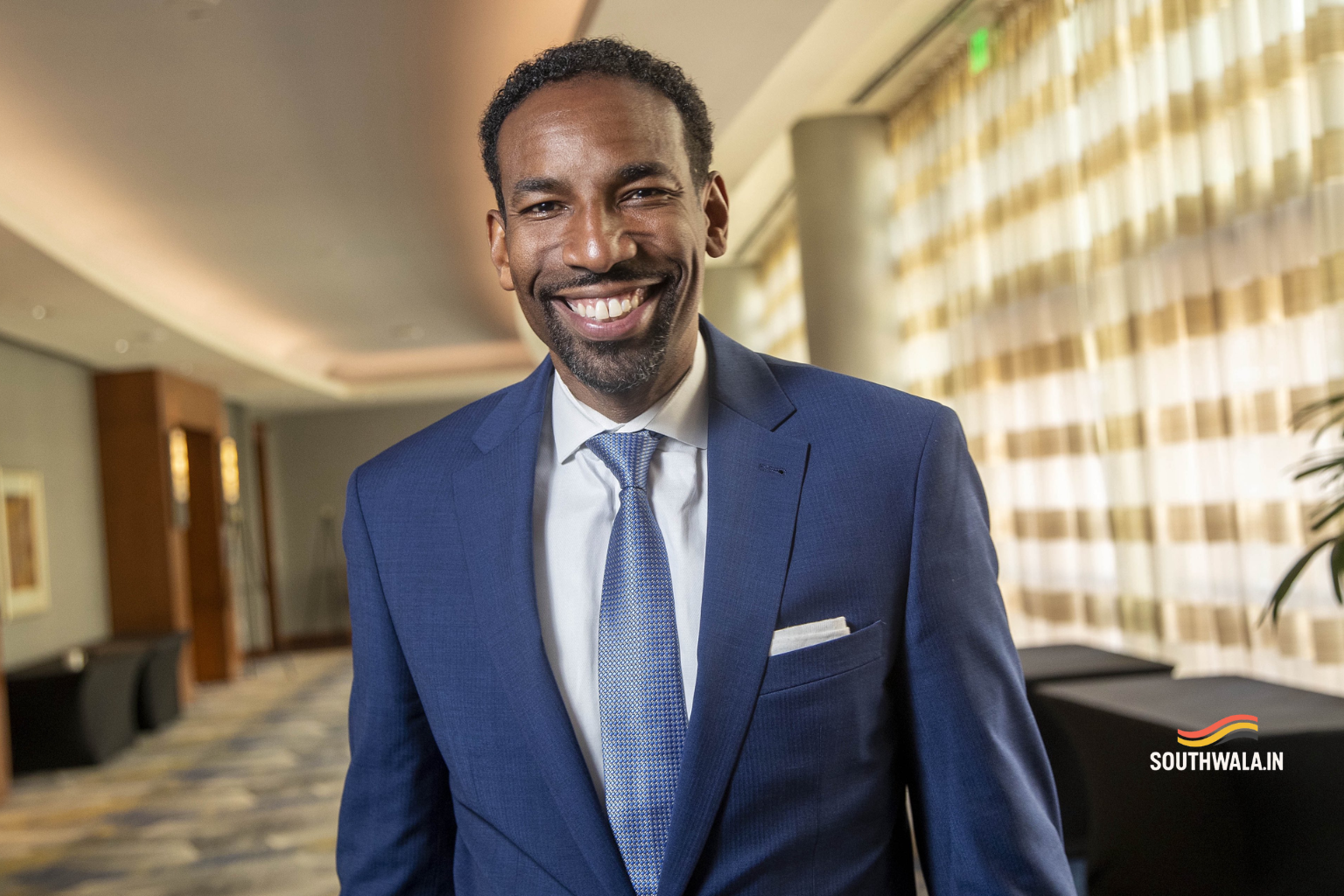
Atlanta Mayor Andre Dickens has officially entered the race for a second term, setting the stage for a competitive nonpartisan contest that could decide the city’s direction for the next four years. Though the race is officially nonpartisan, Dickens’s Democratic roots and his record as a consensus-builder make him the most recognizable name on the ballot.
The incumbent faces three challengers are former police officer Kalema Jackson, community activist Eddie Meredith, and business owner Helmut “Love” Domagalski, who is considered more conservative. Each contender brings a different perspective, but Dickens’s campaign holds a clear financial and visibility advantage.
According to reports, the mayor has spent nearly $350,000 on television and digital advertisements, far surpassing his opponents. His campaign focuses on themes of safety, affordable housing, and economic growth, all areas where Atlanta residents have seen visible developments during his tenure. Dickens has positioned himself as a steady hand guiding Atlanta through its post-pandemic recovery, pointing to progress in infrastructure projects, police reforms, and housing initiatives.
Still, challenges remain. Critics argue that despite improvements, Atlanta continues to struggle with rising housing costs, public safety concerns, and widening economic inequality. Dickens’s ability to balance urban growth with affordability will likely define the election’s tone.
History, however, is on his side. Atlanta mayors seeking a second term have traditionally held strong chances of reelection. But in a city known for its dynamic demographics and active voter base, surprises can emerge. If no candidate wins more than 50 percent of the vote, the election will move to a runoff on December 2, which could tighten the race further.
Beyond city politics, this election represents a broader conversation about urban governance in modern America, how cities balance growth, safety, and equity under public pressure. Dickens’s reelection campaign is not just about keeping his seat; it’s about proving that Atlanta’s leadership can remain progressive yet pragmatic in turbulent times.
As the campaign heats up, Atlanta’s voters are set to decide whether Dickens’s vision of a “One Atlanta” united, growing, and forward-looking deserves four more years at the city’s helm.
Author


Discover more from Southwala
Subscribe to get the latest posts sent to your email.

