Southwala Shorts
- For many, travel means adventure, freedom, and discovery.
- Yet for others, the idea of leaving home brings unease.
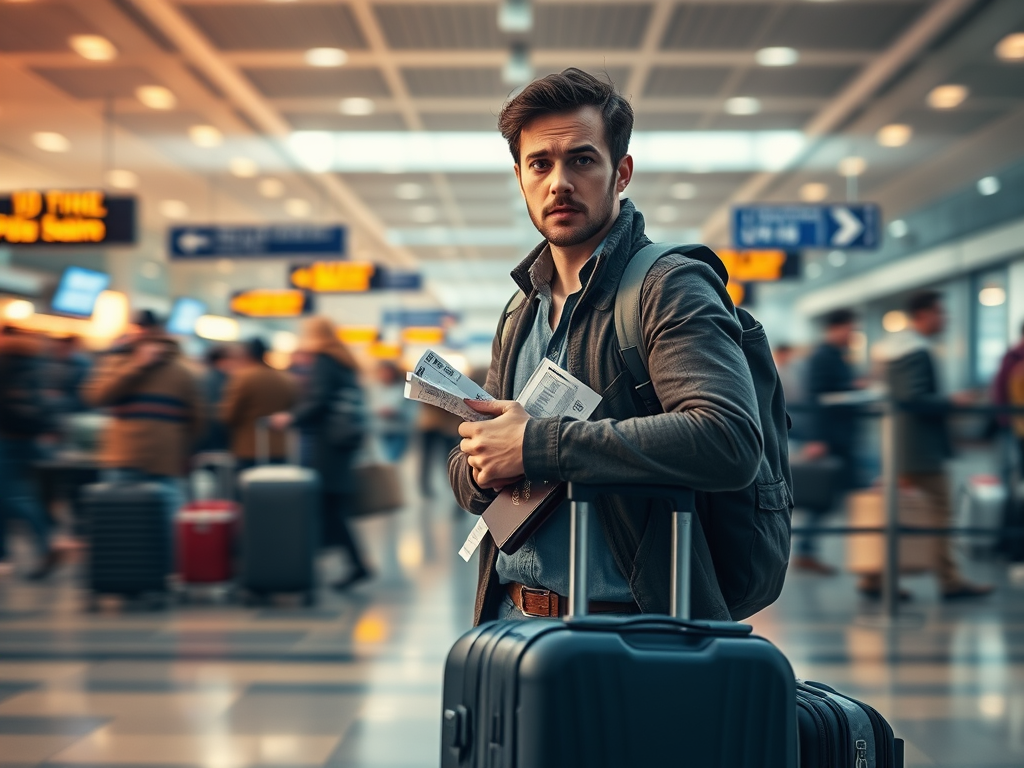
- The excitement of a trip slowly turns into worry, and the mind starts racing.
- The heart beats faster, and the body feels tense long before the journey begins.

For many, travel means adventure, freedom, and discovery. Yet for others, the idea of leaving home brings unease. The excitement of a trip slowly turns into worry, and the mind starts racing. The heart beats faster, and the body feels tense long before the journey begins.
This feeling is known as travel anxiety. It is not a sign of weakness but the mind’s way of reacting to change and uncertainty. Understanding it helps in managing it better.
The Root of Travel Anxiety
Travel anxiety often arises from the fear of losing control. The human brain prefers predictability and familiar surroundings. Travel introduces new environments, uncertain outcomes, and potential disruptions, which make some people feel unsafe or unsettled.
A person who has experienced a stressful journey before, such as a delayed flight or illness abroad, may carry that memory into future travels. The mind starts linking travel with discomfort instead of joy.
The Role of Anticipation and Overthinking
For many people, anxiety begins much earlier than the trip itself. The anticipation of travel creates mental tension. The mind keeps repeating questions like: Did I forget to pack something? Will I miss my flight? Will I feel safe in a new place?
These thoughts keep the body in a constant state of alertness. The stress hormone cortisol rises, causing restlessness and fatigue. Interestingly, most people notice that their anxiety starts to fade once the journey actually begins and they settle into the experience.
Common Triggers of Travel Anxiety
Some triggers are emotional, while others are practical. A few of the most common include:
- Packing pressure: Fear of forgetting essentials or overpacking.
- Fear of flying: Anxiety about turbulence or safety during flights.
- Social discomfort: Nervousness about meeting strangers or adapting to new cultures.
- Health concerns: Fear of illness, food, or hygiene issues in unfamiliar environments.
- Planning fatigue: The mental load of organizing tickets, itineraries, and documents.
Each person’s trigger is unique. A trip that excites one person can make another feel drained or panicked.
The Connection Between Mind and Body
Anxiety is not only a mental state. It affects the body deeply. Heart rate rises, digestion slows, and muscles tighten. Sleep becomes disturbed, and concentration drops.
Psychologists describe this as anticipation without grounding. The mind races into future possibilities while the body remains tense in the present. Without awareness, this disconnect amplifies fear and discomfort.
Healthy Ways to Manage Travel Anxiety
The goal is not to remove anxiety completely but to handle it calmly and prepare the mind to adapt. Some practical methods include:
- Early preparation: Packing and planning ahead reduce last-minute stress.
- Breaking the trip into steps: Focusing on one stage at a time makes travel feel manageable.
- Grounding the body: Deep breathing, light stretching, or short walks help regulate stress.
- Limiting stimulants: Reducing caffeine and negative news keeps the mind calmer.
- Carrying familiar comforts: Music, books, or a travel journal bring a sense of home while on the move.
Even frequent travelers use such rituals to remain centered. Simple habits like listening to a playlist or meditating before departure can make a big difference.
Travel anxiety reveals how deeply people crave stability and control. The unfamiliar can feel threatening, even when it leads to growth and joy. Yet within that fear lies the same energy that fuels curiosity and adventure.
When the focus shifts from the fear of what may go wrong to the excitement of what can be learned, travel becomes more freeing. Each journey builds resilience, trust, and a deeper sense of calm for the next one.
FAQs
Can travel anxiety affect frequent travelers?
Yes, even experienced travelers can feel anxious before trips, especially when visiting unfamiliar places.
Can the body show signs of travel anxiety?
Yes, symptoms like a racing heart, tense muscles, and an upset stomach are common.
Can routines reduce travel-related stress?
Yes, small rituals such as journaling, meditation, or listening to calm music can ease tension.
Can travel anxiety relate to other mental health conditions?
Yes, it can overlap with general anxiety or panic disorders in some individuals.
Can travel feel enjoyable again after dealing with anxiety?
Yes, through gradual exposure and mindful preparation, confidence returns, and travel becomes enjoyable again.
Author


Discover more from Southwala
Subscribe to get the latest posts sent to your email.