Southwala Shorts
- In-Vitro Fertilization (IVF) is one of the most advanced fertility treatments that gives couples a chance to conceive when natural methods do not work.
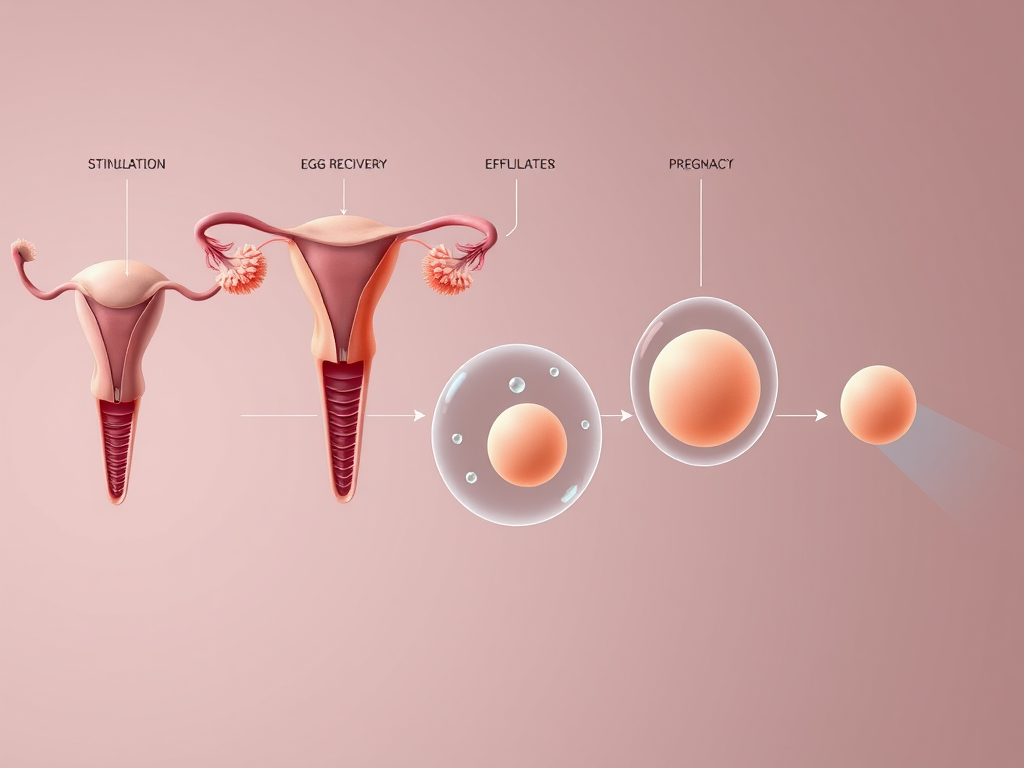
- The process is divided into clear steps, each one designed to prepare the body and maximize the chances of success.
- Understanding these stages helps patients feel informed and confident during treatment.
- The first stage involves stimulating the ovaries with hormonal medicines.

In-Vitro Fertilization (IVF) is one of the most advanced fertility treatments that gives couples a chance to conceive when natural methods do not work. The process is divided into clear steps, each one designed to prepare the body and maximize the chances of success. Understanding these stages helps patients feel informed and confident during treatment.
Ovarian Stimulation
The first stage involves stimulating the ovaries with hormonal medicines.
- Women normally release a single egg in each cycle.
- In IVF, medicines encourage the ovaries to produce multiple mature eggs.
- Regular ultrasounds and blood tests monitor follicle growth to track progress.
This step ensures enough eggs are available for fertilization.
Egg Retrieval
Once the eggs are mature, they are collected from the ovaries.
- The process is called ovum pick-up or egg retrieval.
- It is done using a thin needle under ultrasound guidance.
- A short anesthesia is given to avoid discomfort.
Eggs are immediately sent to the lab for fertilization.
Fertilization in the Lab
Collected eggs are combined with sperm in a controlled lab environment.
- Fertilization may occur naturally or through ICSI (Intracytoplasmic Sperm Injection), where a single sperm is injected into an egg.
- The fertilized egg becomes an embryo.
- Embryos are closely monitored for growth over the next 3 to 5 days.
This is the heart of IVF, where conception takes place outside the body.
Embryo Transfer
Healthy embryos are selected for transfer into the woman’s uterus.
- Usually, one or two embryos are transferred to reduce risk of multiple pregnancies.
- The process is simple and does not require anesthesia.
- The uterus is prepared with hormones to support implantation.
The transferred embryo must now implant naturally into the uterine lining.
Pregnancy Confirmation
After embryo transfer, the final stage is waiting for pregnancy confirmation.
- Around 12 to 14 days later, a blood test is done to check hormone levels.
- If the test is positive, the pregnancy is monitored closely in the early weeks.
- If unsuccessful, couples may consider another cycle with frozen or fresh embryos.
This stage is often the most emotional part of the IVF journey.
The IVF process is a step-by-step journey involving ovarian stimulation, egg retrieval, fertilization, embryo transfer, and pregnancy confirmation. Each stage requires medical precision, emotional strength, and patient cooperation. With advancements in fertility care, success rates continue to improve, offering hope to many couples.
FAQs about 5 Stages of IVF Treatment
Can ovarian stimulation cause side effects?
Yes, bloating and mood changes are common but temporary.
Can egg retrieval be painful?
No, it is done under short anesthesia and feels comfortable.
Can every fertilized egg become an embryo?
No, only some eggs develop into healthy embryos.
Can embryo transfer guarantee pregnancy?
No, it improves chances but depends on many health factors.
Can IVF success rates improve with lifestyle changes?
Yes, a healthy diet, exercise, and no smoking increase success.
Author


Discover more from Southwala
Subscribe to get the latest posts sent to your email.