Southwala Shorts
- Most people think anxiety begins in the mind.
- But modern science says otherwise many emotional issues, including anxiety and mood swings, actually start deep in the gut.
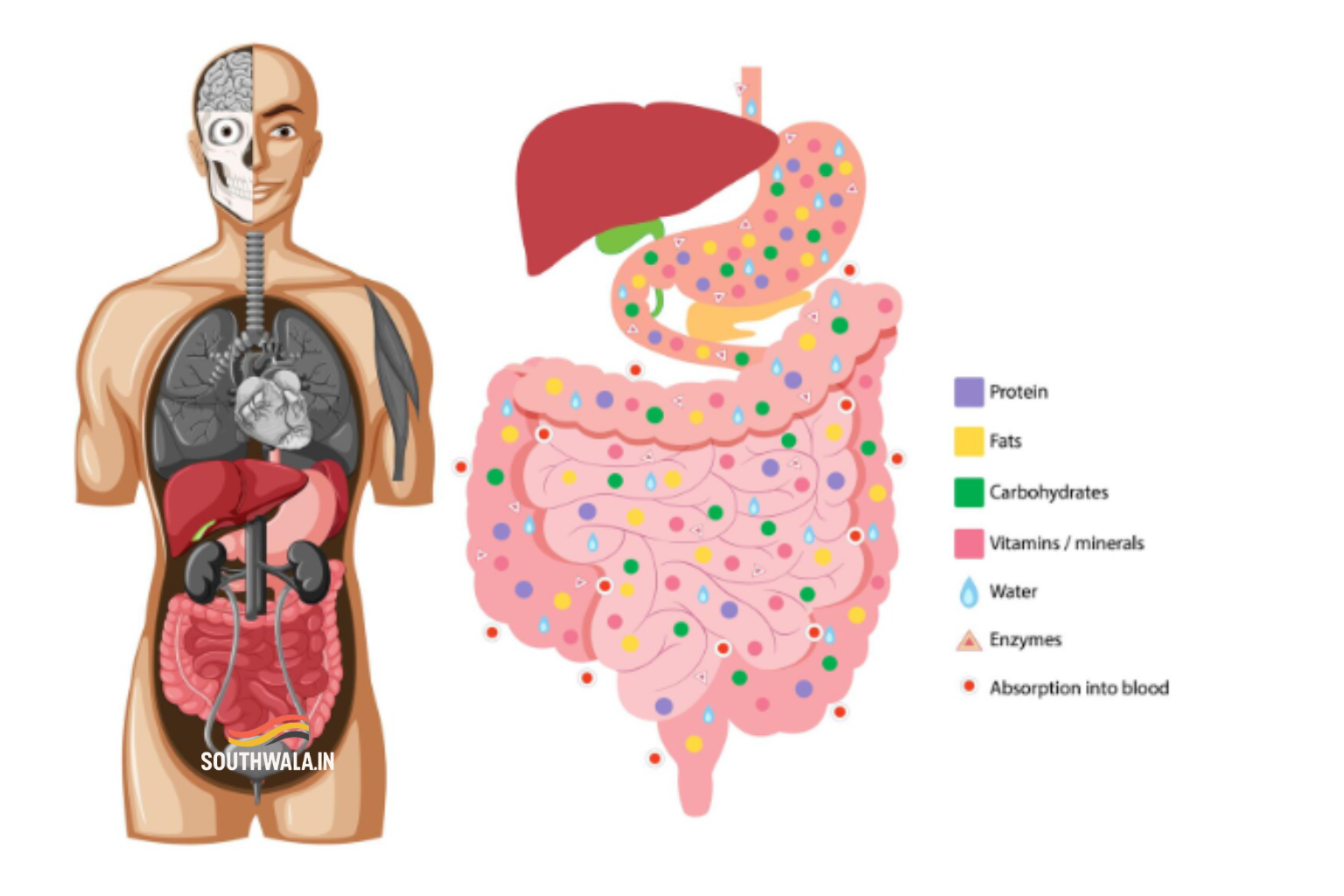
- The stomach and intestines are lined with millions of neurons and bacteria that communicate directly with the brain.
- When this internal ecosystem gets disturbed, it can trigger stress, fear, and unease.

Most people think anxiety begins in the mind. But modern science says otherwise many emotional issues, including anxiety and mood swings, actually start deep in the gut. The stomach and intestines are lined with millions of neurons and bacteria that communicate directly with the brain. When this internal ecosystem gets disturbed, it can trigger stress, fear, and unease. The gut and brain talk constantly, and when that conversation goes wrong, your emotions suffer first.
The Second Brain Inside You
The human gut contains over 100 million nerve cells, known as the enteric nervous system. It operates semi-independently but constantly communicates with the central nervous system. This is why scientists often call it the “second brain.” The gut doesn’t think like the brain in your head, but it senses, reacts, and regulates emotional responses.
When you feel nervous before an interview or experience butterflies in your stomach during fear, it’s your gut-brain axis in action. These sensations are real physical signals sent by the gut’s nerve network to the brain.
The Role of Gut Bacteria in Emotions
Your gut houses trillions of bacteria together, known as the microbiome. They break down food, produce vitamins, and even make neurotransmitters like serotonin and dopamine. About 90 percent of serotonin, the happiness chemical, is produced in the gut, not the brain.
When gut bacteria are balanced, they help regulate mood and stress. But modern diets full of processed foods, antibiotics, and low fiber can destroy good bacteria. Once that balance is lost, the gut sends distress signals to the brain. This is often felt as anxiety, restlessness, or even depression.
Research from Harvard Medical School has shown that people with irritable bowel syndrome (IBS) are far more likely to suffer from anxiety and panic attacks. The gut’s inflammation and microbial imbalance directly affect brain chemistry through the vagus nerve the main information highway between your stomach and mind.
The Vagus Nerve: The Emotional Bridge
The vagus nerve connects the gut to the brain and carries information both ways. When your gut is inflamed or irritated, this nerve signals the brain to activate the stress response. The brain then releases cortisol, the stress hormone, which worsens gut discomfort. This creates a vicious cycle where anxiety triggers stomach issues, and stomach issues feed anxiety.
Practices like deep breathing, meditation, and yoga healthily activate the vagus nerve, calming both the gut and the brain. It’s one reason mindfulness often improves digestion and mood at the same time.
How Food Impacts Mental Health
Food plays a silent but powerful role in mental health. Diets rich in fermented foods like curd, idli, dosa, kimchi, and kombucha naturally support healthy gut bacteria. On the other hand, sugar, processed fats, and artificial sweeteners damage the microbiome.
A 2022 study in Nature Microbiology found that people eating fiber-rich, plant-based diets had more diverse gut bacteria and lower anxiety levels. Fiber acts as food for beneficial bacteria, helping them produce short-chain fatty acids that protect the gut lining and reduce inflammation a major factor in mood disorders.
Caffeine and alcohol are also major disruptors. While they may feel like quick fixes for alertness or relaxation, they overstimulate the gut-brain axis, leading to sleep issues and anxious energy later.
Stress and the Gut Spiral
Stress changes how your gut functions. Under tension, digestion slows down or speeds up, causing bloating, nausea, or acidity. Chronic stress also makes the gut lining more permeable a condition often called “leaky gut.” When toxins or undigested food particles leak into the bloodstream, the immune system reacts, increasing inflammation and altering brain function.
In simple terms, long-term stress makes your gut weak, your mood unstable, and your brain more reactive. Healing anxiety, therefore, requires calming both the mind and the stomach.
Healing from the Inside Out
Restoring gut health can greatly reduce anxiety symptoms. Probiotics, prebiotics, and fermented foods help rebuild good bacteria. Regular exercise improves gut movement and increases the flow of oxygen to the brain and intestinal cells.
Hydration, fiber-rich meals, and mindful eating lower inflammation. Breathing deeply before meals also helps the body switch from “fight-or-flight” to “rest-and-digest” mode.
The connection between food, feelings, and focus is real. The more you care for your gut, the calmer your brain becomes.
The Bigger Picture
Anxiety is not just mental it is metabolic, microbial, and biological. The gut-brain axis is proof that mental health cannot be separated from digestive health. Instead of only treating anxiety with medication or therapy, modern medicine increasingly recommends dietary and lifestyle changes to support both organs together.
A healthy mind grows from a healthy gut. And every meal you eat is either strengthening or straining that connection.
FAQs
1. Why does gut imbalance cause anxiety
Harmful bacteria send stress signals to the brain through the vagus nerve, triggering anxiety and mood shifts.
2. Why does serotonin production depend on the gut
Most serotonin is made in the intestines, and healthy gut bacteria are essential for its creation and balance.
3. Why do processed foods worsen mental health
They harm beneficial gut bacteria, increase inflammation, and disrupt the signals between the gut and brain.
4. Why does meditation calm the stomach
It activates the vagus nerve, slowing the stress response and improving digestion and emotional stability.
5. Why does a fiber-rich diet help with anxiety
Because fiber feeds good gut bacteria, which produce anti-inflammatory compounds that stabilize both mood and energy.
Author


Discover more from Southwala
Subscribe to get the latest posts sent to your email.