Southwala Shorts
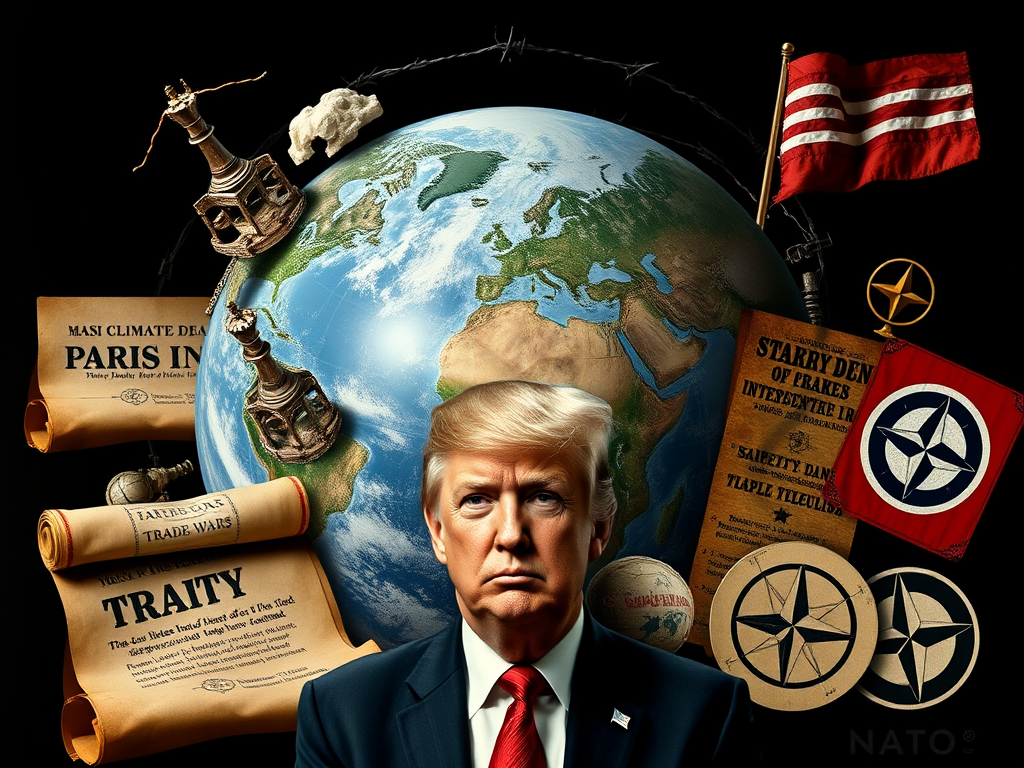
- Donald Trump didn’t just govern America; he disrupted the world order.
- His four years in the White House tore through treaties, unsettled alliances, and re-wired global economics.
- Some saw it as a much needed shake-up, others as reckless chaos.
- But nobody could ignore it.

Donald Trump didn’t just govern America; he disrupted the world order. His four years in the White House tore through treaties, unsettled alliances, and re-wired global economics. Some saw it as a much needed shake-up, others as reckless chaos. But nobody could ignore it.
Here’s a breakdown of the 10 decisions that reverberated across continents:
1. Walking Out of the Paris Climate Deal
Trump’s rejection of the Paris Agreement wasn’t just about coal jobs in Pennsylvania. It signaled that the world’s second-largest polluter was stepping back from climate leadership. Countries like India and China doubled down on renewables, while Europe positioned itself as the torchbearer. The U.S. lost credibility in climate diplomacy, and the vacuum created an opening for others to lead.
2. Tariffs on China
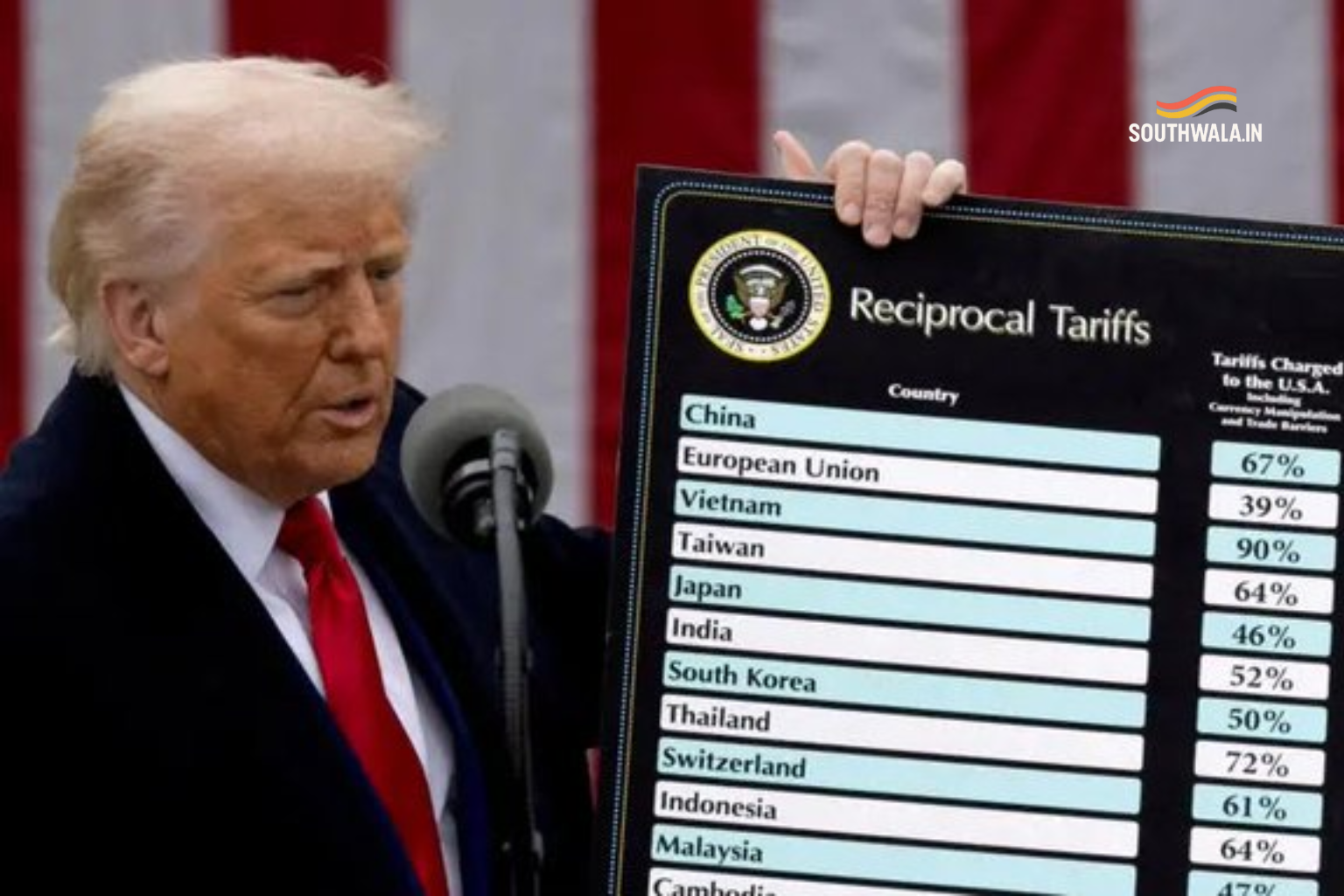
By slapping tariffs on Chinese goods, Trump turned the global economy into a high-stakes chessboard. Manufacturers from Vietnam to Bangladesh benefitted as supply chains shifted. At the same time, U.S. farmers faced retaliatory tariffs, proving trade wars come with collateral damage.
3. The Travel Ban: Borders Redefined
Banning travelers from several Muslim-majority countries was one of Trump’s earliest global statements. Condemned as discriminatory by human rights groups, it also emboldened nationalist leaders worldwide to harden borders under the guise of security.
4. The U.S.- China Trade War
The tariffs were just the prelude. The real war was tech. Trump cracked down on Huawei, TikTok, and intellectual property theft, forcing nations to pick sides in the “tech cold war.” Europe hedged, Southeast Asia diversified, and Africa became a new battleground for 5G influence.
5. Exiting the Iran Nuclear Deal
The decision to abandon the JCPOA in 2018 didn’t just hurt Iran. It rattled oil markets, pulled India away from its key energy supplier, and left European allies scrambling. More importantly, it restored Tehran’s nuclear ambitions, setting the stage for another Middle East crisis.
6. Recognizing Jerusalem as Israel’s Capital
Moving the U.S. embassy to Jerusalem was symbolic but seismic. It redrew diplomatic red lines and infuriated Arab nations. At the same time, it paved the way for the Abraham Accords, as Gulf states recalibrated their ties with Israel, proving Trump’s gamble had unintended side effects.
7. Immigration Crackdowns
From “zero tolerance” at the U.S.-Mexico border to ending protections for migrants, Trump’s policies sparked outrage. But globally, it shifted the debate: Europe hardened asylum rules, Australia doubled down on offshore detention, and nationalist parties found fresh talking points.
8. Picking a Fight with NATO
Trump called NATO allies “freeloaders” and demanded higher defense spending. European nations quietly started boosting military budgets, but the bigger winner was Russia, which enjoyed the spectacle of a fractured alliance.
9. Killing the Trans-Pacific Partnership
By walking away from the TPP, Trump handed China an opening in the Asia-Pacific. Japan and Australia salvaged a version of the deal, but the U.S. lost its seat at the regional trade table. For once, America stepped back while Asia moved forward.
10. Cutting Funds to the WHO
At the peak of a global pandemic, Trump accused the World Health Organization of bias toward China and froze U.S. funding. The timing couldn’t have been worse. Global health coordination weakened, forcing Europe and Asia to plug the financial hole. The U.S. looked inward, while COVID-19 raged outward.
Trump’s presidency was marked by a rejection of multilateralism and a deep embrace of unilateral action. Whether it was climate, trade, or security, his decisions forced the world to adapt quickly. Supporters call it bold leadership; critics call it reckless disruption. Either way, the ripple effects of these ten moves are still shaping global politics today.
Author


Discover more from Southwala
Subscribe to get the latest posts sent to your email.