
Southwala Shorts
- Supreme Court is preparing to hear a high-stakes case that will determine whether President Donald Trump had the legal authority to impose sweeping tariffs on...
- The tariffs were originally enacted under the International Emergency Economic Powers Act (IEEPA), a 1977 law intended to give presidents flexibility when confronting national security...
- However, lower courts ruled that using the law to justify broad tariffs may have exceeded presidential authority, since the Constitution typically grants Congress control over...
- The case comes to the Supreme Court after challenges were filed by businesses and a coalition of 12 U.S.

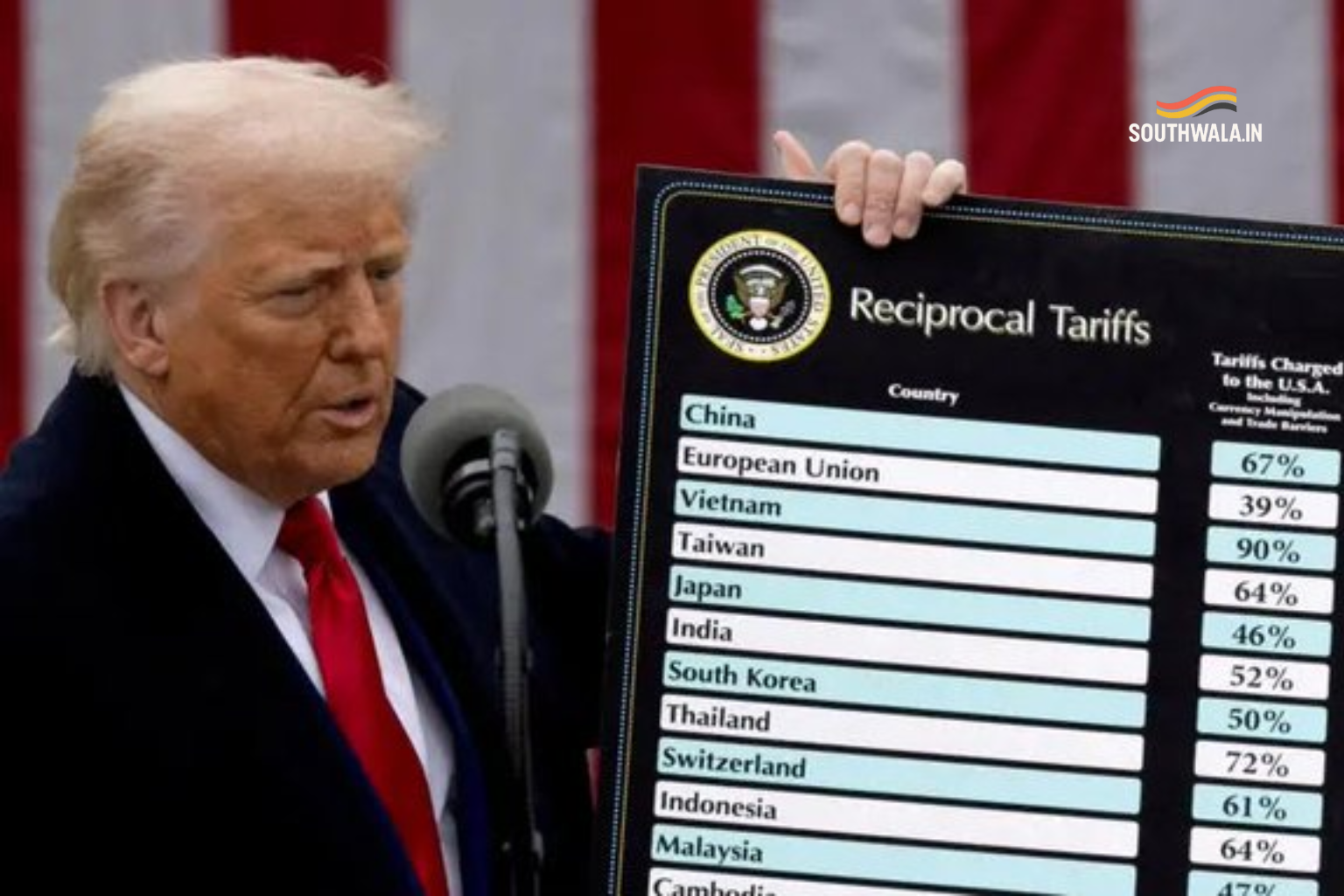
The U.S. Supreme Court is preparing to hear a high-stakes case that will determine whether President Donald Trump had the legal authority to impose sweeping tariffs on imported goods, a move that has generated billions of dollars in revenue but also triggered widespread legal and political debate.
The tariffs were originally enacted under the International Emergency Economic Powers Act (IEEPA), a 1977 law intended to give presidents flexibility when confronting national security threats. However, lower courts ruled that using the law to justify broad tariffs may have exceeded presidential authority, since the Constitution typically grants Congress control over trade and tax measures.
The case comes to the Supreme Court after challenges were filed by businesses and a coalition of 12 U.S. states, arguing that the administration’s actions harmed companies and consumers by raising import costs. Critics say the move stretched emergency powers beyond their intended limits and allowed the executive branch to bypass Congress entirely.
The Trump administration, however, maintains that the president has wide discretion to act in situations involving “unusual and extraordinary threats,” and argues that economic pressures from foreign competitors constitute such a threat. According to government filings, the tariffs generated over $89 billion in revenue between February and September 2025, money that the administration says supports domestic economic aims.
Legal experts say the case may hinge on the “major questions doctrine,” a principle the Supreme Court has increasingly used to require clear congressional authorization when an action carries significant political or economic impact. A ruling against the administration could not only block the tariffs, but may also force the government to refund businesses that paid them a move that could have sweeping budget implications.
On the other hand, a ruling in Trump’s favor would reinforce broad presidential power in trade and national security matters, potentially reshaping how future presidents approach global economic conflicts.
The Court’s decision, expected in the coming months, is likely to have lasting effects on U.S. trade policy and the balance of power between the executive and legislative branches.
Author


Discover more from Southwala
Subscribe to get the latest posts sent to your email.

