Southwala Shorts
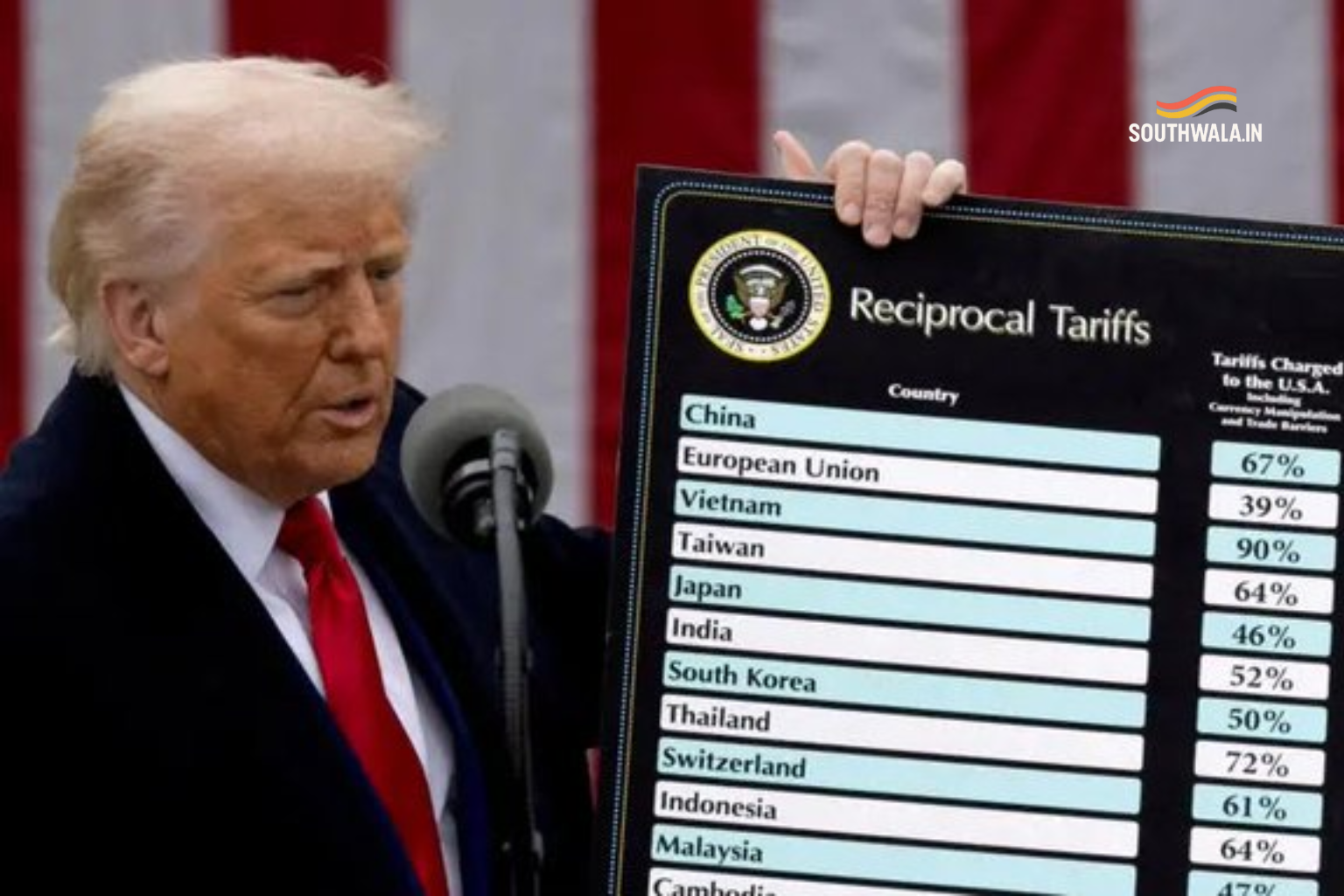
- US tariffs introduced under President Donald Trump targeted a wide range of imports, from steel and aluminum to electronics, seafood, and machinery.
- These measures did not remain confined to one country.
- Because global supply chains are interconnected, tariff hikes in Washington raised costs across Asia, Europe, and beyond.
- China was the central focus of US tariffs.

US tariffs introduced under President Donald Trump targeted a wide range of imports, from steel and aluminum to electronics, seafood, and machinery. These measures did not remain confined to one country. Because global supply chains are interconnected, tariff hikes in Washington raised costs across Asia, Europe, and beyond.
China: Direct Target of Tariffs
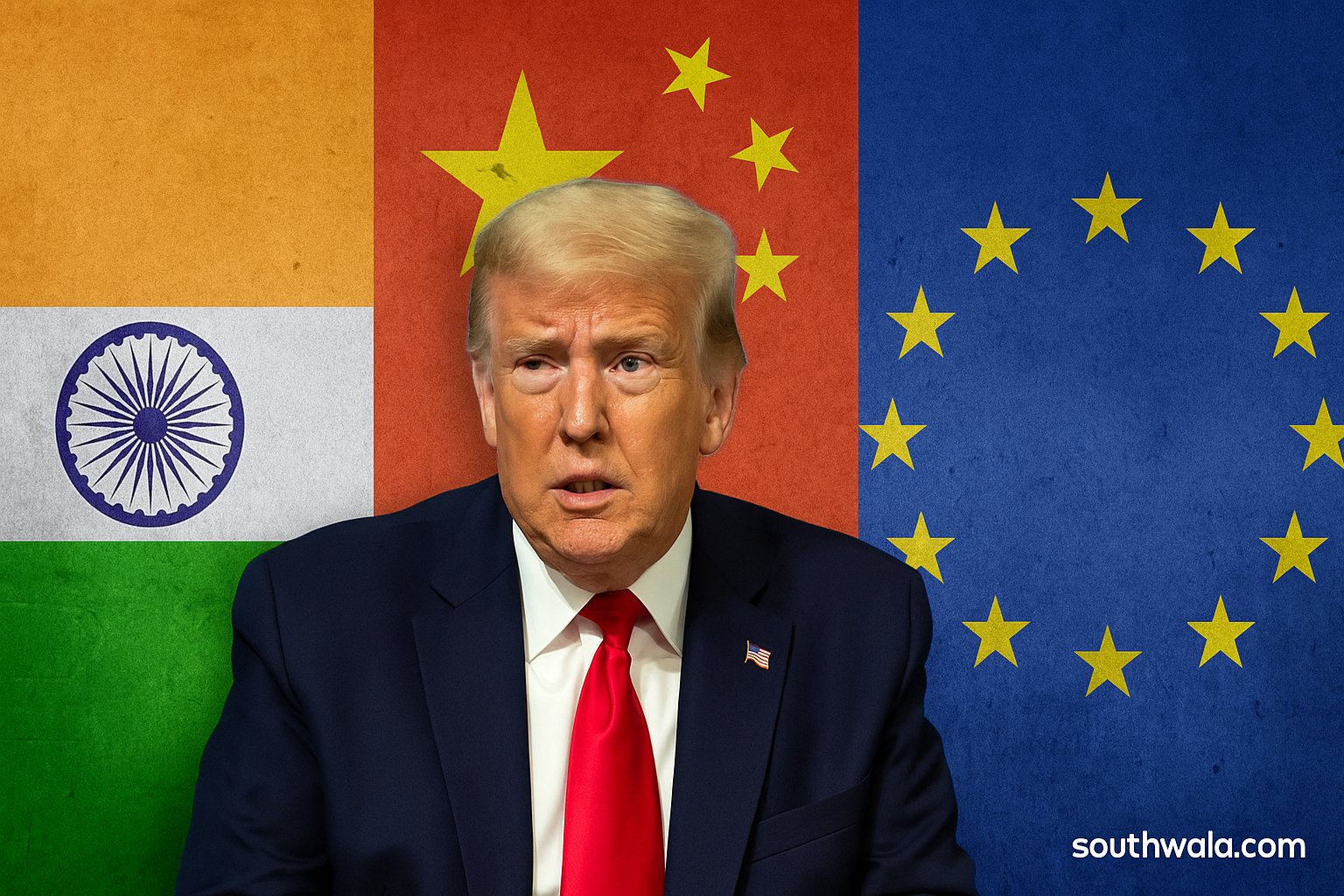
China was the central focus of US tariffs. Starting in 2018, the Trump administration imposed duties worth hundreds of billions of dollars on Chinese goods, including electronics, machinery, and consumer products. As a result, China’s exports to the US dropped, while American buyers faced higher prices for many goods.
Global manufacturers also shifted parts of their supply chains away from China to reduce exposure to tariffs. This adjustment affected not only China but also countries supplying raw materials and components to Chinese factories.
India: Both Pressure and Openings
India faced tariffs on specific exports such as steel, aluminum, and certain seafood items. This reduced Indian shipments to the US, hitting industries in states like Odisha (steel), Jharkhand (aluminum), and Andhra Pradesh (shrimp).
At the same time, US importers seeking alternatives to China opened some space for Indian exporters in areas like pharmaceuticals, textiles, and auto components. While the impact was uneven, tariffs altered trade flows and created both challenges and limited opportunities for India.
Europe: Trade Tensions With the US
Europe also came under tariff pressure. The US imposed duties on European steel and aluminum, and long-running disputes over aircraft subsidies led to additional tariffs on EU goods, including aircraft parts, wine, whiskey, and dairy products. The EU responded with retaliatory tariffs on American products such as motorcycles and farm exports.
This tit-for-tat added costs for businesses and consumers on both sides of the Atlantic, straining transatlantic trade relations.
Trump’s tariffs show how one country’s trade policy can ripple worldwide. Duties aimed at protecting US industries increased costs in China, cut into exports from India, and fueled tariff battles with Europe. In today’s economy, a tariff decision in Washington quickly becomes a global story.
Author


Discover more from Southwala
Subscribe to get the latest posts sent to your email.