Southwala Shorts
- South Indian cuisine is more than a regional food tradition it’s a science of nourishment refined over centuries.
- Every element on a South Indian plate has a biological purpose.
- From idlis and sambar to rasam and curd rice, the combinations reflect a deep understanding of digestion, nutrition, and body balance long before modern dietetics...
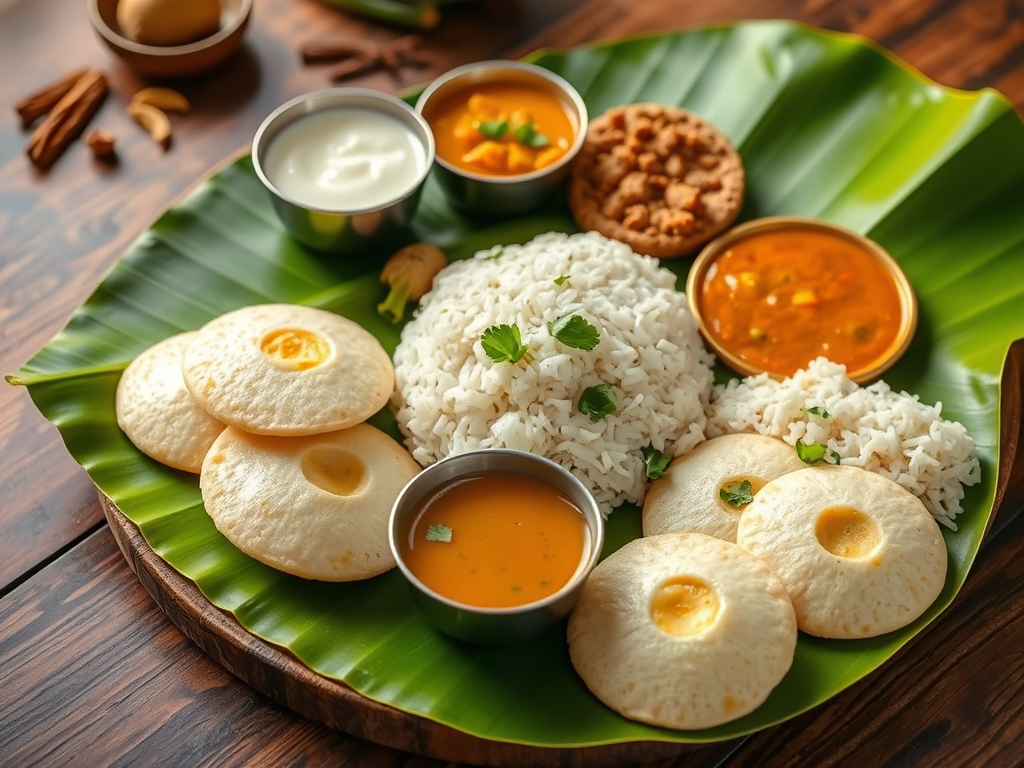
- A traditional South Indian meal, often served on a banana leaf, represents the perfect balance of macronutrients (carbohydrates, proteins, fats) and micronutrients (vitamins, minerals, antioxidants).

South Indian cuisine is more than a regional food tradition it’s a science of nourishment refined over centuries. Every element on a South Indian plate has a biological purpose. From idlis and sambar to rasam and curd rice, the combinations reflect a deep understanding of digestion, nutrition, and body balance long before modern dietetics existed.
The Science Behind the South Indian Plate
A traditional South Indian meal, often served on a banana leaf, represents the perfect balance of macronutrients (carbohydrates, proteins, fats) and micronutrients (vitamins, minerals, antioxidants). It follows the ancient Indian food principle of tridosha balance, maintaining harmony between Vata (air), Pitta (fire), and Kapha (earth) energies in the body.
This is achieved not by random choices, but by a specific pairing of grains, lentils, spices, fermented foods, and probiotics.
Fermented Foods and Gut Health
Staple dishes like idli, dosa, and appam are fermented naturally. Fermentation increases nutrient absorption, enhances gut bacteria, and aids digestion. The lactobacillus formed during fermentation breaks down complex carbohydrates and proteins into simpler forms that the body can easily absorb.
Unlike quick-processed breakfast foods, these traditional dishes energize the body without spiking blood sugar levels.
Balance of Carbs, Proteins, and Fats
A classic South Indian meal combines:
- Carbohydrates: Rice, millets, or dosa batter provide sustained energy.
- Proteins: Lentils and legumes from sambar, rasam, and poriyal strengthen muscles.
- Fats: Ghee and coconut oil enhance vitamin absorption and brain health.
This combination supports both mental alertness and physical energy throughout the day, making it nutritionally superior to one-dimensional diets.
Use of Spices as Natural Medicine
Every South Indian spice is chosen with intent.
- Turmeric acts as an anti-inflammatory and boosts immunity.
- Black pepper enhances metabolism and nutrient absorption.
- Cumin aids digestion.
- Mustard seeds and curry leaves protect against oxidative stress.
The tempering of spices in ghee or oil is not just for flavor it activates fat-soluble compounds, making them medicinally potent.
The Role of Rasam and Buttermilk in Digestion
A South Indian meal typically ends with rasam (a thin, tangy soup) and buttermilk. Rasam, made with tamarind, pepper, and garlic, stimulates enzymes that support digestion and detoxification. Buttermilk cools the stomach, neutralizes acidity, and replenishes healthy gut bacteria.
This sequencing of dishes is scientific each course prepares the digestive system for the next.
Seasonal Adaptability and Sustainability
South Indian meals change with the seasons.
- In summer, cooling dishes like curd rice, buttermilk, and coconut-based curries dominate.
- In the monsoon, pepper rasam and tamarind-based foods strengthen immunity.
- In winter, millets and ghee-rich foods provide warmth and energy.
This seasonal rotation ensures that the body’s needs align with nature’s rhythm, a concept modern nutrition calls bio-adaptive eating.
Portion Control and Variety
Unlike heavy single-dish meals, South Indian thalis promote small portions of multiple foods like sambar, kootu, poriyal, rasam, curd rice, pickle, and papad. This ensures diverse nutrients in one sitting without overeating.
The use of the banana leaf is also practical and sustainable. It contains polyphenols that have antibacterial properties, enhancing hygiene and adding a light aroma to the food.
South Indian meals reflect both culinary art and nutritional science. Every element of the fermentation, spice mix, course order, and portioning serves a biological purpose.
The diet keeps the body alkaline, supports gut health, balances energy, and fits every climate condition.
Long before modern diet plans existed, South Indian food had already perfected the formula for a balanced life through mindful eating.
FAQs
Can South Indian food support weight management?
Yes, most dishes are steamed, fermented, or lightly cooked, making them nutritious and low in unhealthy fats.
Can the daily intake of rasam and buttermilk help digestion?
Yes, they contain natural enzymes and probiotics that strengthen gut health.
Can fermented foods like idlis improve immunity?
Yes, fermentation increases beneficial bacteria that support both digestion and immunity.
Can spices in South Indian food reduce inflammation?
Yes, turmeric, pepper, and ginger are proven natural anti-inflammatory agents.
Can a South Indian thali provide all essential nutrients?
Yes, when made traditionally, it offers a full balance of carbs, proteins, fats, fiber, and vitamins.
Author


Discover more from Southwala
Subscribe to get the latest posts sent to your email.