Southwala Shorts
- Today, cinnamon is something we sprinkle on desserts or stir into tea.
- But in ancient times, it was a rare treasure – so valuable that it was worth more than gold.
- Traders guarded its sources with secrets, and kingdoms fought for control over its trade.
- Thousands of years ago, the origins of cinnamon were hidden from the common people.

Highlights
- Cinnamon’s journey from a rare forest bark to a global treasure
- How it became one of the most valuable trade goods in history
- Myths, secrets, and power struggles behind the spice trade
The Ancient Spice Trade – How Cinnamon Was Worth More Than Gold
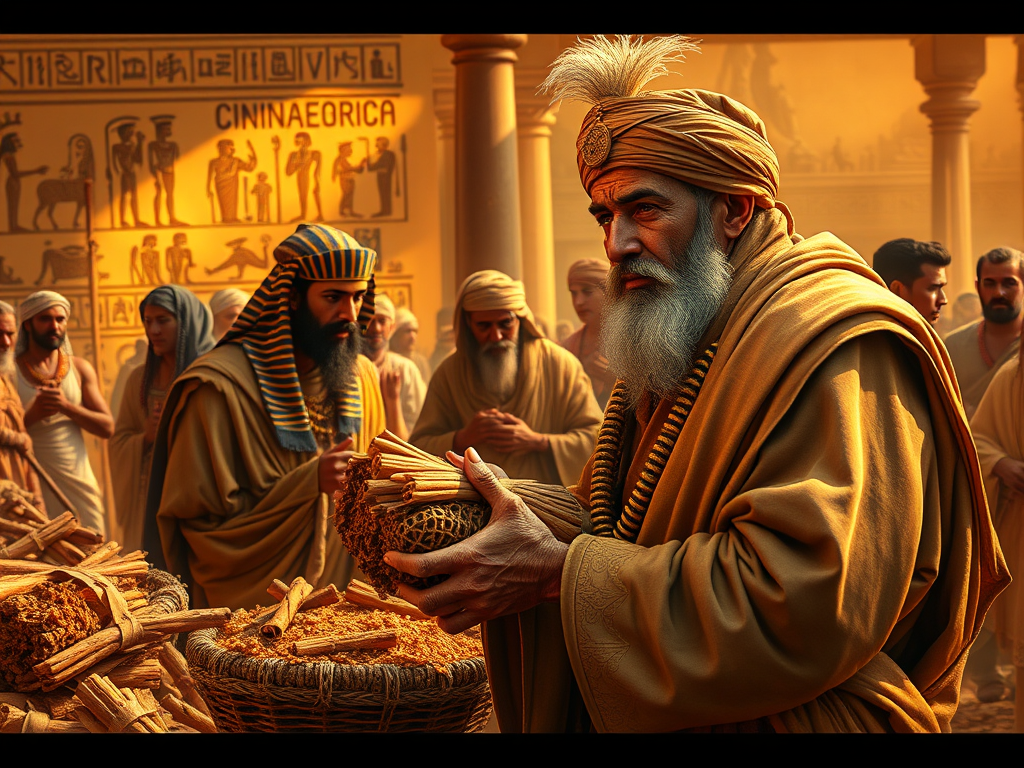
Today, cinnamon is something we sprinkle on desserts or stir into tea. But in ancient times, it was a rare treasure – so valuable that it was worth more than gold. Traders guarded its sources with secrets, and kingdoms fought for control over its trade.
A Spice Wrapped in Mystery
Thousands of years ago, the origins of cinnamon were hidden from the common people. Arab traders spread stories that cinnamon was collected from giant bird nests or dangerous snake-filled valleys to make it sound rare and dangerous. This secrecy kept prices high and demand even higher.
Cinnamon in Ancient Egypt
In Egypt, cinnamon was more than just a flavor. It was used in embalming mummies, sacred rituals, and perfumes for royalty. Because it had to be brought from faraway lands, its value was extraordinary. Only the rich could afford it, making it a true luxury item.
The Roman Love for Cinnamon
Romans believed cinnamon had powerful medicinal properties. It was used to treat coughs, digestive problems, and even as an aphrodisiac. During Emperor Nero’s reign, legend says he burned a year’s supply of cinnamon at his wife’s funeral as a symbol of grief – a gesture that showed both wealth and extravagance.
The Asian Connection
The best cinnamon, known as Ceylon cinnamon, came from Sri Lanka. Traders from India, China, and Arabia kept this source a closely guarded secret for centuries. They transported it through long land and sea routes, making it one of the main commodities in the ancient spice trade.
Worth More Than Gold
Because of its rarity, transport risks, and demand among kings and the wealthy, cinnamon’s price could surpass gold. Owning it was a sign of power and status. Some ancient texts even mention it as part of royal dowries.
The Fall of the Mystery
When Portuguese explorers reached Sri Lanka in the 16th century, the secrecy around cinnamon’s origin was broken. Control of the cinnamon trade shifted to European powers, but by then, it had already left a golden mark on history.
FAQs
Why was cinnamon so rare in ancient times?
Its sources were far away and kept secret by traders.
Did ancient people use cinnamon for food?
Yes, but also for medicine, rituals, and perfumes.
What is the difference between Ceylon and Cassia cinnamon?
Ceylon is milder, sweeter, and considered higher quality, while Cassia is stronger and more common today.
Was cinnamon only for the rich in ancient times?
Mostly yes, because of its high price and limited supply.
Which country produces the best cinnamon today?
Sri Lanka is still famous for high-quality Ceylon cinnamon.
Author


Discover more from Southwala
Subscribe to get the latest posts sent to your email.