Southwala Shorts
- Fashion is not limited to clothes.
- It is a language of self-expression.
- Every detail, from accessories to fragrance, shapes identity and perception.
- Perfume, though invisible, is one of the most powerful elements in fashion because it lingers longer than appearance and reaches deeper than style.

Fashion is not limited to clothes. It is a language of self-expression. Every detail, from accessories to fragrance, shapes identity and perception. Perfume, though invisible, is one of the most powerful elements in fashion because it lingers longer than appearance and reaches deeper than style.
Perfume is not just about smelling pleasant. It is about defining presence, mood, and memory.
Scent as an Extension of Personal Style
The way a person dresses communicates personality, but scent completes that message.
A sharp citrus fragrance can signal freshness and energy, while a deep woody tone can express strength or mystery.
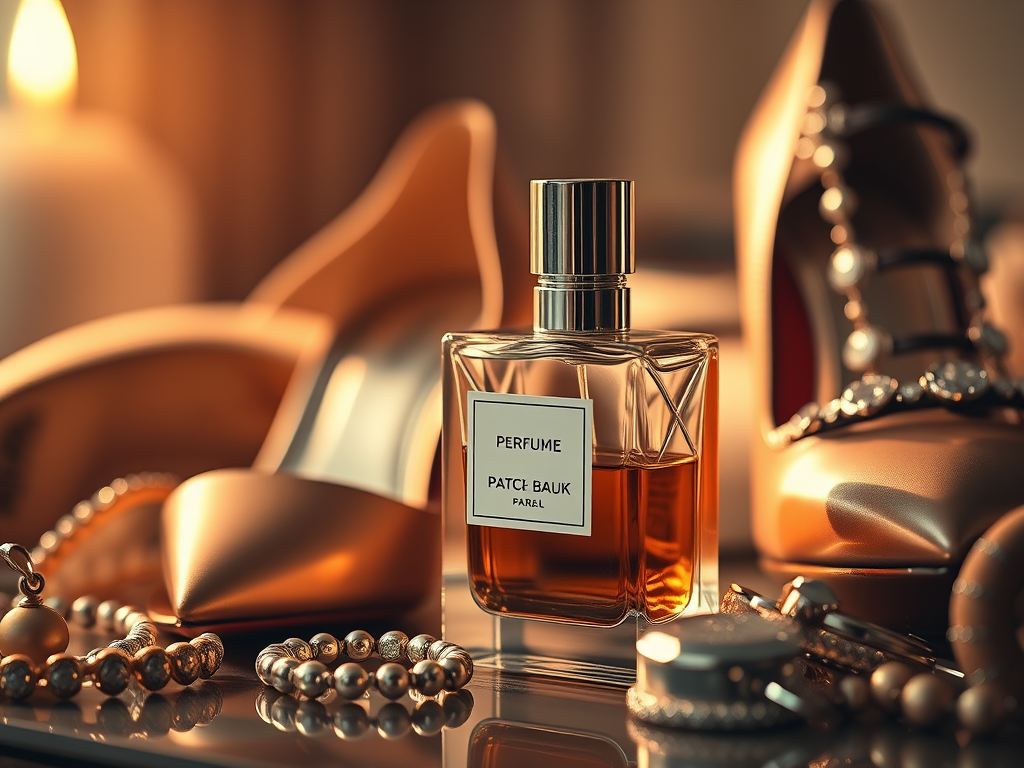
In fashion, designers often describe perfume as the final accessory the invisible layer that connects the inner self with the outer image. A person may forget a dress but not the fragrance that accompanied it.
The Psychology of Scent and Memory
The human brain connects scent directly with memory and emotion through the limbic system, the same area that processes feelings.
This is why the smell of jasmine might remind someone of a summer evening, or a musky perfume might evoke memories of a specific person.
Perfume, therefore, becomes deeply personal. It shapes identity and can even influence how others perceive someone. Studies in psychology show that scent strongly affects attraction, trust, and confidence levels. People often remember fragrances long after they forget faces.
The Fashion Industry’s Love Affair with Perfume
Perfume has become an essential part of the fashion ecosystem. Major fashion houses such as Chanel, Dior, and Gucci treat fragrances as extensions of their clothing lines. When Coco Chanel created Chanel No. 5, it wasn’t just a perfume; it was a statement of sophistication captured in a bottle.
Perfume allows designers to translate their brand’s emotion into scent. A dress can show elegance, but perfume can make that elegance felt even in someone’s absence. This fusion of emotion, branding, and sensory experience is why perfume remains one of the strongest storytelling tools in fashion.
Identity and the Signature Scent
Just as everyone has a unique wardrobe style, many people build a signature scent a fragrance that becomes part of their identity.
It tells others who they are without words. Some choose bold perfumes that announce confidence. Others prefer subtle notes that suggest calm and grace.
This personal association with scent is powerful because it becomes tied to self-image. People use fragrance to feel confident before a meeting, romantic on a date, or powerful before an event. Perfume, in this sense, is wearable confidence.
Cultural Influence and Emotional Expression
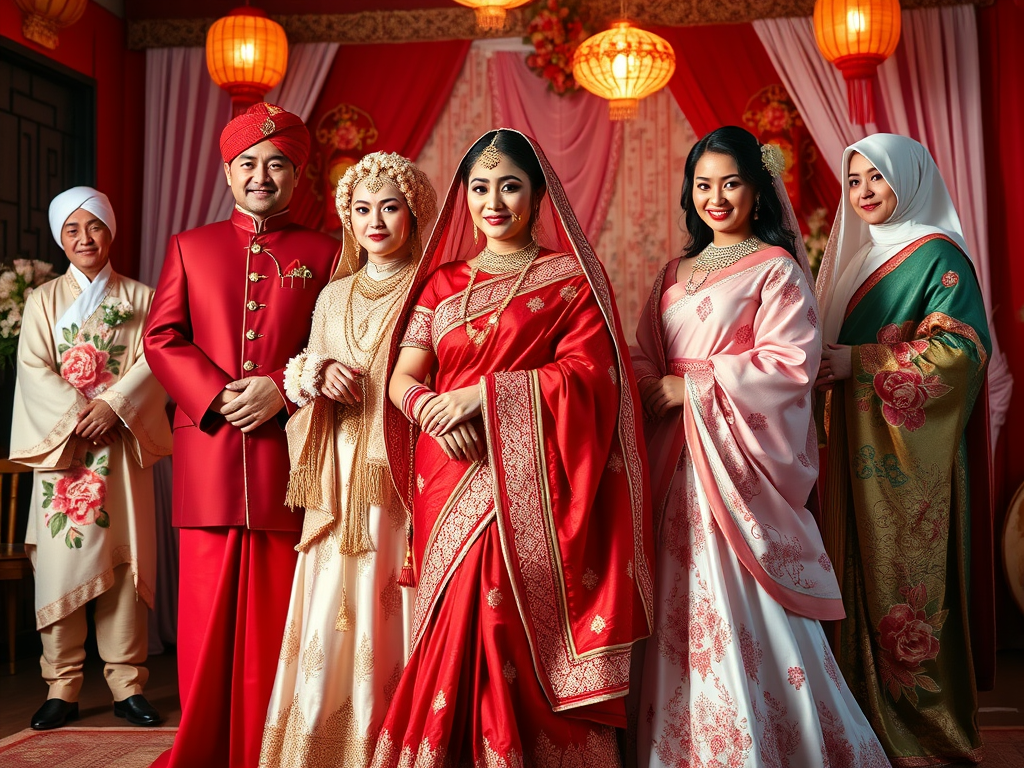
Across cultures, scent plays a symbolic role in beauty and ritual. In India, sandalwood and jasmine are linked to purity and celebration. In the Middle East, oud represents luxury and strength. In Europe, floral and musk combinations dominate high fashion for their sensuality and sophistication.
Perfume captures emotion, culture, and individuality. The choice of scent reveals more about personality than spoken words ever could. It is emotion translated into chemistry.
Perfume and Modern Fashion Identity
In the modern fashion era, scent has evolved beyond luxury. It has become part of daily identity.
Minimalist brands design perfumes that reflect simplicity and authenticity. Streetwear brands are exploring fragrances that align with youth and energy.
The connection between fashion and perfume lies in storytelling; both aim to communicate who a person is or aspires to be. Whether through a tailored suit or a bold fragrance, fashion and scent both express identity with intention.
Perfume completes the story that fashion begins. It touches memory, emotion, and perception all at once. Every fragrance carries a message of elegance, confidence, rebellion, or calm. In fashion, scent is not an afterthought. It is the essence of personal expression.
Just as clothes define how we look, perfume defines how we are remembered.
FAQs
Can perfume influence confidence and mood?
Yes, wearing a pleasant scent can lift mood and increase confidence by triggering positive emotions in the brain.
Can scent express personality like fashion does?
Yes, fragrance choices often reflect character traits such as boldness, creativity, or calmness.
Can fashion brands use perfume to tell a story?
Yes, designers use fragrance as a sensory extension of their brand identity and emotional storytelling.
Can a signature scent become part of identity?
Yes, people often associate themselves and others with specific perfumes that become personally symbolic.
Can perfume affect how others perceive someone?
Yes, studies show that scent influences attraction, first impressions, and emotional connection.
Author


Discover more from Southwala
Subscribe to get the latest posts sent to your email.