Southwala Shorts
- Fashion has always been driven by creativity, but today technology stands beside it as an equal partner.
- Artificial Intelligence (AI) is transforming how fashion is imagined, created, and consumed.
- The next generation of fashion trends is no longer based only on intuition or runway inspiration.
- It is being shaped by data, algorithms, and real-time insights into how people live and express themselves.

Fashion has always been driven by creativity, but today technology stands beside it as an equal partner. Artificial Intelligence (AI) is transforming how fashion is imagined, created, and consumed. The next generation of fashion trends is no longer based only on intuition or runway inspiration. It is being shaped by data, algorithms, and real-time insights into how people live and express themselves.
AI as the New Design Partner
AI now works hand in hand with designers, turning inspiration into intelligent design.
Machine learning systems study millions of images, fabrics, and silhouettes to find patterns that appeal to consumers. Tools such as CLO 3D, Adobe Firefly, and Fashwell help designers visualize, test, and refine concepts faster than ever.
In modern studios, AI serves as a creative assistant that understands color palettes, cultural moods, and sustainability needs. This blend of imagination and intelligence is rewriting the design process.
Predicting Trends Before They Emerge
AI can analyze global data from social media, retail sites, and fashion blogs to identify emerging styles months in advance.
Platforms such as Heuritech and Edited use image recognition to scan millions of photos and videos daily, identifying colors, cuts, and materials, gaining popularity.
This data allows brands to produce collections that match real demand, reducing unsold stock and aligning creativity with commerce. Predictive analytics has become one of the most powerful tools in shaping fashion’s future.
Personalized Fashion for Every Shopper
AI makes personalization a reality at scale. Algorithms can decode an individual’s style, body type, and even mood. Fashion retailers such as Stitch Fix and Zalando use AI systems that curate personalized outfits, recommend items, and even influence design choices for upcoming collections.
If a shopper prefers minimal designs in neutral tones, AI can identify that preference and recommend matching items. Personalization is no longer limited to luxury fashion; it has become an everyday experience powered by intelligent systems.
Virtual Design and 3D Fashion
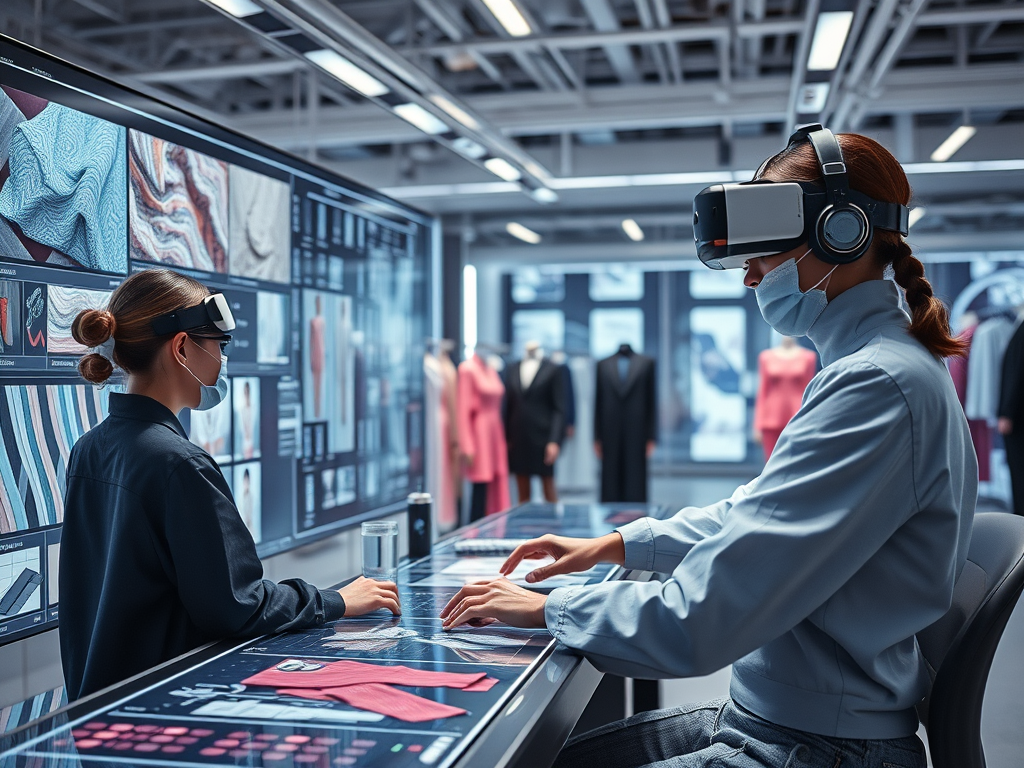
Digital design tools powered by AI have replaced sketches and sample making. Designers can now simulate fabric behavior, test fits, and adjust colors using virtual models.
Brands such as Tommy Hilfiger and Nike rely on AI-led design workflows to produce digital prototypes before manufacturing physical garments.
This reduces waste, shortens production timelines, and supports sustainable fashion goals. Virtual collections are also paving the way for digital-only clothing made for online influencers and metaverse users.
Sustainability Through Smart Production
AI helps fashion brands make responsible choices. Predictive demand forecasting ensures that only high-demand products are produced, minimizing overproduction and textile waste.
AI also supports sustainable logistics by optimizing packaging, shipping routes, and inventory management.
Recycling and upcycling have become data-informed. AI tools can track materials, identify recyclable fabrics, and measure environmental impact, allowing brands to act with transparency and accountability.
AI Stylists and Digital Influencers
AI has stepped out of the factory and onto the runway. Virtual influencers such as Lil Miquela and Shudu have already redefined how fashion campaigns are run. These AI-generated personalities model clothes, engage with audiences, and influence real consumer decisions.
AI-powered stylists are also reshaping personal fashion advice. They curate daily looks, match outfits with occasions, and even suggest weather-appropriate combinations. For the digital generation, style is now both human and algorithmic.
The future of fashion is both artistic and analytical. AI is not replacing designers but enhancing their creativity through precision and data. From forecasting the next big trend to personalizing every purchase, AI is setting the stage for an industry that is more sustainable, inclusive, and intelligent.
Fashion is no longer reacting to trends. It is creating them through collaboration between human imagination and machine learning.
FAQs
Can AI assist designers in creating better collections?
Yes, AI supports designers by analyzing fashion data, customer behavior, and material trends to guide design decisions.
Can AI predict fashion trends accurately?
Yes, AI studies millions of online visuals and market data to identify emerging trends before they reach mainstream fashion.
Can AI improve sustainability in fashion?
Yes, AI reduces waste through smart production planning, recycling analysis, and efficient logistics.
Can AI personalize the shopping experience?
Yes, AI tailors product recommendations and designs based on user style preferences and past purchases.
Can AI replace human creativity in fashion?
No, AI enhances design by providing data insights, but emotion, culture, and artistic sense remain uniquely human.
Author


Discover more from Southwala
Subscribe to get the latest posts sent to your email.