Southwala Shorts
- Every car runs on two essential forces: fuel and lubrication.
- Fuel gives power, and lubrication keeps everything alive.
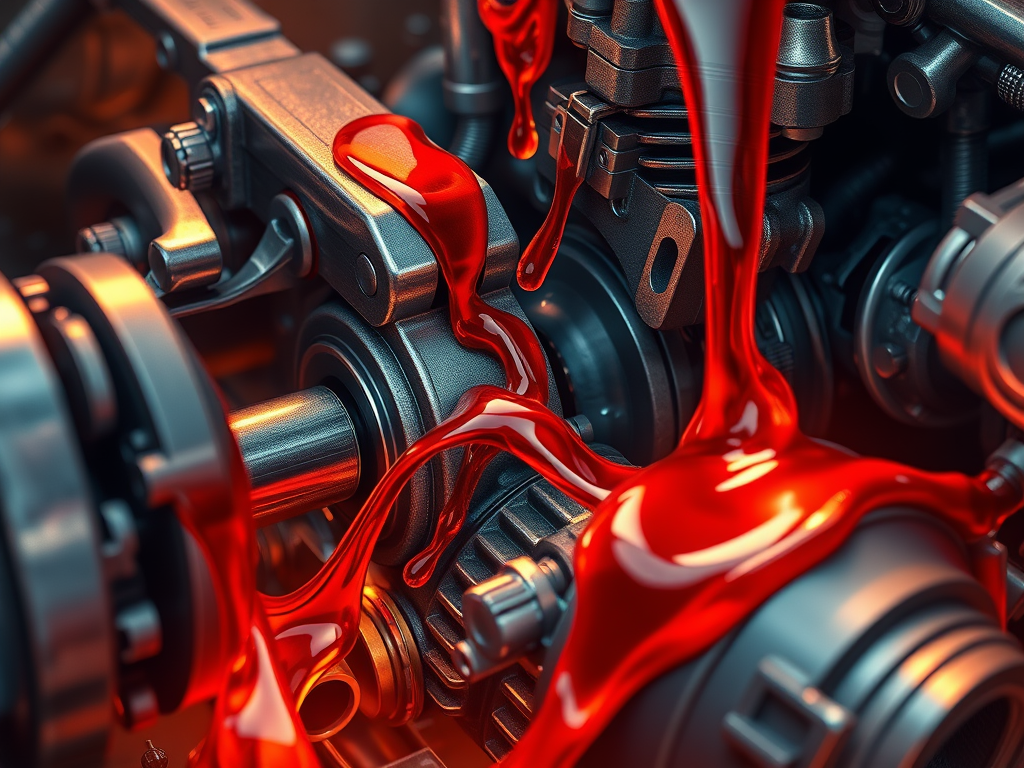
- Engine oil is the blood of a car, flowing through its mechanical veins, protecting the engine from heat, friction, and wear.
- Just like blood sustains the human body, engine oil sustains the life of an engine.

Every car runs on two essential forces: fuel and lubrication. Fuel gives power, and lubrication keeps everything alive. Engine oil is the blood of a car, flowing through its mechanical veins, protecting the engine from heat, friction, and wear. Just like blood sustains the human body, engine oil sustains the life of an engine.
The Role of Engine Oil in an Engine’s System
Inside a car engine, hundreds of metal parts move rapidly, creating heat and friction. Without oil, these parts would grind against each other and seize up within minutes. Engine oil flows through the engine to create a thin film between these metal surfaces, preventing direct contact and keeping the motion smooth.
The oil also circulates continuously, collecting microscopic debris and carrying it away, just as blood removes toxins from the human body.
The Flow of Life: How Oil Moves Through the Engine
Once the engine starts, the oil pump draws oil from the sump (oil pan) and sends it through oil filters. From there, it reaches the crankshaft, pistons, camshaft, and valves.
This steady flow ensures:
- Friction reduction between moving components
- Heat dissipation from combustion and friction zones
- Debris collection to prevent clogging and corrosion
If the oil stops circulating or becomes too thick or dirty, the engine can overheat, seize, or even fail, just like organs fail when blood stops circulating.
Temperature Control and Cooling
Engines naturally produce extreme heat due to combustion and metal friction. Engine oil acts as a secondary cooling system by absorbing and dispersing this heat.
Oil carries heat away from the hottest areas, such as pistons and bearings, and distributes it to cooler zones or the oil pan, where it cools before circulating again.
Without the oil’s cooling effect, the temperature can rise rapidly, leading to engine knocking, warping of metal parts, or complete breakdown.
Cleaning and Protection
Every time the engine runs, small carbon particles, metal dust, and fuel residues build up inside. Engine oil traps these impurities and holds them in suspension until the next oil change.
Modern oils contain detergents, dispersants, and antioxidants that keep the engine clean and prevent rust. This cleaning function ensures that moving parts do not wear prematurely, extending the life of the car.
The Health Indicator: Oil Quality and Changes
Just as blood tests reveal health issues, checking the engine oil reveals the health of a car.
- Dark or sludgy oil indicates contamination
- Low levels indicate leaks or consumption
- The burnt smell indicates overheating
Regular oil changes remove accumulated impurities and restore lubrication quality. Neglecting oil maintenance is one of the fastest ways to destroy an engine.
Synthetic and Mineral Oil
Like modern medicine improves human life, synthetic oils enhance engine health. Synthetic oils are engineered to handle higher temperatures, reduce friction more effectively, and last longer than conventional mineral oils.
High-performance or turbocharged engines rely heavily on synthetic oils because of their superior resistance to breakdown and ability to perform under extreme stress.
Engine oil keeps the heart of your car beating. It lubricates, cools, cleans, and protects all at once. Ignoring oil changes is like ignoring blood circulation in the body.
A healthy engine always runs on clean, high-quality oil, just as a healthy body depends on clean blood. In simple terms, engine oil is not just a fluid; it is the lifeline of your vehicle.
FAQs
Can engine oil help reduce fuel consumption?
Yes, clean oil reduces friction, helping the engine run smoother and improving fuel efficiency.
Can driving with low oil damage the engine?
Yes, insufficient oil causes friction and overheating, which can lead to permanent engine failure.
Can synthetic oil last longer than normal oil?
Yes, synthetic oil is more stable and can last up to twice as long as conventional oil.
Can dirty oil affect engine performance?
Yes, contaminated oil loses its lubricating ability, leading to rough performance and higher fuel use.
Can regular oil changes extend engine life?
Yes, consistent oil changes remove impurities and keep the engine clean, extending its lifespan.
Author


Discover more from Southwala
Subscribe to get the latest posts sent to your email.