Southwala Shorts
- In almost every traditional Indian home, a Tulsi plant (Holy Basil) stands in the courtyard, balcony, or near the entrance.
- It is not just a plant but a symbol of faith, purity, and protection.
- Across generations, Tulsi has held a sacred space in Indian culture, connecting spirituality, health, and the environment in one living form.
- The Tulsi plant holds a deeply respected position in Hindu households.

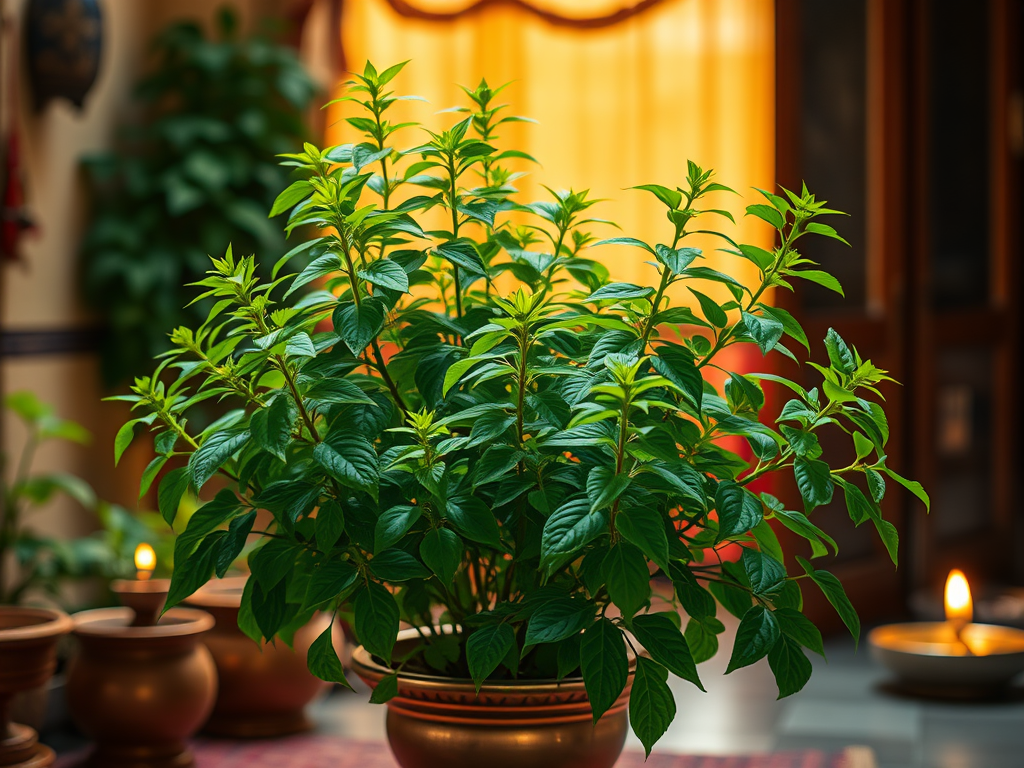
In almost every traditional Indian home, a Tulsi plant (Holy Basil) stands in the courtyard, balcony, or near the entrance. It is not just a plant but a symbol of faith, purity, and protection. Across generations, Tulsi has held a sacred space in Indian culture, connecting spirituality, health, and the environment in one living form.
Spiritual and Cultural Significance
The Tulsi plant holds a deeply respected position in Hindu households. It is considered the earthly form of Goddess Tulsi, a manifestation of Lakshmi, the goddess of wealth and prosperity.
Families believe that nurturing a Tulsi plant invites blessings, positivity, and harmony into the home. In ancient texts like the Skanda Purana and Padma Purana, Tulsi is described as “Vishnu Priya”, meaning the beloved of Lord Vishnu, making it an essential part of daily worship rituals.
Lighting a lamp near Tulsi in the evening is believed to drive away negative energies and bring peace.
Symbol of Purity and Devotion
Tulsi represents purity in both thought and action. Many households begin the day by watering the Tulsi and offering prayers. This act symbolizes the start of the day with mindfulness and gratitude.
The plant also serves as a moral reminder. Just as Tulsi purifies the air around it, humans must strive to keep their minds and hearts pure. The act of caring for Tulsi teaches patience, discipline, and devotion, especially in joint families where the plant connects generations through shared tradition.
Health and Medicinal Benefits
Beyond its spiritual symbolism, Tulsi has profound medicinal properties. Ancient Ayurvedic texts call it the Elixir of Life because of its ability to strengthen immunity and balance the body’s energy systems.
Key benefits include:
- Boosting Immunity: Tulsi contains compounds like eugenol and camphene that strengthen the immune system.
- Reducing Stress: It helps regulate cortisol levels and supports mental calmness.
- Healing Cough and Cold: The leaves are often used in herbal teas and remedies for respiratory issues.
- Detoxifying the Body: Tulsi aids digestion and removes toxins naturally.
Many households still prepare Tulsi-infused water or herbal kadha during seasonal changes to prevent infections.
Environmental and Scientific Benefits
Tulsi is known for its air-purifying properties. It releases oxygen for almost 20 hours a day and absorbs harmful gases like carbon dioxide and sulfur dioxide. The plant improves indoor air quality, making it a natural purifier.
Keeping Tulsi near the entrance or window helps balance humidity and enhances energy flow in the house. Even in urban apartments, Tulsi serves as a small green sanctuary connecting city dwellers with nature.
Social and Emotional Importance
In Indian families, the Tulsi plant is more than a ritual object. It is part of the emotional and social fabric of life. Many homes have a Tulsi Vrindavan, a decorated pedestal for the plant, often built in the center of the courtyard.
Women traditionally light diyas near Tulsi every evening, symbolizing protection and well-being for the family. During festivals like Tulsi Vivah, the plant is ceremonially married to Lord Vishnu, marking the beginning of the wedding season in Hindu culture.
For many Indians living abroad, growing Tulsi becomes an emotional link to home, culture, and roots.
The presence of a Tulsi plant in Indian homes blends spirituality, health, and ecology into one symbol. It teaches devotion, discipline, and balance, the same virtues that sustain both the household and the planet.
Whether viewed through faith or science, Tulsi continues to remind every generation that caring for life in any form brings harmony and healing.
FAQs
Can Tulsi purify the air indoors?
Yes, it absorbs toxins and releases oxygen, improving air quality.
Can Tulsi help boost immunity naturally?
Yes, it has antioxidant and antibacterial properties that support a stronger immune system.
Can Tulsi be used for home remedies?
Yes, its leaves are used in herbal teas, cough syrups, and Ayurvedic preparations.
Can Tulsi be kept indoors?
Yes, it can thrive near sunlight or windows with proper watering.
Can Tulsi have both spiritual and scientific importance?
Yes, it represents divine energy in culture and offers proven medicinal and environmental benefits in science.
Author


Discover more from Southwala
Subscribe to get the latest posts sent to your email.