Southwala Shorts
- In modern skincare, two names appear on almost every list of “must-have ingredients” are Vitamin C and Niacinamide.
- Both are popular, both are backed by science, and both promise healthier, brighter skin.
- But when people ask “which is better?”, the real answer depends on what your skin needs.
- Let us explore how each works, their differences, and whether you need to pick one or can safely use both.

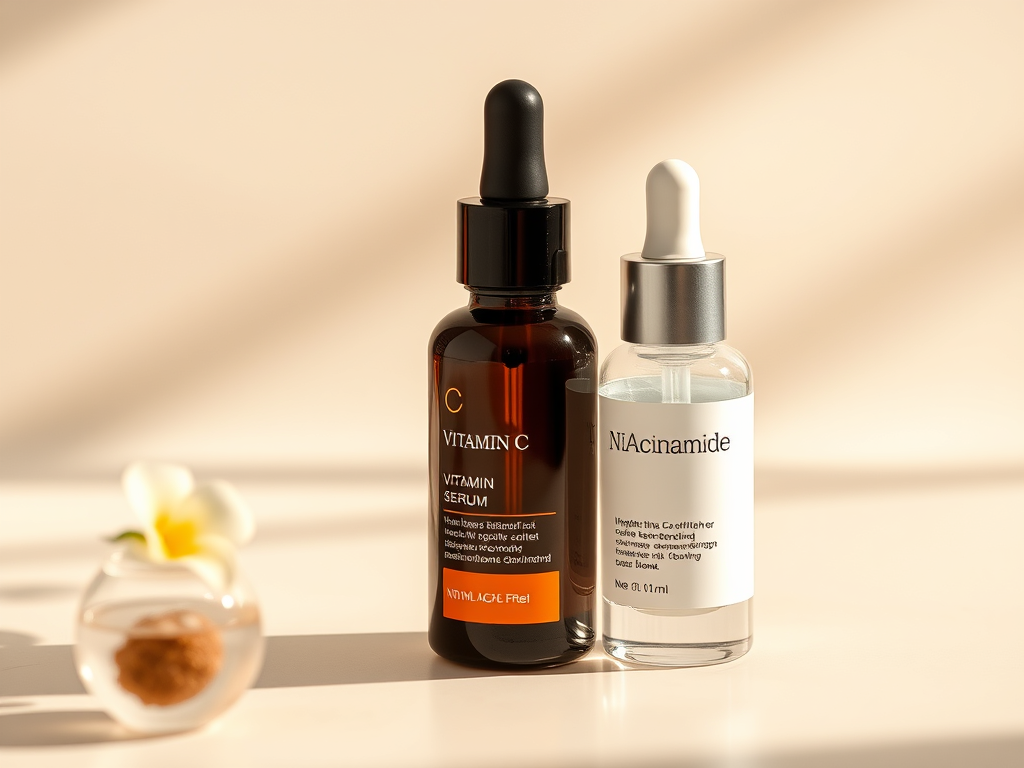
In modern skincare, two names appear on almost every list of “must-have ingredients” are Vitamin C and Niacinamide. Both are popular, both are backed by science, and both promise healthier, brighter skin. But when people ask “which is better?”, the real answer depends on what your skin needs. Let us explore how each works, their differences, and whether you need to pick one or can safely use both.
Vitamin C: The Brightening Powerhouse
Vitamin C, especially in the form of L-ascorbic acid, is one of the most researched ingredients in dermatology.
Key Benefits
- Antioxidant shield: It protects the skin from free radicals caused by sun exposure and pollution.
- Collagen booster: It helps the skin maintain firmness by supporting collagen production.
- Brightening action: It fades dark spots, evens out tone, and brings a natural glow.
- Photo-protection: When paired with sunscreen, it enhances protection against UV damage.
Limitations
- Stability issues: Pure Vitamin C can break down quickly if exposed to light, heat, or air.
- Irritation risk: High concentrations may sting, especially for sensitive skin.
- Packaging matters: To work well, Vitamin C serums need airtight, dark bottles.
Vitamin C is ideal for people struggling with dullness, pigmentation, or early signs of aging.
Niacinamide: The Gentle Multitasker
Niacinamide, a form of Vitamin B3, is one of the most skin-friendly actives. It is stable, water-soluble, and suitable for almost everyone.
Key Benefits
- Strengthens the skin barrier: It helps skin hold moisture by boosting ceramides.
- Reduces redness and irritation: Its anti-inflammatory properties make it suitable for acne and rosacea.
- Balances oil production: Helpful for oily and combination skin.
- Improves texture and pores: Regular use can refine the skin’s appearance.
- Supports even tone: It can lighten dark spots over time, though more gradually than Vitamin C.
Limitations
- Milder results: Its brightening effect is slower compared to Vitamin C.
- Not a replacement for antioxidants: While beneficial, it does not match Vitamin C’s strong defense against environmental stress.
Niacinamide works well for sensitive skin, acne-prone skin, and those who want an all-around solution with minimal irritation.
Vitamin C vs Niacinamide: Key Differences
| Aspect | Vitamin C | Niacinamide |
|---|---|---|
| Main role | Brightening, antioxidant, collagen support | Barrier repair, oil balance, calming |
| Best for | Pigmentation, dullness, fine lines | Sensitivity, acne, redness, pores |
| Potency | Strong, faster results | Gentle, gradual results |
| Irritation risk | Higher, especially at strong concentrations | Very low |
| Stability | Unstable, needs proper packaging | Stable and versatile |
Choosing Based on Skin Type and Concern
- For pigmentation and uneven tone, Vitamin C is more effective.
- For redness, irritation, or acne-prone skin: Niacinamide is safer and soothing.
- For anti-aging and firmness, Vitamin C supports collagen directly.
- For sensitive or beginner skincare routines: Niacinamide is the better starting point.
- For oily skin with large pores: Niacinamide can reduce shine and refine texture.
In many cases, the best option is not “either/or” but “both,” used at different times of the day or in carefully layered products.
Can You Use Vitamin C and Niacinamide Together?
Yes. Older myths suggested they cancel each other out, but modern research shows they can work side by side.
How to combine them safely:
- Apply Vitamin C in the morning to fight free radicals and enhance sunscreen.
- Use Niacinamide in the evening to repair the barrier and calm the skin.
- Or, layer them in one routine: Vitamin C first (as it usually needs a lower pH), then Niacinamide.
This combination allows you to enjoy the glow-boosting power of Vitamin C and the soothing, strengthening benefits of Niacinamide.
How to Introduce Them in Your Routine
- Patch test first: Try new products on a small area before applying to your face.
- Start slowly: Use them a few times a week, then increase frequency.
- Pick the right concentration:
- Vitamin C: 10-15% is effective yet tolerable for most people.
- Niacinamide: 2-5% is gentle; up to 10% for targeted treatments.
- Watch for irritation: Tingling from Vitamin C is common, but persistent redness means you may need a gentler formula.
- Always use sunscreen: Vitamin C boosts sun defense, but SPF is essential.
Expert Insights from Dermatology
- Dermatologists highlight Vitamin C as a “gold standard” for pigmentation and photoaging.
- Niacinamide is often recommended for people with chronic conditions like rosacea or acne, thanks to its calming and barrier-strengthening effects.
- Studies show that both ingredients, when used correctly, improve overall skin health and appearance without overlapping roles.
FAQs
1. Which one works faster?
Vitamin C usually shows results within weeks for brightening, while Niacinamide works more gradually.
2. Can I use them if I have sensitive skin?
Niacinamide is safer for sensitive skin. If you want to try Vitamin C, start with a lower concentration.
3. Which is better for anti-aging?
Vitamin C has stronger evidence for collagen stimulation, making it slightly better for anti-aging.
4. Do I have to pick only one?
No. Many people use both Vitamin C for antioxidant protection and Niacinamide for barrier health.
5. How long until I see results?
With consistent use, Vitamin C may show visible brightness in 4-6 weeks. Niacinamide usually improves barrier strength and redness within 8-12 weeks.
Author


Discover more from Southwala
Subscribe to get the latest posts sent to your email.