Southwala Shorts
- Across India’s astrology circles, few terms create as much anxiety as Kaal Sarp Dosh.
- It is often seen as a celestial curse, a planetary condition believed to bring hurdles, delays, and emotional disturbances in one’s life.While many treat it...
- In astrology, Kaal Sarp Dosh occurs when all seven major planets (Sun, Moon, Mars, Mercury, Jupiter, Venus, Saturn) are positioned between Rahu and Ketu, the...
- The name “Kaal Sarp” comes from the Sanskrit Kaal, meaning time or fate, and Sarp, meaning serpent.

Across India’s astrology circles, few terms create as much anxiety as Kaal Sarp Dosh. It is often seen as a celestial curse, a planetary condition believed to bring hurdles, delays, and emotional disturbances in one’s life.
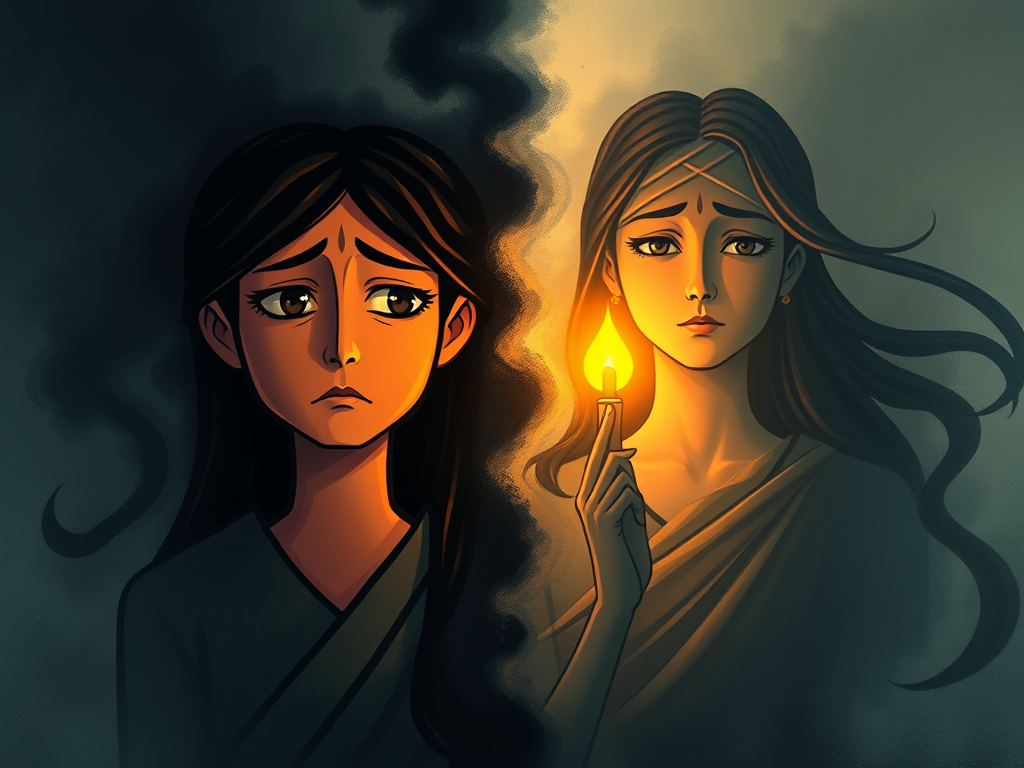
While many treat it as a source of fear, a deeper understanding shows that Kaal Sarp Dosh represents inner imbalance more than external punishment.
Understanding the Concept of Kaal Sarp Dosh
In astrology, Kaal Sarp Dosh occurs when all seven major planets (Sun, Moon, Mars, Mercury, Jupiter, Venus, Saturn) are positioned between Rahu and Ketu, the two lunar nodes.
Rahu represents desire and illusion; Ketu symbolizes detachment and liberation.
When both trap the other planets in alignment, it is said to create a karmic blockage that disturbs energy flow in one’s birth chart.
The name “Kaal Sarp” comes from the Sanskrit Kaal, meaning time or fate, and Sarp, meaning serpent. Symbolically, the serpent of destiny surrounds the native, forcing repeated struggles until spiritual awareness is reached.
The Deeper Symbolism Behind the Fear
Fear around Kaal Sarp Dosh is rooted more in misunderstanding than in astrology.
Ancient astrologers described this condition not as a curse, but as a sign of unresolved karma from past lives or deeply rooted emotional conflicts.
The alignment often points to tendencies such as:
- Overthinking or emotional instability
- Sudden ups and downs in career or finances
- Constant self-doubt or delay in major life achievements
- Feeling trapped despite effort
Rather than fearing the dosh, astrologers interpret it as a call for self-discipline, spiritual awareness, and control over desires.
Common Types of Kaal Sarp Dosh
Depending on the position of Rahu and Ketu, twelve variations of Kaal Sarp Dosh are recognized. Each carries its own emotional or practical challenges.
For example:
- Anant Kaal Sarp Dosh: Creates confusion in relationships and decision-making.
- Kulik Dosh: Causes sudden stress or emotional instability.
- Takshak Dosh: Affects confidence and fear of failure.
- Shankpal Dosh: Involves repeated life changes and uncertainty.
These patterns reflect internal imbalance rather than permanent misfortune.
Impact on Daily Life
Many people report recurring setbacks or delayed success when they have this alignment in their horoscope. It may feel as if life keeps testing them despite their effort.
However, astrology describes this as a period of transformation, not destruction. Those with this alignment often emerge stronger, wiser, and spiritually inclined once they accept the lessons of patience and self-control.
Remedies and Balancing Practices
Astrologers recommend several spiritual and practical ways to reduce the negative influence of Kaal Sarp Dosh. The focus is on harmony, not superstition.
- Kaal Sarp Puja: Performed at temples like Trimbakeshwar (Nashik) or Ujjain to balance Rahu-Ketu energies.
- Mantra Recitation: Chanting the Mahamrityunjaya Mantra or the Rahu-Ketu Shanti Mantra helps calm mental turbulence.
- Charitable Acts: Donating food or clothes on Nag Panchami and helping underprivileged people is believed to neutralize karmic debt.
- Wearing Gemstones: Some astrologers suggest Gomed (Hessonite) for Rahu and Cat’s Eye (Lehsunia) for Ketu, only under professional guidance.
- Meditation and Self-discipline: The most effective remedy lies in mindfulness, control over desires, and grounding energy through daily meditation.
These actions reduce psychological fear and build emotional strength.
Rational and Modern Interpretation
Modern astrologers and psychologists often explain Kaal Sarp Dosh as a symbol of imbalance and psychological conflict, rather than a literal curse.
It mirrors moments in life when effort seems futile, yet transformation quietly occurs beneath struggle.
Instead of seeing it as punishment, it can be viewed as a phase of growth, teaching resilience, surrender, and faith in timing.
Kaal Sarp Dosh represents imbalance, not doom. It is a reminder that even in adversity, personal transformation is possible. Fear only strengthens its effect; awareness weakens it.
Whether approached spiritually or psychologically, this alignment teaches that time (Kaal) itself is the greatest teacher, and no serpent (Sarp) can hold a person who walks the path of awareness.
FAQs
Can Kaal Sarp Dosh stop success completely?
No, it may delay progress, but it never stops it. Hard work and self-belief overcome planetary challenges.
Can Kaal Sarp Dosh be removed permanently?
It cannot be erased, but rituals and discipline help reduce its negative influence.
Can a person with this dosh live a normal life?
Yes, many successful people have this alignment and thrive through persistence and balance.
Can faith and meditation reduce its effects?
Yes, regular spiritual practice and calmness reduce its psychological and energetic impact.
Can astrology help understand life lessons from this dosh?
Yes, an experienced astrologer can interpret the alignment as a guide for personal and spiritual growth.
Author


Discover more from Southwala
Subscribe to get the latest posts sent to your email.