Southwala Shorts
- Aloe vera is best known for soothing skin burns and adding a touch of green to our homes.
- But in traditional belief systems like Vastu Shastra in India and Feng Shui in China, aloe vera is more than just a plant – it’s...
- Both systems suggest that the placement of plants in our homes can influence the flow of energy.
- Let’s explore what these ancient sciences say about aloe vera and whether keeping it can really bring good luck.

Aloe Vera in Vastu and Feng Shui Does It Bring Good Luck?
Aloe vera is best known for soothing skin burns and adding a touch of green to our homes. But in traditional belief systems like Vastu Shastra in India and Feng Shui in China, aloe vera is more than just a plant – it’s a living symbol of protection, good fortune, and health.
Both systems suggest that the placement of plants in our homes can influence the flow of energy. Let’s explore what these ancient sciences say about aloe vera and whether keeping it can really bring good luck.
Aloe Vera in Vastu Shastra
Vastu Shastra, the ancient Indian science of architecture and placement, believes that plants can attract positive energy and block negativity. Aloe vera is considered a “protective plant” in Vastu.
Symbolism in Vastu
- Represents healing and renewal due to its medicinal properties.
- Believed to absorb negative vibrations from visitors entering your home.
- Associated with prosperity and longevity when placed in the right direction.
Best Placement in Vastu
- Keep aloe vera near the entrance or in the north or east direction for maximum positivity.
- Avoid placing it in the bedroom, as Vastu suggests plants with strong energy may disrupt sleep.
Aloe Vera in Feng Shui
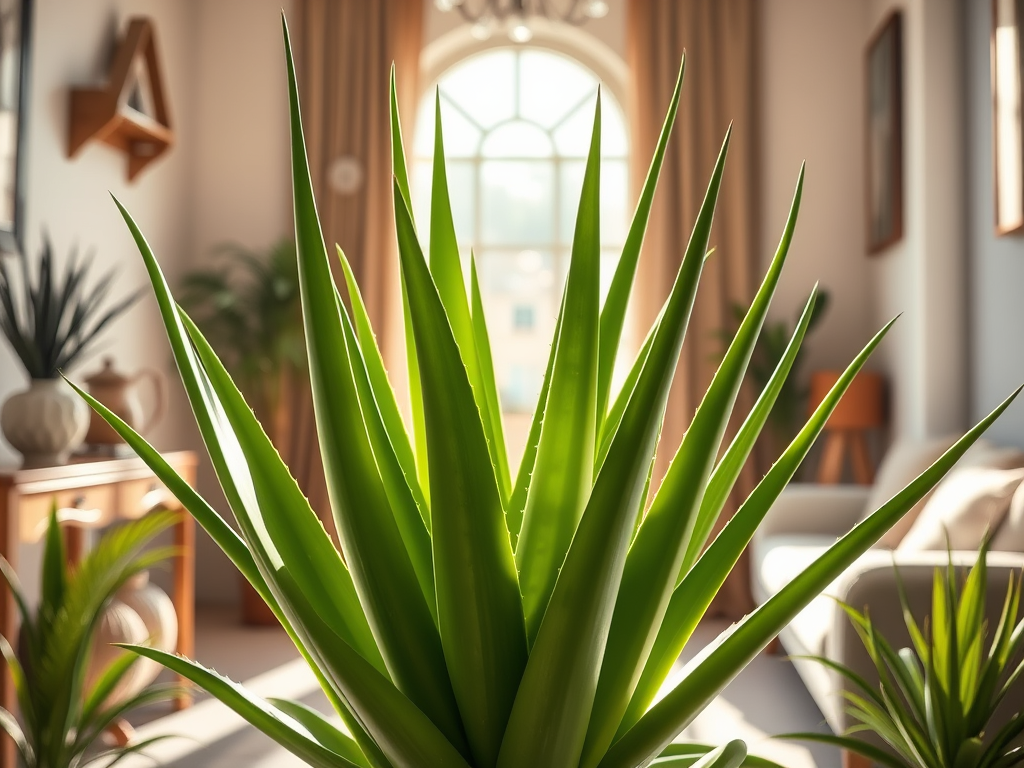
Feng Shui, the Chinese art of balancing energy in living spaces, also gives importance to plant placement. Aloe vera is valued for its spiky leaves, which are believed to ward off negative chi (energy).
Symbolism in Feng Shui
- Spikes act as a protective shield against harmful intentions or bad energy.
- Considered a plant of resilience and growth, encouraging stability in career and finances.
- Its vibrant green colour attracts vitality and fresh energy into the home.
Best Placement in Feng Shui
- Place aloe vera near the front door to keep away negative chi.
- In the wealth area (southeast corner of your home) to support financial growth.
- In the health area (east side) to encourage well-being.
Practical Benefits That Align with Both Beliefs
Apart from symbolism, aloe vera genuinely improves your living environment:
- Air Purification: Helps remove toxins and freshens air quality.
- Low Maintenance: Survives with minimal care, making it perfect for busy households.
- Natural Healing: The gel soothes burns, cuts, and skin irritation, aligning with the “healing energy” concept in both traditions.
Does It Really Bring Good Luck?
While science may not directly prove “luck,” both Vastu and Feng Shui agree that plants like aloe vera create a healthier, more positive space. Whether you believe in the energy flow or not, a fresh, thriving aloe plant at your doorstep or in the right zone of your home can improve your environment and a fresh, happy mind often attracts good fortune.
FAQs
Is aloe vera suitable for indoor placement?
Yes, it thrives indoors with indirect sunlight.
Can aloe vera be kept in the bedroom?
Vastu advises against it; Feng Shui allows it if it’s small and well maintained.
How often should aloe vera be watered?
Every 2 3 weeks, or when the soil is dry.
Does aloe vera work as an insect repellent?
Yes, its scent and gel properties deter some pests.
Can a dried aloe plant bring bad luck?
Both systems suggest removing dead or dried plants to avoid stagnant energy.
Author


Discover more from Southwala
Subscribe to get the latest posts sent to your email.