Southwala Shorts
- If you have a dog, you might have noticed this.
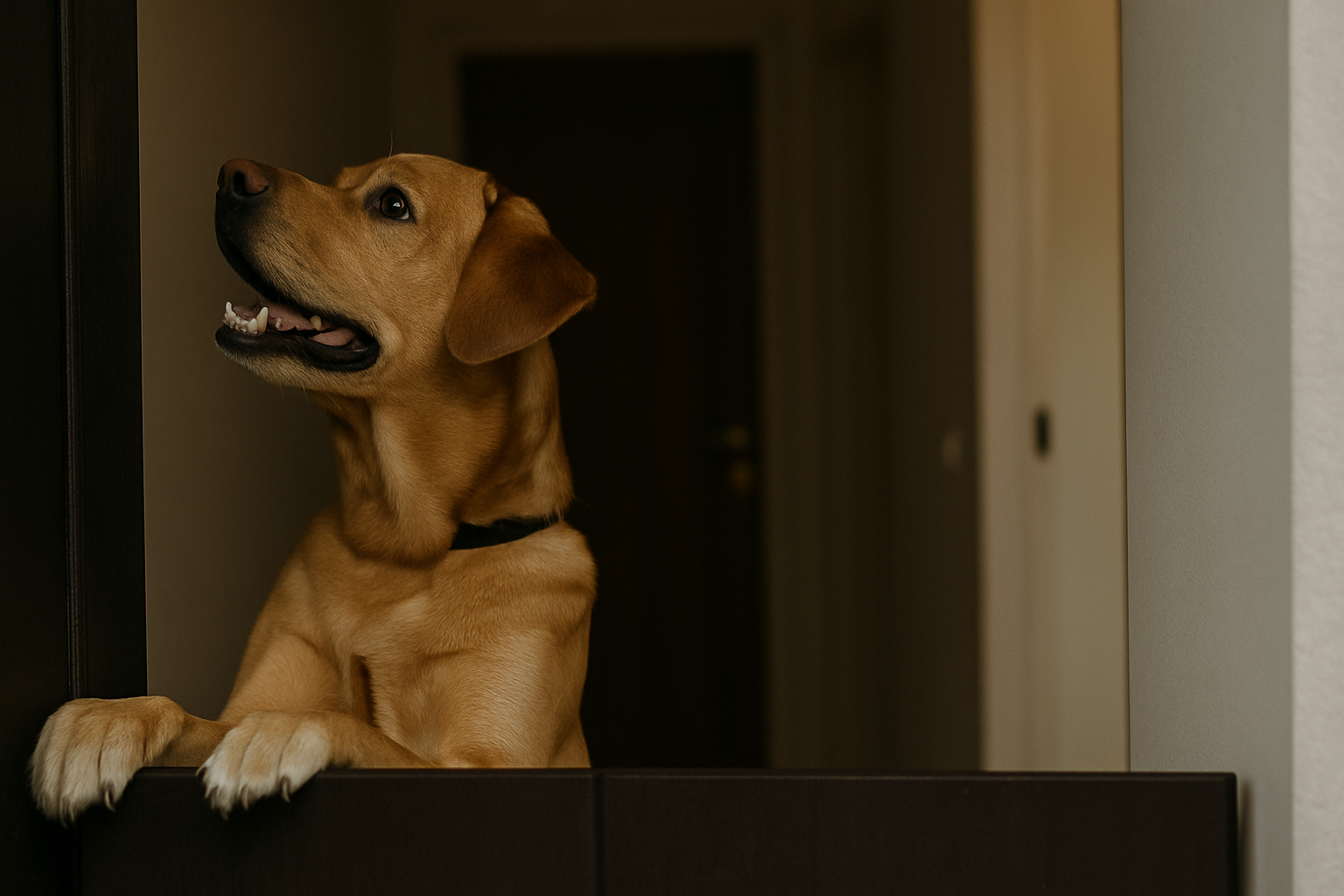
- No matter when you return, your dog is often waiting near the door, tail wagging, looking excited.
- It feels like they somehow knew you were coming.
- It is a mix of science, habit and a strong emotional bond.

Highlights
- Dogs sense your return using smell, sound and routine.
- Science shows dogs can measure time through changes in scent.
- Emotional bonding makes them react before you reach the door.
- Thousands of years of living with humans have sharpened these instincts.
- It is not magic but a mix of biology and love.
If you have a dog, you might have noticed this. No matter when you return, your dog is often waiting near the door, tail wagging, looking excited. It feels like they somehow knew you were coming. It is not magic. It is a mix of science, habit and a strong emotional bond.
How Science Explains It
Studies show that dogs can measure time in a unique way. One study by Northwestern University found that dogs sense your arrival based on changes in your scent. When you leave home, your scent is strong. As hours pass, it slowly fades. Dogs use this fading scent as a natural clock. When the smell reaches a certain low level, they know it is close to the time you usually return.
Role of Sound and Routine
Dogs have sharp hearing and can pick up familiar sounds from far away. This can be the sound of your car, the way your footsteps echo in the hallway, or even the sound of a nearby bus that usually passes before you arrive.
Routine also plays a role. If you return home around the same time each day, your dog’s body clock begins to expect you. Even changes in daylight or temperature can become clues for them.
Love Makes the Difference
Apart from smell and sound, love is a big reason for their accuracy. A study published in the journal Science showed that when dogs see their owners, their levels of oxytocin, also called the love hormone, increase. The same thing happens to humans when they meet someone they love. This deep connection keeps dogs more alert to your arrival than to anyone else’s.
A Skill From the Past
Thousands of years ago, dogs learned to read human signals for survival. Knowing when their human partners returned meant food, safety and protection. Over time, this skill has become part of their natural behaviour. Today, it shows up as your dog rushing to greet you.
When the Sense Becomes Stronger
Some owners notice that their dogs become even better at predicting their arrival during stressful times. Dogs are sensitive to changes in our emotions. If you are stressed, your body scent and energy can change slightly. Even before you enter the house, your dog may pick up on it through open windows or under the door.
It Is Not Just About Coming Home
The same skills help dogs find you in a park, spot you in a crowd, or know when visitors are about to arrive. These abilities are part of why dogs have been close companions to humans for thousands of years.
How You Can Make the Bond Stronger
- Keep a regular routine so they can learn your pattern.
- Play scent games at home to keep their nose sharp.
- Reward them when they greet you calmly.
- Spend quality time together every day.
FAQs
1. Do dogs sense everyone’s arrival or only their owner’s?
Usually only the person they are most attached to.
2. Do cats have this ability?
Cats can recognise sounds and smells, but dogs are generally more accurate with human routines.
3. Why does my dog not greet me at the door?
It may be because of age, hearing problems or simply being busy when you arrive.
4. Can dogs smell from very far away?
Yes. In the right conditions, trained dogs can smell scents up to 12 miles away.
5. Does breaking routine confuse dogs?
Yes. Sudden changes can confuse them but most adjust with time and reassurance.
Author


Discover more from Southwala
Subscribe to get the latest posts sent to your email.