Southwala Shorts
- Birds are admired for their beauty, colors, and songs.
- Across cultures, they are also seen as messengers of fortune and symbols of peace.
- In India, Vastu Shastra highlights certain birds as lucky, while in Chinese Feng Shui, birds are linked to harmony and prosperity.
- But the question remains, which bird is truly lucky to keep at home?

Birds are admired for their beauty, colors, and songs. Across cultures, they are also seen as messengers of fortune and symbols of peace. In India, Vastu Shastra highlights certain birds as lucky, while in Chinese Feng Shui, birds are linked to harmony and prosperity.
But the question remains, which bird is truly lucky to keep at home? The answer depends on cultural values, symbolism, and, importantly, how well one cares for them.
Birds Considered Lucky in Indian Traditions
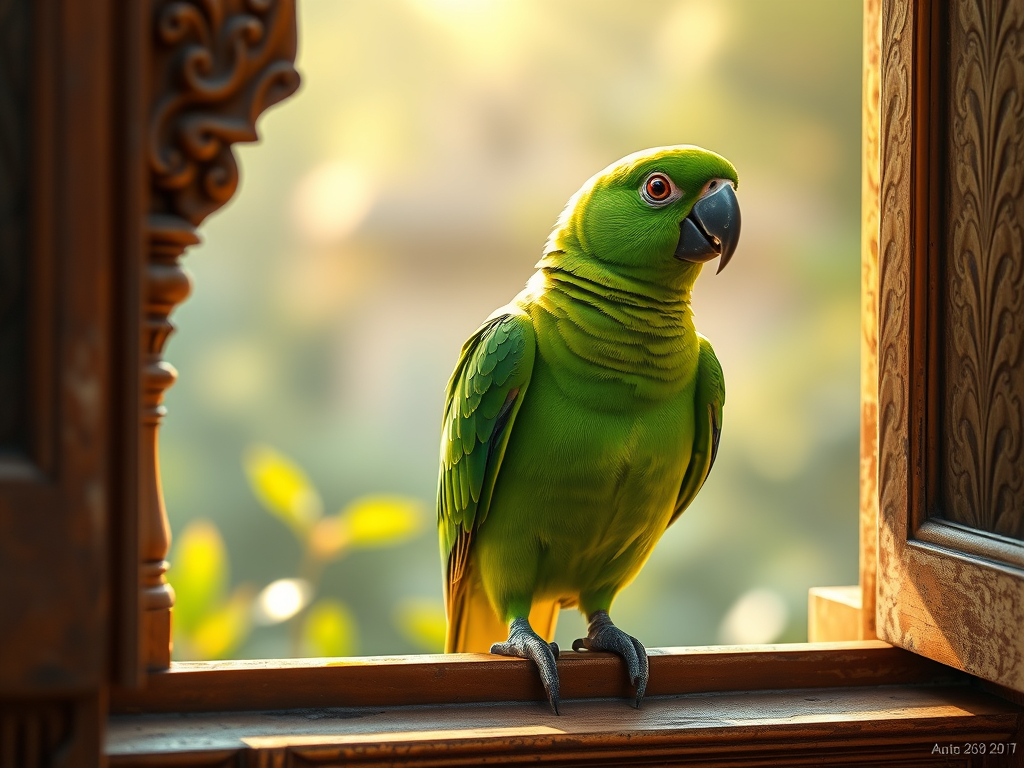
Parrots
- In Indian households, parrots are often linked to love, positivity, and strong communication.
- Vastu Shastra suggests that keeping a parrot, especially a green parrot, brings good fortune and strong relationships.
- The parrot is also associated with Kamadeva, the god of love, in Indian mythology.
Peacocks
- The national bird of India is considered a symbol of beauty, protection, and prosperity.
- In Hindu tradition, the peacock is associated with Lord Kartikeya and Goddess Saraswati.
- Its feathers are often kept at home as a symbol of luck, though keeping live peacocks requires legal permissions.
Swans
- Swans symbolize purity and wisdom.
- In Hindu scriptures, the swan (hamsa) is associated with Goddess Saraswati, representing knowledge and enlightenment.
Doves and Pigeons
- Doves are seen as symbols of peace and harmony.
- White pigeons or doves are often linked with new beginnings and positive energy.
Birds in Feng Shui and Other Traditions
Cranes
- In Feng Shui, cranes symbolize longevity and health.
- They are often placed as images or figurines in homes for good luck.
Lovebirds
- As their name suggests, lovebirds are connected to romance and partnership.
- They are believed to strengthen the bond between couples when kept in pairs.
Phoenix (Mythical Bird)
- While not a real bird, the phoenix in Chinese tradition symbolizes rebirth, renewal, and prosperity.
- Decorative phoenix images are considered lucky for homes.
Which Bird Is Most Commonly Seen as Lucky?
Among all the birds, the parrot is often highlighted as the luckiest bird to keep at home, especially in Indian households.
- A green parrot is said to attract prosperity and strengthen communication within families.
- Its presence is believed to reduce stress and promote cheerful energy.
- However, parrots need regular care, attention, and interaction.
Ethical and Legal Considerations
While many cultures talk about lucky birds, it is important to remember:
- Legal Restrictions
- In India, several native birds (like peacocks and mynas) are protected under the Wildlife Protection Act. Keeping them without permission is illegal.
- Well-being of Birds
- Birds are living beings with instincts. Keeping them in small cages without proper care is unethical.
- If one wishes to keep a bird, it should be from a domesticated, non-endangered species and provided with enough space, food, and medical attention.
- Alternative Approach
- For those who do not want to keep birds at home, pictures, paintings, or decorative symbols of lucky birds can also bring positive energy, according to Vastu and Feng Shui.
Care Tips for Keeping Birds at Home
If you choose to keep a bird, here are some basic care practices:
- Provide a spacious cage with enough room to stretch and fly short distances.
- Fresh food and water daily, with a diet suitable for the species.
- Regular cleaning of the cage to maintain hygiene.
- Veterinary care for checkups and emergencies.
- Mental stimulation with toys and interaction to prevent boredom.
- Respect natural light and sleep cycles, as birds are sensitive to changes.
When properly cared for, birds not only bring symbolic luck but also joy through their companionship.
Cultural Stories About Lucky Birds
- In Indian folklore, parrots were considered messengers of the gods.
- In Chinese art, pairs of lovebirds symbolize a happy marriage.
- In Christianity, the dove represents the Holy Spirit and peace.
- In Japanese culture, cranes are celebrated as lucky birds that bring health and longevity.
These stories show that the idea of “lucky birds” is universal, though the specific bird may vary.
FAQs about which bird is lucky to keep at home
1. Which bird is considered most lucky in India?
Parrots are considered the luckiest birds in Indian tradition, linked with love, prosperity, and communication.
2. Is it legal to keep peacocks at home in India?
No. Peacocks are protected under the Wildlife Protection Act and cannot be kept as pets without special permission.
3. Can I keep pigeons or doves at home for luck?
Yes, doves and pigeons are seen as symbols of peace. However, they need proper care and space.
4. What if I don’t want to keep a bird?
You can keep bird paintings, images, or decorative items (such as peacock feathers or Feng Shui symbols) to attract positivity.
5. Are lovebirds really lucky for couples?
Yes. In many traditions, keeping a pair of lovebirds is believed to strengthen harmony in relationships.
Author


Discover more from Southwala
Subscribe to get the latest posts sent to your email.