Southwala Shorts
- For thousands of years, humans and dogs have shared something rare in nature, like a partnership built not just on survival but on emotion, intelligence,...
- While most species evolved either to compete or coexist, humans and dogs co-evolved.
- That means both species shaped each other’s evolution over time.
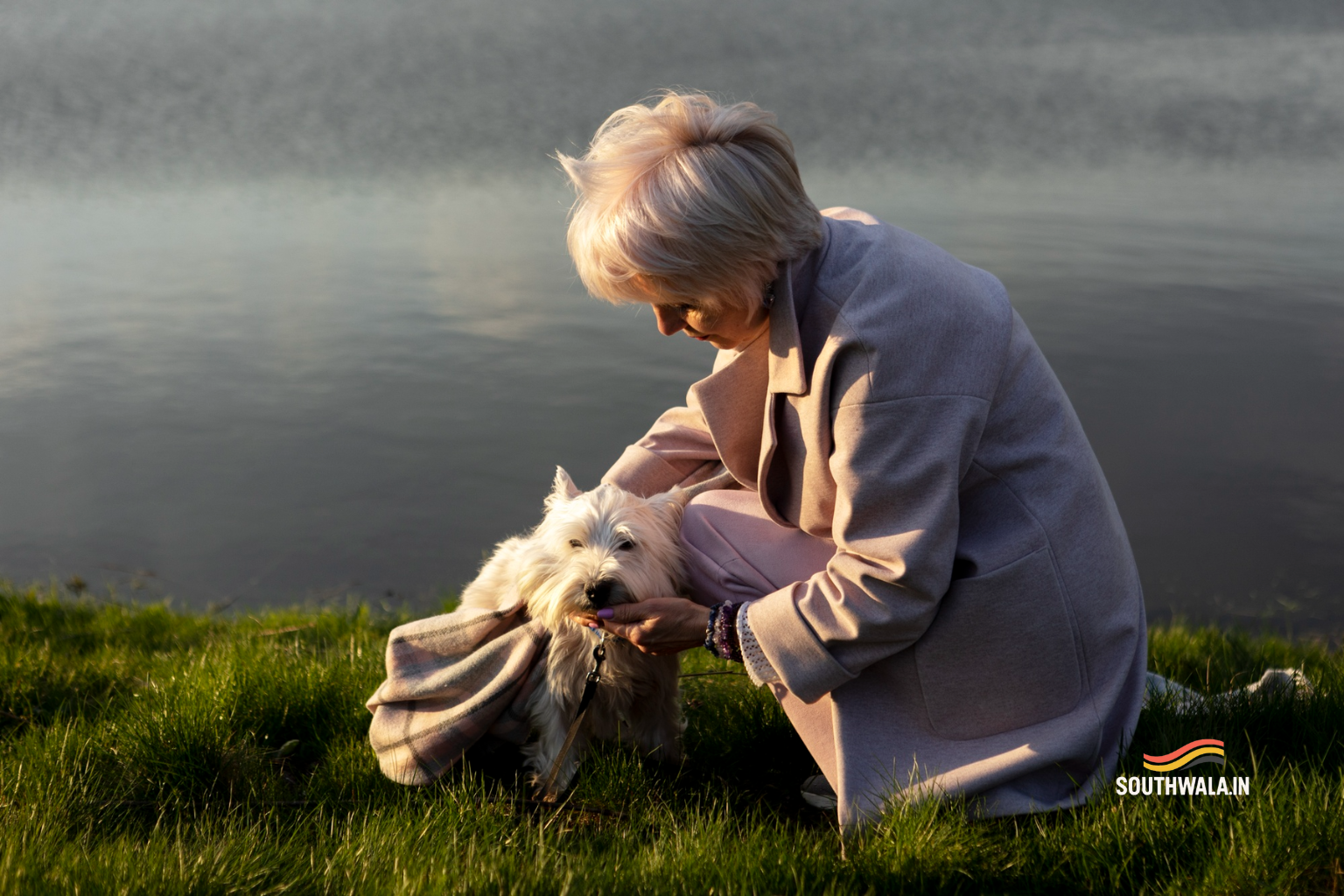
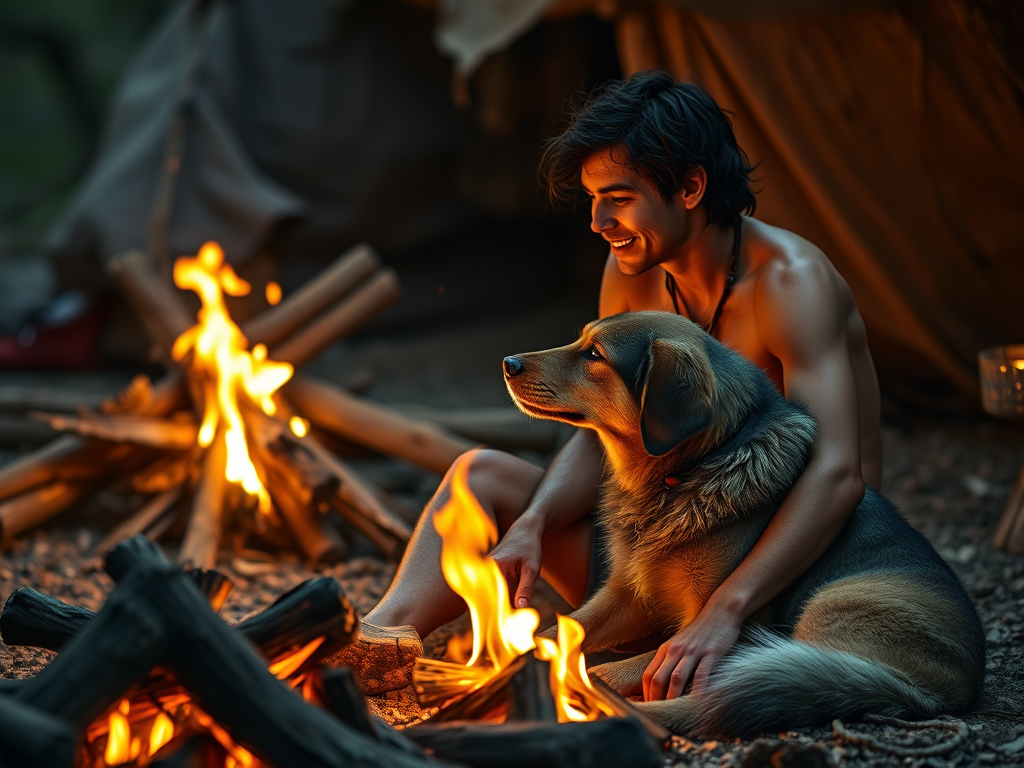
- From wolves lurking near prehistoric campfires to therapy dogs comforting patients in modern hospitals, this bond has transcended mere domestication.

For thousands of years, humans and dogs have shared something rare in nature, like a partnership built not just on survival but on emotion, intelligence, and mutual trust. While most species evolved either to compete or coexist, humans and dogs co-evolved. That means both species shaped each other’s evolution over time.
From wolves lurking near prehistoric campfires to therapy dogs comforting patients in modern hospitals, this bond has transcended mere domestication. It’s one of the most successful biological alliances in evolutionary history.
From Wild Wolves to Loyal Companions
The story begins nearly 20,000 to 40,000 years ago, when wolves first started scavenging near human campsites. The less aggressive wolves benefited from human waste and leftovers, while humans gained an alert system against predators.
Over generations, these wolves evolved into dogs that could read human emotions, follow gestures, and respond to vocal tones. This wasn’t forced domestication; it was natural selection shaped by cooperation.
The wolves that were friendlier to humans survived longer because they received food and protection. Humans, in return, gained allies with sharp senses, hunting skills, and fierce loyalty.
The Evolutionary Exchange
The human-dog relationship evolved through a series of practical exchanges that later turned emotional.
- Food for Protection: Early humans provided scraps; dogs guarded camps.
- Tracking and Hunting: Dogs helped track prey, increasing hunting success rates by nearly 50%.
- Warning System: Their acute hearing alerted humans to approaching danger long before human senses could detect it.
- Warmth and Companionship: During the Ice Age, sleeping beside dogs offered warmth and comfort.
Over time, these exchanges created a biological partnership not a master-pet dynamic, but a mutual survival contract written in instincts.
The Science of Emotional Bonding
Research in behavioral neuroscience shows that when humans and dogs interact through eye contact or touch, both release oxytocin, the “love hormone.” This is the same chemical that bonds mothers with infants.
Studies by the University of Tokyo and Emory University reveal that dogs can interpret human facial expressions and emotional tones far better than any other non-human species. In turn, humans evolved to read canine cues a raised brow, a wagging tail, and a soft whimper, with remarkable accuracy.
In evolutionary terms, this emotional synchrony strengthened cooperation and deepened trust between species.
Communication Beyond Words
Humans and dogs share a unique ability for cross-species communication without language. Dogs respond to gestures, eye movement, and tone skills, even chimpanzees, our closest relatives, struggle to master.
For example, if a person points at an object, most animals ignore the gesture, but a dog will look at the object being pointed to. This indicates a rare cognitive empathy understanding another species intent.
This ability is the result of millennia of co-evolution, where dogs adapted to human signals as part of their survival strategy.
Dogs as Early Human Technology
Long before agriculture or tools evolved, dogs were humanity’s first form of adaptive technology.
They:
- Increased hunting efficiency
- Reduced risks of predator attacks
- Helped with herding once livestock appeared
- Enhanced social cohesion within tribes
Archaeological records show that communities with dogs had higher survival rates and better resource stability. Dogs effectively extended human sensory and physical capabilities, a natural enhancement long before machines existed.
The Modern Role: From Utility to Emotional Intelligence
As humans urbanized, dogs adapted again from hunters to healers.
Modern dogs now serve roles that rely on emotional and social intelligence rather than physical labor:
- Therapy dogs reduce anxiety and depression in hospitals and disaster zones.
- Service dogs guide the visually impaired and assist with PTSD or autism.
- Rescue dogs detect survivors under rubble or snow using their advanced olfactory systems.
Evolution trained dogs to read human emotion; modern society turned that skill into therapy.
Biological Mirroring: How Humans Changed Too
The partnership wasn’t one-sided. Humans also evolved through this relationship.
Over generations, humans developed softer social traits, cooperation, empathy, and group protection, partly reinforced by canine companionship.
Some researchers argue that domestication changed humans as much as it changed dogs. As people nurtured dogs, they also reinforced nurturing behaviors within themselves, shaping social bonding and emotional intelligence.
This may explain why dog owners show lower blood pressure, reduced stress, and higher oxytocin levels. Our biology still rewards connection with dogs, just as it did millennia ago.
Evolution’s Perfect Partnership
Few species on Earth share a story as intertwined as humans and dogs. Unlike domesticated animals bred for utility cows for milk, horses for transport, dogs evolved as partners.
This alliance is not about ownership but about co-dependence. Humans became better hunters, protectors, and social beings; dogs became more intuitive, cooperative, and empathetic.
In an evolutionary sense, both species engineered each other’s survival, a biological friendship written into our DNA.
The human-dog relationship is more than emotional companionship. It’s an evolutionary alliance that redefined survival, communication, and empathy. Across thousands of years, dogs helped humans evolve not just as hunters or builders but as social beings capable of compassion and connection.
The story continues every wag, every gaze, every loyal gesture is a reminder that evolution’s greatest partnership wasn’t built in labs or cities, but around ancient campfires where trust was first exchanged.
FAQs
1. How can dogs understand human emotions so accurately?
Dogs evolved to read facial expressions, voice tones, and gestures because it helped them survive alongside humans.
2. How can living with dogs affect human health?
Interaction with dogs increases oxytocin levels, lowers stress hormones, and improves cardiovascular health.
3. How can humans and dogs communicate without words?
Dogs interpret gestures, eye direction, and tone, while humans read their tail movement, posture, and expressions as a shared emotional language.
4. How can evolution benefit both humans and dogs together?
Humans gained hunting allies and emotional companionship; dogs gained protection, food, and care. Both species evolved toward mutual dependency.
5. How can modern society continue this bond responsibly?
Caring for dogs with respect, ensuring ethical breeding, and integrating them into therapy and community roles sustain this age-old partnership.
Author


Discover more from Southwala
Subscribe to get the latest posts sent to your email.