Southwala Shorts
- Pigeons have lived alongside humans for centuries from carrying royal messages to being symbols of peace.
- In modern times, many people wish to keep pigeons as pets because of their calm nature, intelligence, and strong bond with humans.
- But owning a pigeon requires more than love; it involves understanding care, health, and legal permissions.
- Pigeons are among the oldest domesticated bird species.

Pigeons have lived alongside humans for centuries from carrying royal messages to being symbols of peace. In modern times, many people wish to keep pigeons as pets because of their calm nature, intelligence, and strong bond with humans. But owning a pigeon requires more than love; it involves understanding care, health, and legal permissions.
Pigeons as Domesticated Companions
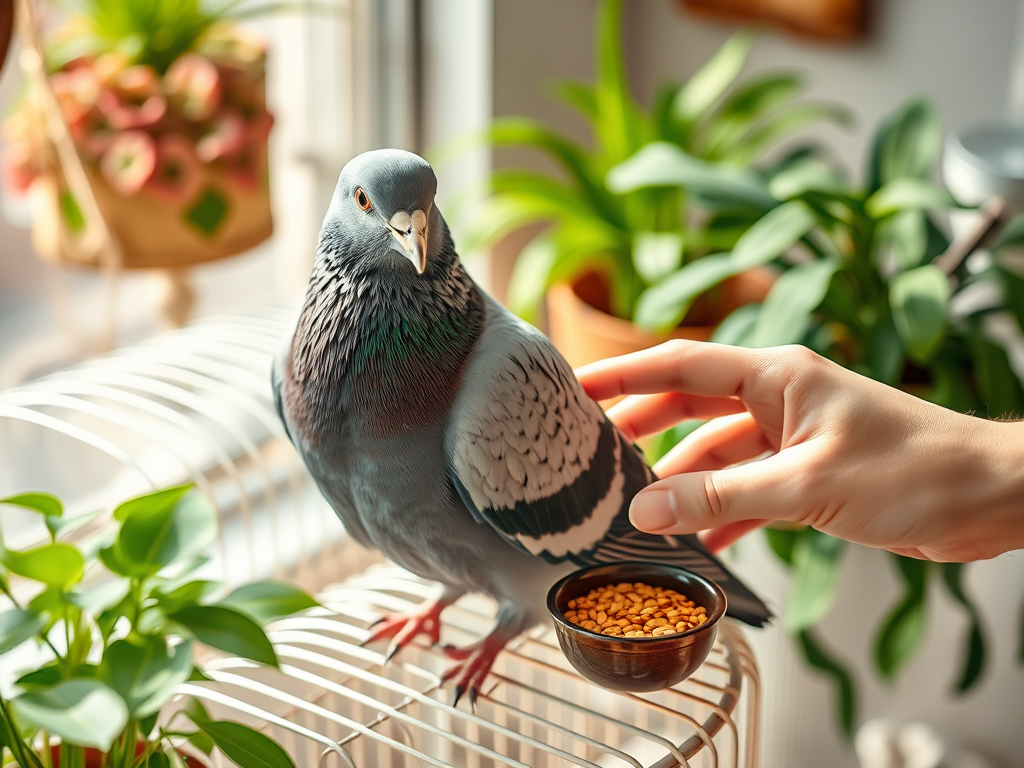
Pigeons are among the oldest domesticated bird species. Breeds such as Homing Pigeons, Fantail Pigeons, and King Pigeons are popular in homes and aviaries. They adapt well to human environments and can recognize owners, respond to feeding routines, and even return home from long distances.
Unlike wild pigeons seen in cities, domestic breeds are raised for companionship, racing, or exhibition. These birds depend fully on humans for food, shelter, and protection from predators.
Legal Permission and Wildlife Rules in India
In India, not all pigeon species can be kept as pets.
- Domesticated or captive-bred pigeons, such as homing or fancy varieties, can be legally owned.
- Wild pigeons like the Blue Rock Pigeon are protected under the Wildlife Protection Act, 1972. Keeping, trapping, or trading them is illegal.
Owners must ensure that their pigeons are obtained through registered breeders and not captured from the wild. In some cases, local municipal rules may also require registration of large bird aviaries.
Globally, similar laws apply. Countries like the USA, UK, and Australia allow domestic pigeon keeping but restrict native wild species under wildlife protection laws.
Care, Feeding, and Habitat
Pet pigeons need a clean, dry, and safe enclosure with proper ventilation and space to fly.
- Diet: A balanced mix of grains, seeds, and fresh water daily. Supplements like grit and calcium help digestion and bone health.
- Hygiene: Regular cleaning of cages or lofts prevents diseases.
- Exercise: Pigeons need flight time or open space to maintain muscle health and mental stimulation.
- Companionship: Pigeons are social birds. Keeping them in pairs or small flocks helps reduce loneliness.
Owners must also protect pigeons from extreme heat, predators like cats, and infections such as Canker, Pigeon Pox, or Salmonella. Regular veterinary checkups are essential.
Emotional Bond and Human Interaction
Pigeons form strong emotional connections with humans. Many recognize faces, follow owners, and respond to gentle calls. Their intelligence allows them to learn feeding times and even basic training commands.
Keeping a pigeon as a pet brings calmness and companionship. However, pigeons thrive best when treated with respect, space, and consistent care, not as decorative animals but as intelligent companions.
Ethical Responsibility
Having a pigeon as a pet is not just a hobby; it is a long-term commitment.
- Average lifespan ranges from 10 to 15 years, sometimes longer in captivity.
- Owners must never release domestic pigeons into the wild; they cannot survive without care.
- Buying from illegal bird markets encourages wildlife exploitation. Ethical adoption or licensed breeders should be the only source.
Respecting nature and following ethical practices ensures that pigeon keeping remains a responsible activity, not an act of cruelty.
Keeping pigeons as pets is legal and rewarding when done responsibly. Domesticated varieties adapt well to humans and can live long, peaceful lives under care. However, capturing or keeping wild species remains a legal offence.
Pigeons symbolize peace and love, and owning one should reflect those very values.
FAQs
Can pigeons live indoors?
Yes, but they need adequate space, cleanliness, and ventilation.
Can wild pigeons be kept as pets?
No, wild pigeons are protected under the law and cannot be captured or kept.
Can pigeons recognize owners?
Yes, they can recognize human faces and respond to familiar voices.
Can pigeons survive without care once released?
No, domesticated pigeons depend on humans for food and safety.
Can pigeons make good companions for children?
Yes, they are gentle, calm, and easy to care for under adult supervision.
Author


Discover more from Southwala
Subscribe to get the latest posts sent to your email.