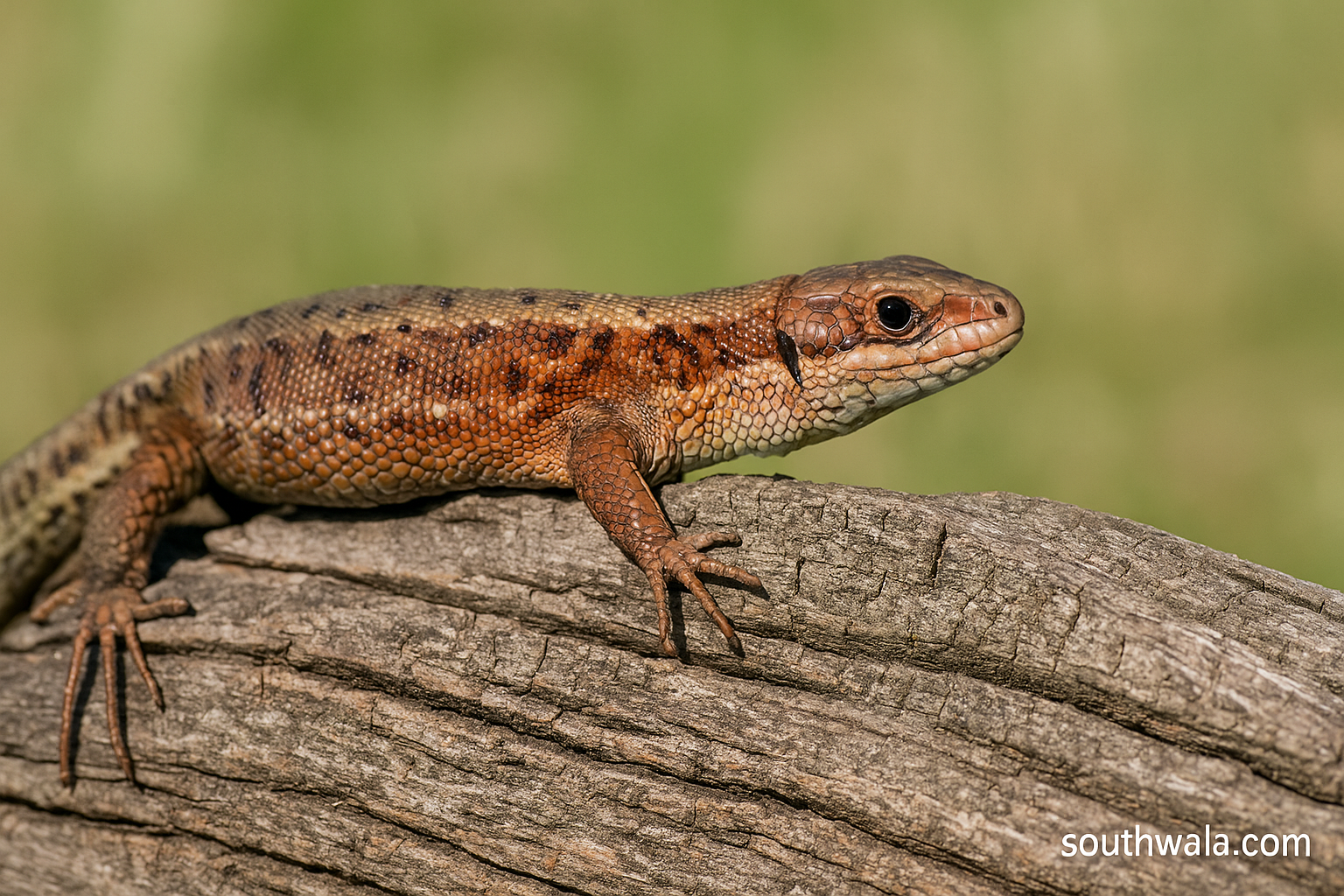
Southwala Shorts
- Lizards are among the most adaptable creatures on Earth.
- You can find them in deserts, forests, gardens, and even inside houses.
- We see them often, but very few people know about the fascinating abilities they have.
- These abilities are not just random tricks they are powerful survival tools shaped by nature.

Lizards are among the most adaptable creatures on Earth. You can find them in deserts, forests, gardens, and even inside houses. We see them often, but very few people know about the fascinating abilities they have. These abilities are not just random tricks they are powerful survival tools shaped by nature. Let’s explore 12 surprising things lizards can do.
1. Drop Their Tail to Escape Predators
When threatened, certain lizards can detach their tail on purpose. This is called autotomy. The tail keeps wriggling for several seconds, confusing the predator and giving the lizard time to run to safety.
2. Regrow Their Tail Over Time
Many lizards can grow back a tail after losing it. The new tail may look slightly different from the original, but it restores balance and helps with movement. This process can take weeks or even months.
3. Walk or Run on Water
The basilisk lizard, often called the “Jesus lizard,” can dash across the surface of water for several meters. Its long toes and lightweight body create tiny air pockets that stop it from sinking.
4. Change Color for Survival
Chameleons are famous for changing color. This is not just for camouflage. They also change colors to control their body temperature and to communicate with other chameleons.
5. See in Two Directions at the Same Time
Chameleons have eyes that move independently. This means they can scan for prey with one eye while watching out for predators with the other.
6. Survive for Weeks Without Food
Some lizards can slow down their body processes to save energy. During harsh conditions, they can survive for several weeks without eating, relying only on stored energy reserves.
7. Absorb Oxygen Through Their Skin
While most lizards breathe through their lungs, some aquatic species can also absorb small amounts of oxygen through their skin when underwater. This helps them stay submerged longer.
8. Drink Water Through Their Skin
Desert-dwelling lizards like the thorny devil can collect dew or rainwater on their skin. Tiny grooves in their skin direct the water straight into their mouth, helping them survive in dry climates.
9. Pretend to Be Dead to Avoid Danger
Some species use a defense trick called thanatosis, or “playing dead.” They stay still and limp so the predator loses interest, thinking the lizard is already dead.
10. Sprint at Surprising Speeds
Certain lizards, such as the spiny-tailed iguana, can sprint at speeds of up to 20 km/h. This quick burst of speed helps them escape predators and catch prey.
11. Swim Like a Professional
Monitor lizards and marine iguanas are skilled swimmers. They can hold their breath underwater for several minutes and use their tails like paddles to move smoothly through water.
11. Swim Like a Professional
Monitor lizards and marine iguanas are skilled swimmers. They can hold their breath underwater for several minutes and use their tails like paddles to move smoothly through water.
Lizards are living examples of nature’s creativity. Every ability they have from dropping their tail to climbing glass has a purpose in their survival. The next time you see one, remember that you are looking at a tiny creature packed with millions of years of evolutionary engineering.
FAQs
1. Can all lizards regrow their tails?
No, only some species can. Others lose their tails permanently.
2. How do geckos stick to walls?
They use microscopic hairs on their feet that create a strong grip even on smooth surfaces.
3. Do lizards harm humans?
Most lizards are harmless and prefer to stay away from people.
4. How long do lizards live?
It depends on the species. Some live only a few years, while others can live up to 20 years.
5. Can lizards hear well?
Yes, but their hearing is tuned to certain sounds and vibrations.
Author


Discover more from Southwala
Subscribe to get the latest posts sent to your email.