Southwala Shorts
- A quiet transformation is already reshaping the internet.
- In the next few years, most of the videos we see on social media will not be shot with cameras but created entirely by artificial...
- This is not just another tech trend; it is a new media revolution.
- AI-generated videos are changing how stories are told, how creators work, and how brands connect with audiences.

A quiet transformation is already reshaping the internet. In the next few years, most of the videos we see on social media will not be shot with cameras but created entirely by artificial intelligence. This is not just another tech trend; it is a new media revolution. AI-generated videos are changing how stories are told, how creators work, and how brands connect with audiences. The shift will redefine entertainment, news, marketing, and even personal communication.
The Rise of Synthetic Storytelling
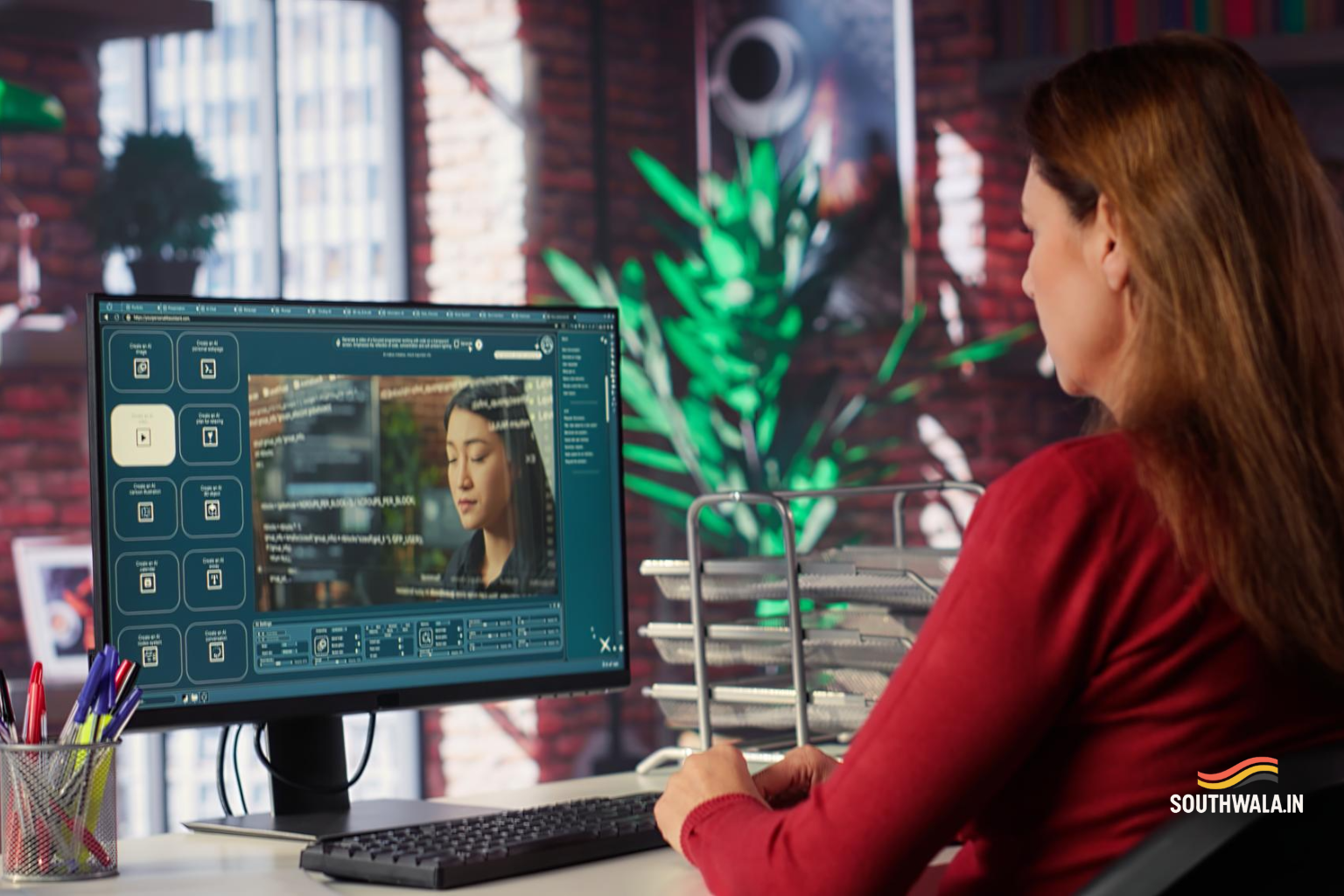
AI is now capable of producing realistic faces, voices, and scenes from simple text prompts. Platforms like Runway, Synthesia, Pika, and HeyGen can generate high-quality videos in minutes. A person can type “a teacher explaining solar energy in a classroom” and get a full video with visuals, narration, and background music. This is not just faster but also cheaper compared to traditional production. For creators who once needed a camera crew and editors, AI is a digital film studio inside a laptop.
In India, regional content creators are already experimenting with AI to create short films, explainer videos, and news clips in multiple languages. For example, small YouTube channels are producing daily news updates using AI anchors that speak in perfect Tamil or Hindi without needing human recording. This makes daily content creation possible even for those with zero video production skills.
The Democratization of Video Creation
For years, social media favored those with access to resources cameras, studios, editors, and influencers. AI removes that barrier. Anyone can now generate professional-looking videos from home. A teacher can explain complex topics using AI avatars, a farmer can share updates in the local language using voice synthesis, and small businesses can promote products without hiring agencies. This democratization of creativity will flood the internet with new voices and perspectives that were earlier left out due to cost and technical limits.
The Speed Factor in the Attention Economy
Social media thrives on speed. The faster a creator publishes, the better the engagement. AI fits perfectly into this cycle. Instead of taking days to plan and edit, a creator can now generate multiple video versions instantly, one for Instagram, one for YouTube Shorts, and one for local audiences with voice translation. AI also personalizes videos for viewers based on age, region, or interest. In an attention economy where relevance changes every hour, AI-driven production becomes the most efficient survival tool.
The New Face of Influence
AI avatars are emerging as the next generation of influencers. Virtual personalities can interact, host shows, or represent brands without fatigue or controversy. Japan and South Korea already have AI pop stars and digital presenters with millions of followers. In India, early examples are appearing in edtech, entertainment, and e-commerce sectors where AI hosts explain products or read headlines. These virtual figures can speak multiple languages, maintain a consistent tone, and never miss deadlines.
Challenges of Authenticity and Ethics
Every revolution brings new risks. The biggest concern around AI videos is misinformation. Deepfakes and synthetic news clips can spread false narratives faster than ever. The line between real and fake content is getting blurred. Platforms and regulators will need strict labeling rules, verification systems, and watermarking technologies to maintain trust. Another challenge is creativity itself. As AI takes over production, human originality and emotional depth risk being overshadowed by algorithmic repetition. Balancing automation with authenticity will decide the long-term future of this revolution.
In the coming decade, AI-generated video will become as common as smartphone photography today. Businesses will use it for marketing, educators for learning content, and individuals for personal storytelling. The next wave of social media growth will come not from new platforms but from new forms of content creation. Just as smartphones turned everyone into photographers, AI will turn everyone into filmmakers. The next revolution is not about watching videos; it is about generating them.
FAQs
1. Why are AI-generated videos becoming popular on social media
Because they allow creators to produce professional content faster, cheaper, and in multiple languages without needing cameras or editing tools.
2. Why is AI video creation seen as a revolution for small creators
It breaks traditional barriers and allows anyone with ideas to compete with large production houses using only text-based tools.
3. Why do brands see value in AI video production
Brands can create personalized ads, explainers, and influencer-style content in different languages at scale and at a fraction of the cost.
4. Why does AI video creation raise ethical concerns
Deepfakes and synthetic media can be misused to spread false information or manipulate public opinion without clear identification.
5. Why will AI-generated videos shape the future of content
They combine speed, personalization, and accessibility, allowing people everywhere to create stories that were once impossible without professional studios.
Author


Discover more from Southwala
Subscribe to get the latest posts sent to your email.