Southwala Shorts
- In-Vitro Fertilization (IVF) is a scientific and emotional journey that helps couples conceive when natural pregnancy becomes difficult.
- One of the most important steps in IVF is selecting the sperm used to fertilize the egg.
- The choice depends on the couple’s fertility health, medical history, and genetic background.
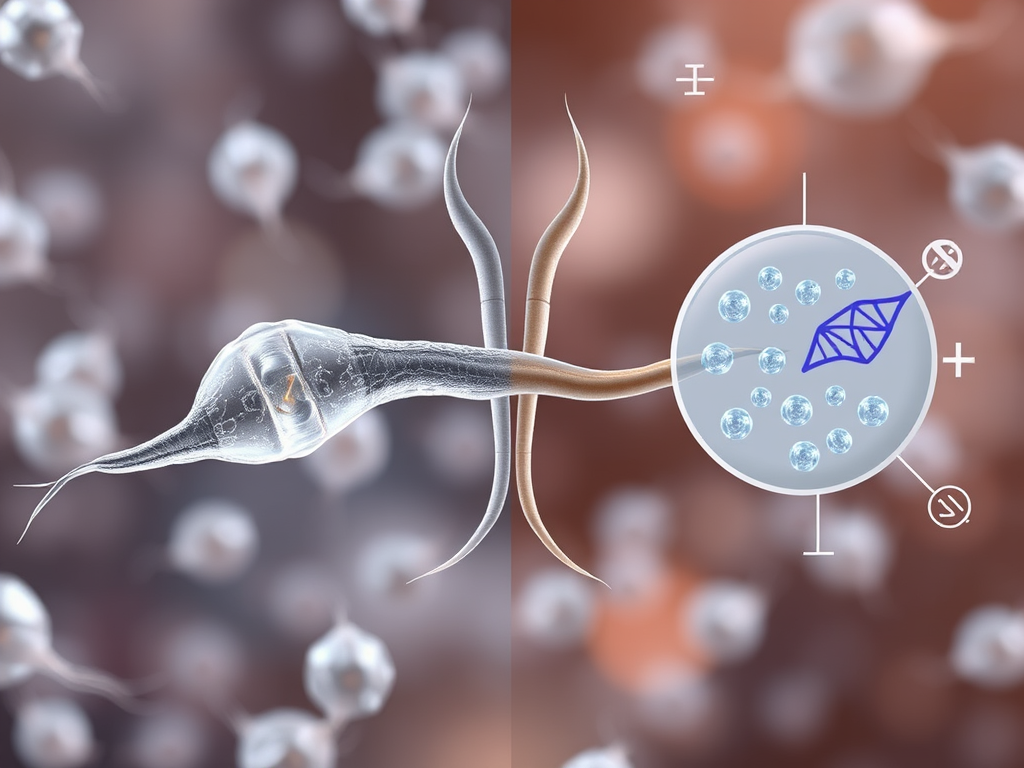
- Sperm used in IVF usually comes from one of two sources:

In-Vitro Fertilization (IVF) is a scientific and emotional journey that helps couples conceive when natural pregnancy becomes difficult. One of the most important steps in IVF is selecting the sperm used to fertilize the egg. The choice depends on the couple’s fertility health, medical history, and genetic background.
Sperm Source in IVF Procedures
Sperm used in IVF usually comes from one of two sources:
- The husband or male partner, when his sperm is healthy enough for fertilization.
- A donor, when the male partner’s sperm is unavailable, weak, or carries genetic risks.
In both cases, the sperm is carefully screened for quality, mobility, count, and any infections before it’s used for fertilization.
Use of Partner Sperm
When a couple undergoes IVF, doctors first examine the male partner’s semen. If the sperm count and motility (movement) are within normal limits, it can be used for fertilizing the woman’s eggs.
Even if the sperm count is slightly low, advanced IVF techniques like ICSI (Intracytoplasmic Sperm Injection) can help. In ICSI, a single healthy sperm is injected directly into the egg, increasing the chances of fertilization.
Use of Donor Sperm
In cases where the male partner’s sperm is not suitable, donor sperm may be used. Donor sperm is often chosen when:
- The male partner has zero sperm count (azoospermia).
- The sperm is genetically defective or may pass on inherited diseases.
- The male partner has undergone a vasectomy or cancer treatment that affected fertility.
- A single woman or a same-sex female couple wants to conceive.
Donor sperm is obtained from licensed sperm banks that follow strict screening guidelines to ensure genetic health, infectious disease safety, and confidentiality.
Screening and Selection Process
Every sperm sample used in IVF goes through a detailed laboratory analysis. Key checks include:
- Sperm count and motility
- DNA fragmentation (to ensure genetic quality)
- Infection screening for HIV, hepatitis, and other diseases
- Genetic testing is required for inherited disorders
For donor sperm, additional background checks are done to verify the donor’s health, education, and family medical history.
Ethical and Legal Aspects in India
Indian law allows the use of both partner and donor sperm in IVF, but under strict regulation.
- Donor identity is kept confidential.
- Clinics must follow the Assisted Reproductive Technology (Regulation) Act, 2021.
- Donors are screened and approved only through licensed sperm banks.
- The rights of the child born through donor sperm are protected under Indian law.
Transparency and consent are mandatory; both partners must sign approval before donor sperm is used.
The sperm used in IVF can come from the male partner or a donor, depending on health and fertility conditions. Each step from testing to fertilization is guided by science, law, and ethics. The goal remains the same: creating a healthy embryo and fulfilling the dream of parenthood.
FAQs
Can a husband’s sperm be used in IVF?
Yes, partner sperm is used in most IVF treatments if the quality and count are sufficient.
Can donor sperm be used for IVF treatment?
Yes, when the male partner’s sperm is unavailable or medically unsuitable, donor sperm is an option.
Can IVF succeed with low sperm count?
Yes, advanced techniques like ICSI help even with a very low sperm count.
Can a sperm donor’s identity be known to parents?
No, donor identity remains confidential under the ART laws.
Can a woman use IVF without a male partner?
Yes, single women and same-sex female couples can use donor sperm through legal and licensed clinics.
Author


Discover more from Southwala
Subscribe to get the latest posts sent to your email.