Southwala Shorts
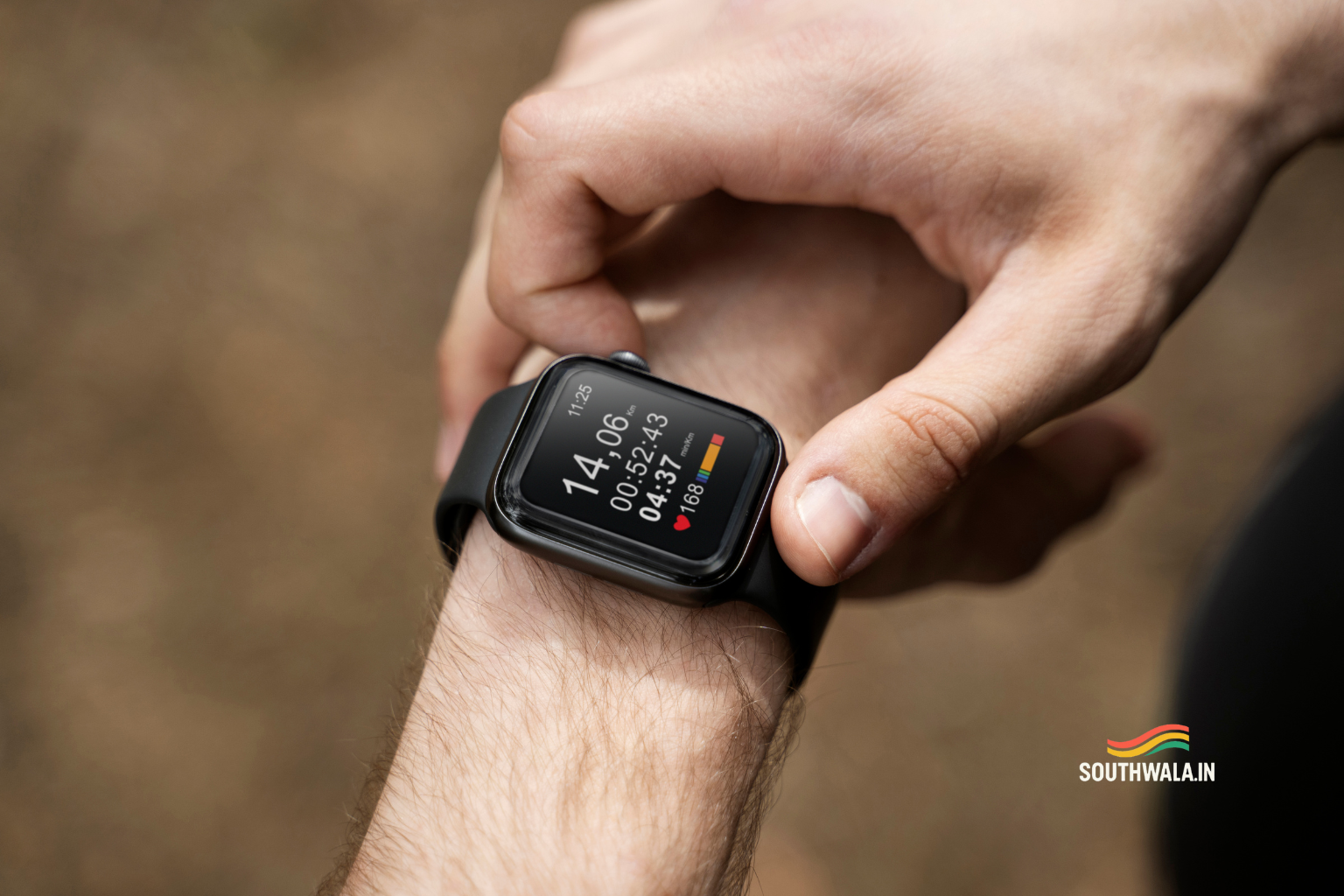
- The tiny device sitting on your wrist has evolved into one of the most powerful health tools of the modern world.
- Once seen as an accessory for tracking time and steps, smartwatches now monitor the body, predict health risks, and even detect medical emergencies in real...
- The journey from simple timekeeping to becoming a digital health ecosystem is one of the most fascinating stories of modern technology.
- Early smartwatches were designed to pair with smartphones for notifications and fitness tracking.

The tiny device sitting on your wrist has evolved into one of the most powerful health tools of the modern world. Once seen as an accessory for tracking time and steps, smartwatches now monitor the body, predict health risks, and even detect medical emergencies in real time. The journey from simple timekeeping to becoming a digital health ecosystem is one of the most fascinating stories of modern technology.
The Evolution from Accessory to Health Companion
Early smartwatches were designed to pair with smartphones for notifications and fitness tracking. Over the past decade, they have transformed into precision health instruments capable of tracking heart rhythm, oxygen levels, sleep quality, and stress patterns.
This shift began when companies like Apple, Fitbit, Samsung, and Garmin started embedding medical-grade sensors into their devices. Every heartbeat, breath, and movement now becomes a piece of digital data stored, analyzed, and used to understand human health more deeply than ever before.
The real power of a smartwatch lies not in its design but in its ability to interpret millions of micro-measurements your body produces every minute. It converts invisible biological patterns into visible insights.
The Sensors That Read the Body
Modern smartwatches come equipped with a range of sensors that act like a continuous diagnostic lab.
- Optical Heart Rate Sensor: Uses light to measure blood flow and calculate heart rate in real time. This same technology is also used to detect irregular heart rhythms such as atrial fibrillation.
- Accelerometer and Gyroscope: Detects movement, orientation, and sudden changes in motion, enabling features like step counting, fall detection, and even automatic workout tracking.
- SpO2 Sensor: Measures the amount of oxygen in the blood, a key indicator of respiratory health and sleep apnea risk.
- ECG and PPG Modules: Allow users to record the electrical activity of the heart, providing early detection for arrhythmias.
- Skin Temperature and Galvanic Sensors: Monitor body temperature fluctuations and sweat-based changes to estimate stress or hormonal cycles.
Together, these sensors create a complete digital map of how your body behaves through the day and night.
From Fitness Tracking to Predictive Healthcare
The early promise of step tracking has now expanded into preventive medicine. Smartwatches continuously collect longitudinal data daily information that builds a personalized health timeline. This helps identify patterns that may not be visible in a single doctor’s visit.
For instance, a smartwatch can detect irregular sleep for several weeks and correlate it with stress or caffeine intake. Another example is long-term heart rate data revealing early signs of cardiovascular strain, prompting medical evaluation before symptoms appear.
AI-driven algorithms now analyze this data to predict potential health conditions. Some smartwatches can warn users of potential respiratory infections based on subtle changes in oxygen saturation and resting heart rate. The watch has become the first line of defense in health awareness.
Data Privacy and the Ethics of Body Monitoring
As smartwatches collect intimate biological data, privacy has become a serious concern. Health information is extremely valuable to both companies and researchers. Many smartwatch makers claim to anonymize and encrypt data, but questions remain about ownership and usage.
The debate centers on control. Users generate the data, but companies often store and process it. Governments are beginning to regulate digital health data under laws like the EU’s GDPR and India’s Digital Personal Data Protection Act. The challenge is to ensure that this data revolution benefits health without compromising personal privacy.
The Rise of Biofeedback and Emotional Awareness
Beyond physical metrics, smartwatches are now entering the field of emotional health. Devices measure heart rate variability (HRV), a key indicator of stress and recovery. When paired with AI models, these readings can track emotional responses and suggest breathing exercises or mindfulness breaks.
Some companies are exploring mood detection through skin conductance and facial muscle activity using sensors built into straps or side cameras. The goal is to help people understand their emotional triggers in real time. The body’s data, once used only for physical fitness, is now being used to enhance mental resilience.
The Medical Future of Smartwatches
The next generation of wearables will function like miniature diagnostic devices. Researchers are testing non-invasive glucose monitors for diabetics, hydration trackers for athletes, and cuff-less blood pressure sensors for everyday use.
Hospitals and insurance companies are beginning to integrate smartwatch data into preventive care programs. Doctors can access a patient’s wearable records to track progress after surgery or monitor chronic illnesses. Health systems are shifting from reactive treatment to proactive monitoring, where early detection becomes the new cure.
The Technological Backbone – AI and Cloud Computing
Smartwatches themselves are not powerful enough to process the huge amount of data they generate. This is where cloud computing and AI come in. The raw data from the wrist is continuously sent to cloud servers, where machine learning models analyze trends, detect anomalies, and send back personalized insights.
AI turns the watch from a data recorder into a digital health coach. It learns from behavior patterns, sleep cycles, eating habits, workout routines, and suggests actions to improve wellbeing. Over time, this creates a bio-digital loop between body and machine.
The Human Benefit Beyond Numbers
Beyond health metrics, smartwatches have created a subtle psychological shift. People have become more aware of their own bodies. The constant feedback encourages better habits, consistent movement, and mindfulness about lifestyle. The data becomes motivation, not just information.
For elderly users, features like fall detection and emergency calling have literally saved lives. For younger generations, health tracking has turned into a daily ritual that blends self-care with technology.
The Future of the Body’s Data Center
The smartwatch represents the start of a larger evolution called the Internet of the Body. In the coming decade, wearable sensors will become smaller, smarter, and even implantable. These devices will connect directly to healthcare networks, offering a 360-degree view of the human body.
The idea is no longer just about fitness. It is about living with constant health awareness, powered by invisible data streams that keep us connected to ourselves. The body has become a living data ecosystem, and the smartwatch is its control center.
Frequently Asked Questions
Why are smartwatches becoming important for health tracking?
They offer continuous, real-time data about vital signs that help detect early changes in health and lifestyle patterns.
Can smartwatch data be trusted as medical-grade information?
Many modern smartwatches are FDA-approved for certain functions, but they complement rather than replace professional diagnosis.
Is personal data from smartwatches safe?
Most brands use encryption and anonymization, but users should review app permissions and avoid sharing data with third parties unnecessarily.
Do smartwatches really improve fitness and mental health?
Consistent tracking and feedback improve awareness, helping users build better habits for both body and mind.
Can doctors use smartwatch data for treatment?
Yes, in many cases, doctors review wearable data to monitor heart rate, sleep, or recovery progress as part of ongoing care.
Author


Discover more from Southwala
Subscribe to get the latest posts sent to your email.