Southwala Shorts
- India’s financial landscape has undergone one of the fastest transformations in modern economic history.
- The shift from cash to digital has not just changed how Indians transact it has also altered habits, inclusion, transparency, and trust.
- Digital payments are no longer a convenience.
- They have become a cultural and economic backbone that connects the smallest kirana shop in a village to the largest corporation in Mumbai.

India’s financial landscape has undergone one of the fastest transformations in modern economic history. The shift from cash to digital has not just changed how Indians transact it has also altered habits, inclusion, transparency, and trust.
Digital payments are no longer a convenience. They have become a cultural and economic backbone that connects the smallest kirana shop in a village to the largest corporation in Mumbai.
From Cash-First to Digital-First Nation
For decades, India’s economy ran on cash. Informal trade, low banking penetration, and a lack of digital infrastructure made physical currency the default choice. The turning point came in the mid-2010s with government-backed financial inclusion initiatives, rapid smartphone adoption, and the launch of UPI (Unified Payments Interface).
UPI changed the story. It made instant, free, and secure transfers possible across all banks, eliminating dependence on ATMs or branches. Today, India handles more than 12 billion UPI transactions every month, outpacing global systems like Visa and Mastercard in sheer volume.
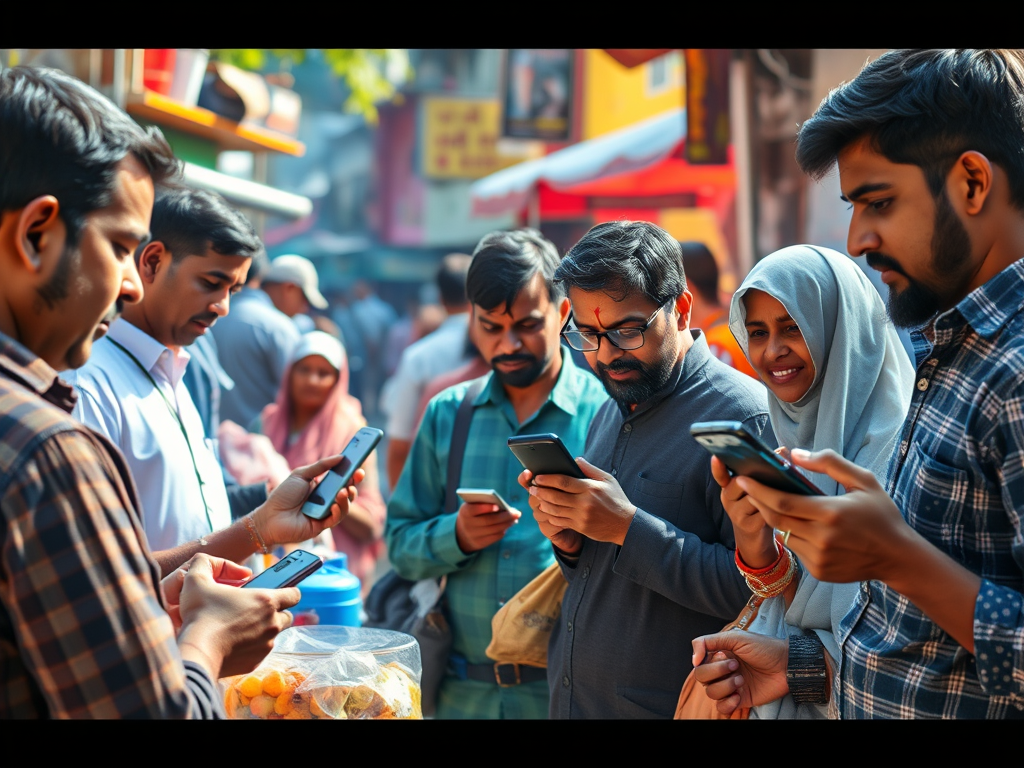
This movement redefined access. From a street vendor in Jaipur to a cab driver in Chennai, digital payments became the new normal.
The Rise of Financial Inclusion
Before the digital boom, millions of Indians lacked access to formal banking. Schemes like Jan Dhan Yojana, Aadhaar integration, and mobile banking connected these people to financial systems for the first time.
Digital payments accelerated inclusion by bridging the gap between citizens and services.
- Rural women began receiving subsidies directly into their bank accounts.
- Small farmers could sell produce and receive instant payments without middlemen.
- Migrant workers could send money home instantly instead of relying on physical transfers.
Financial access turned from privilege into a public utility.
Impact on Businesses and the Economy
For small businesses, digital payments created trust and transparency.
- Transaction histories helped shopkeepers access credit.
- Reduced cash handling lowered risks of theft and errors.
- Real-time payments improved cash flow for startups and SMEs.
On a national scale, digital payments strengthened the formal economy by expanding the tax base, improving traceability, and reducing black money circulation.
India’s digital payment ecosystem became a global model combining scale, security, and inclusion. Even the IMF and World Bank acknowledged India’s success as a replicable digital public infrastructure model.
The Cultural Shift: Digital Trust
Beyond economics, digital payments changed India’s mindset. Earlier, trust revolved around face-to-face transactions and cash in hand. Now, it is anchored in technology.
QR codes became the new handshake. A beep on a phone replaced the exchange of notes. Confidence in digital security systems like UPI PINs, Aadhaar-based authentication, and RBI-regulated payment gateways helped India leapfrog traditional barriers of digital adoption.
This cultural acceptance created a society where digital identity, digital banking, and digital payments coexist seamlessly.
Innovation Driving the Next Wave
India’s digital payment journey is evolving from basic transactions to intelligent financial ecosystems.
- UPI Lite enables instant offline payments.
- Digital Rupee (CBDC) will soon redefine how money is issued and circulated.
- Fintech startups are building new layers of credit, investment, and insurance on top of digital payment data.
In this ecosystem, every transaction generates a data point that strengthens India’s digital economy making it smarter, safer, and more inclusive.
Digital payments have become the heartbeat of India’s financial system. They transformed convenience into empowerment and inclusion into growth.
India’s financial DNA today is no longer cash-driven but data-driven.
Every QR code on a tea stall, every digital wallet in a student’s phone, and every UPI transaction in a rural town is proof that the country’s economy is not just growing, it’s evolving intelligently.
FAQs
Can digital payments improve financial inclusion in villages?
Yes, they help rural citizens access banking, government benefits, and private services easily.
Can digital payments be safer than cash?
Yes, digital payments reduce theft and provide secure authentication for every transaction.
Can small businesses benefit from UPI and digital wallets?
Yes, they save costs, build credit records, and gain customer trust.
Can digital payments reduce black money circulation?
Yes, traceable transactions promote transparency and formalize the economy.
Can India’s model be followed by other nations?
Yes, several countries are studying India’s UPI and Aadhaar models to build similar frameworks.
Author


Discover more from Southwala
Subscribe to get the latest posts sent to your email.