Southwala Shorts
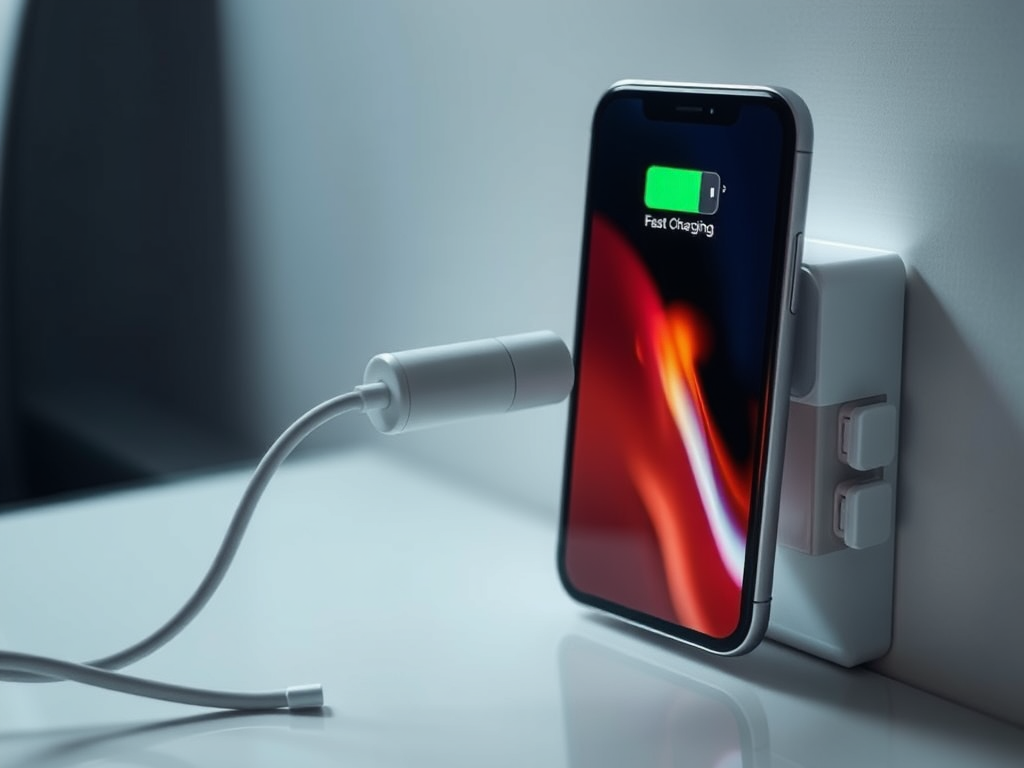
- Fast charging has become one of the most important features in modern smartphones and electric devices.
- Everyone wants their phone to go from 0 to 100% in minutes.
- But this speed also raises a key question, like how safe is fast charging for the battery in the long run?
- Understanding the science behind it reveals both the brilliance and the potential risks hidden in this technology.

Fast charging has become one of the most important features in modern smartphones and electric devices. Everyone wants their phone to go from 0 to 100% in minutes. But this speed also raises a key question, like how safe is fast charging for the battery in the long run?
Understanding the science behind it reveals both the brilliance and the potential risks hidden in this technology.
How Fast Charging Actually Works
Fast charging is not magic; it’s smart power management.
A battery stores energy through a chemical process. Normally, charging involves sending a steady current into the battery until it reaches full capacity. Fast charging, however, increases the amount of current or voltage delivered in the early stages to speed up the process.
Smart charging chips inside phones control this flow carefully, ensuring that the battery does not overheat or overcharge. Once the charge level crosses around 80%, the system automatically slows down the power supply to prevent damage.
This method is often referred to as constant current–constant voltage charging (CC-CV) a two-phase system where speed meets safety.
Different Types of Fast Charging Technologies
Every company has its own fast charging standard.
- Qualcomm Quick Charge, used in Android devices, adjusts voltage dynamically to shorten charging time.
- USB Power Delivery (PD) is a universal standard found in iPhones, laptops, and tablets, capable of delivering up to 100W of power.
- VOOC and SuperVOOC from Oppo and Warp/Dash Charge from OnePlus use customized circuits for ultra-fast power delivery while keeping heat under control.
- Apple’s Optimized Battery Charging learns charging habits to reduce wear over time.
Each technology focuses on balancing speed, temperature control, and safety through real-time monitoring.
The Heat Factor and Battery Health
Heat is the biggest enemy of a lithium-ion battery.
During fast charging, higher current leads to more heat generation inside the battery. While devices have built-in temperature sensors and software control to limit this, long-term exposure to high temperatures still affects the chemical structure of the battery.
Excessive heat can accelerate lithium plating, a process where lithium builds up on the anode surface, reducing the battery’s ability to hold a charge over time.
This is why fast charging is best used moderately and not as an everyday habit.
Impact of Frequent Fast Charging
Fast charging does not immediately destroy a battery, but frequent use can shorten the overall lifespan.
Every lithium-ion battery has a limited number of charge cycles, usually between 400 to 800 for phones. Fast charging adds more stress to these cycles because of increased current flow and higher operating temperature.
In most cases, the battery health drops faster when a device is constantly charged at high speeds. Slow or regular charging at night, when time is not a constraint, helps extend life.
Ways to Protect Battery Health While Using Fast Charging
Smart usage can prevent most long-term damage.
- Avoid using the phone while fast charging. It increases internal heat.
- Unplug once charged beyond 90%. Keeping a phone at 100% for hours stresses the battery.
- Keep devices in cool environments while charging to manage temperature.
- Use certified chargers and cables only, as mismatched voltage or power levels increase risks.
- Alternate between fast and normal charging depending on the situation.
Following these habits ensures speed does not come at the cost of battery life.
Fast charging is safe when used wisely. Modern smartphones are equipped with intelligent systems that protect against overheating, overcharging, and voltage spikes.
However, no technology can fully eliminate the laws of chemistry heat and high current will always add wear over time.
The real secret behind safe, fast charging is balance. Use it when necessary, avoid it when not, and your battery will serve you longer and better.
FAQs
Can fast charging damage a battery permanently?
No, but frequent fast charging can reduce long-term battery health due to higher heat.
Can slow charging improve battery life?
Yes, slow or overnight charging produces less heat, preserving battery capacity longer.
Can fast charging work with any charger?
No, it works only with chargers and cables certified for your device’s standard.
Can using the phone while fast charging harm it?
Yes, it increases temperature and slows charging, adding stress to the battery.
Can fast charging be used safely daily?
Yes, but occasional use of normal charging helps maintain battery health over time.
Author


Discover more from Southwala
Subscribe to get the latest posts sent to your email.