Southwala Shorts
- Artificial Intelligence has unlocked incredible possibilities, but one of its most controversial creations is deepfake technology.
- What began as a research experiment has now become a powerful tool capable of cloning a person’s face, expressions, and even voice with stunning accuracy.
- Deepfakes can entertain, educate, or deceive.
- The same technology used to make movie-level special effects can also be used to manipulate identities.

Artificial Intelligence has unlocked incredible possibilities, but one of its most controversial creations is deepfake technology. What began as a research experiment has now become a powerful tool capable of cloning a person’s face, expressions, and even voice with stunning accuracy. Deepfakes can entertain, educate, or deceive. The same technology used to make movie-level special effects can also be used to manipulate identities. Understanding how deepfakes work is the first step toward protecting oneself in an AI-driven world.
The Core Idea Behind Deepfakes
Deepfakes rely on deep learning, a branch of AI that teaches computers to learn patterns from large amounts of data. To clone a person, an AI model studies hundreds or thousands of images and audio samples. Over time, it understands how a face moves, how expressions form, and how the voice sounds.
Once the system learns these patterns, it can generate entirely new content that never happened in real life. The result may look and sound exactly like the real person. This is why deepfakes feel both magical and dangerous.
How Face Cloning Works
Face cloning combines two AI techniques:
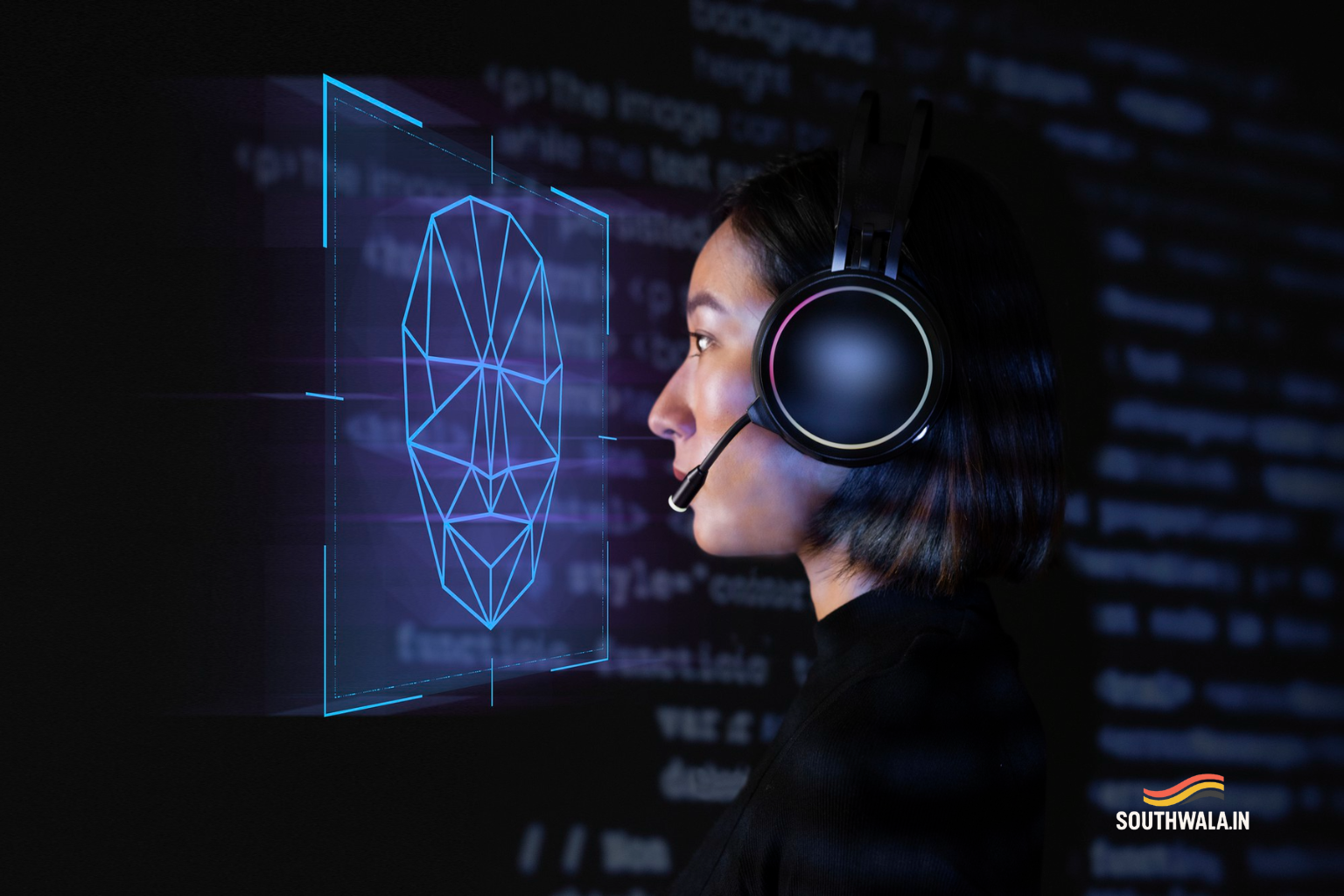
- Face Mapping: The AI studies facial structure, symmetry, skin texture, blinking patterns, and micro-expressions. It creates a digital mask that fits the target face.
- Face Swapping or Face Generation: The AI overlays this mask onto another person’s body or generates a completely artificial video. It adjusts lighting, head angle, and emotion to match the target perfectly.
Modern tools like GANs (Generative Adversarial Networks) make this possible. One AI model generates a fake face, while another AI model tries to detect flaws. They compete until the generated face becomes nearly indistinguishable from the real one.
How Voice Cloning Works
Voice deepfakes use AI models trained on speech samples. These models learn the tone, rhythm, pitch, accent, and emotional style of the speaker. Even a few minutes of audio can be enough for advanced systems to replicate someone’s voice.
Once the model is trained, it can produce new sentences that the real person never said. This is why voice deepfakes are often used in scams, impersonation attempts, and fraudulent calls. A cloned voice can sound convincing enough to fool friends, family, or colleagues.
The Real Uses Beyond Hype
Deepfake technology is not always harmful. Many industries use it for positive innovation.
• Film studios use deepfakes to recreate actors or de-age characters.
• Educators use deepfakes for interactive learning and historical re-enactments.
• Gaming and VR companies create lifelike avatars and immersive experiences.
• Language companies use deepfake avatars to generate multilingual content quickly.
Deepfakes can reduce production costs, preserve cultural history, and improve storytelling. Yet the same strengths also make them risky.
The Dark Side: Misuse and Manipulation
The biggest concern with deepfakes is deception. When AI can copy a person’s identity, it becomes a powerful tool for fraud.
• Scam calls using cloned voices of relatives or bosses
• Fake videos of politicians or celebrities
• Defamation and reputation damage
• Financial fraud using voice-based authentication
• Social engineering attacks
Even trained experts can struggle to identify well-made deepfakes. The technology evolves faster than human detection ability.
How to Spot a Deepfake
While deepfakes are becoming harder to detect, many still show clues:
• Unnatural blinking patterns
• Slight mismatches in facial lighting
• Lips not perfectly synced to audio
• Shadows inconsistent with the environment
• Emotionless or stiff facial movements
AI-based detection tools can help, but public awareness remains the best defense.
The Future of Deepfake Technology
Over the next decade, deepfakes will become more realistic and easier to create. Regulation, media literacy, and stronger verification tools will be essential. Companies are developing digital watermarking to label AI-generated content. Governments are drafting laws to penalize misuse. But real safety comes from understanding the technology and staying alert.
Deepfakes are a reminder that identity is vulnerable in the digital world. Awareness is protection.
FAQs
1. Why can deepfakes look so realistic
Because AI studies thousands of images and learns detailed patterns of a person’s face and voice, allowing it to replicate them with high accuracy.
2. Why is voice cloning dangerous
A cloned voice can be used in scams, impersonation, or fraud since it sounds identical to the real person.
3. Why are deepfakes used in movies
They help de-age actors, recreate historical figures, and reduce production costs without needing reshoots.
4. Why do people fall for deepfake scams easily
Deepfakes mimic real emotions, tone, and expressions, making them believable even to close friends or family members.
5. Why should everyone learn about deepfakes
Awareness helps protect against identity theft, misinformation, and emotional manipulation in the digital age.
Author


Discover more from Southwala
Subscribe to get the latest posts sent to your email.