Southwala Shorts
- Kaal Bhairav is one of the fiercest and most powerful forms of Lord Shiva.
- The name “Kaal” means time, and “Bhairav” means terrifying or protector.
- Together, Kaal Bhairav represents the one who controls time and destroys fear.
- He is not just a fearsome god – he is also a guardian of temples, a protector of the good, and a destroyer of ego...

Highlights:
- Kaal Bhairav is a powerful form of Lord Shiva
- Worshipped especially on Saturdays in places like Ujjain and Varanasi
- Known to protect devotees from fear, negativity, and delays in life
- Rituals include offering mustard oil, black gram, and even liquor
- Temples like Ujjain’s Kaal Bhairav are famous for this special worship
Who is Kaal Bhairav?
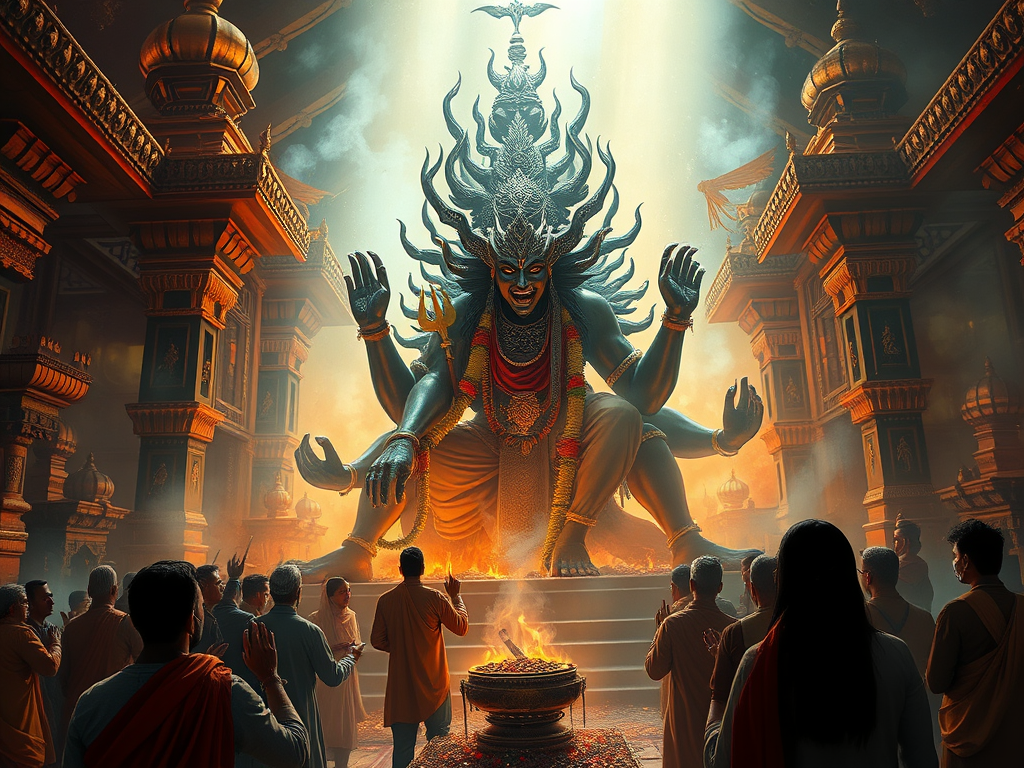
Kaal Bhairav is one of the fiercest and most powerful forms of Lord Shiva. The name “Kaal” means time, and “Bhairav” means terrifying or protector. Together, Kaal Bhairav represents the one who controls time and destroys fear.
He is not just a fearsome god – he is also a guardian of temples, a protector of the good, and a destroyer of ego and arrogance.
Why Saturdays Are Special for Kaal Bhairav
In many Shaivite traditions, especially in North India, Saturday is the day when devotees worship Kaal Bhairav with deep faith. Here’s why:
- Saturday is ruled by Shani (Saturn) – the planet of karma, time, and justice
- Kaal Bhairav, as the controller of time, is worshipped to soften Shani’s harsh effects
- People believe that praying to Bhairav on Saturday helps remove delays, setbacks, and unknown fears
What Devotees Offer on Saturdays
Worship of Kaal Bhairav is unlike any other form of Shiva:
- Mustard oil is poured on his idol or on the lamps
- Black gram (urad dal) and black sesame are offered
- In many places like Ujjain and Varanasi, liquor is also offered in temples – a unique tradition rooted in Tantric rituals
- Some even offer coconut, incense, and sweets after the oil ritual
Devotees light lamps, chant mantras, and sit in silence to seek blessings.
Temples Where You Can Visit Kaal Bhairav
Here are some of the most visited Kaal Bhairav temples in India:
- Kaal Bhairav Temple, Ujjain (Madhya Pradesh) – Offers liquor to the deity
- Kaal Bhairav Mandir, Varanasi (Uttar Pradesh) – One of the oldest shrines, near the Kashi Vishwanath temple
- Kala Bhairava Temple, Bhubaneshwar (Odisha) – Known for its fierce form and energy
These temples become crowded on Saturdays and during Bhairav Ashtami.
What Happens After You Worship Kaal Bhairav?
It’s believed that regular worship of Bhairav helps you:
- Get rid of unknown fears
- Solve legal, financial, and property issues
- Protect from black magic or negative forces
- Gain discipline and control over one’s bad habits
- Overcome delays in work or karma
What We Often Forget
Worshipping Kaal Bhairav on a Saturday is not about fear – it’s about facing your fears. He reminds us that time is powerful, and those who walk the path of truth and discipline have nothing to be afraid of.
FAQs
Q1. Can anyone offer liquor to Kaal Bhairav?
Yes, it’s a symbolic offering, especially in temples like Ujjain. It represents surrendering ego and impurities.
Q2. What is the best time to worship Kaal Bhairav?
Early morning on Saturday or during Bhairav Ashtami days.
Q3. Can women worship Kaal Bhairav?
Yes, absolutely. There is no restriction in temples like Varanasi or Ujjain.
Q4. What is the mantra of Kaal Bhairav?
“Om Hreem Batukaya Apad Uddharanaya Kuru Kuru Batukaya Hreem Om Phat.”
Q5. Is Kaal Bhairav same as Shiva?
He is a form of Shiva – fierce, protective, and powerful.
Author


Discover more from Southwala
Subscribe to get the latest posts sent to your email.