Southwala Shorts
- The forehead is seen as the place of the Ajna Chakra or the third eye in Indian tradition.
- This point is believed to be the seat of wisdom, clarity, and inner vision.
- Applying Tilak on this spot is said to awaken spiritual energy and bring mental balance.
- In temples, devotees apply Tilak before prayer to center their thoughts and connect with divine energy.

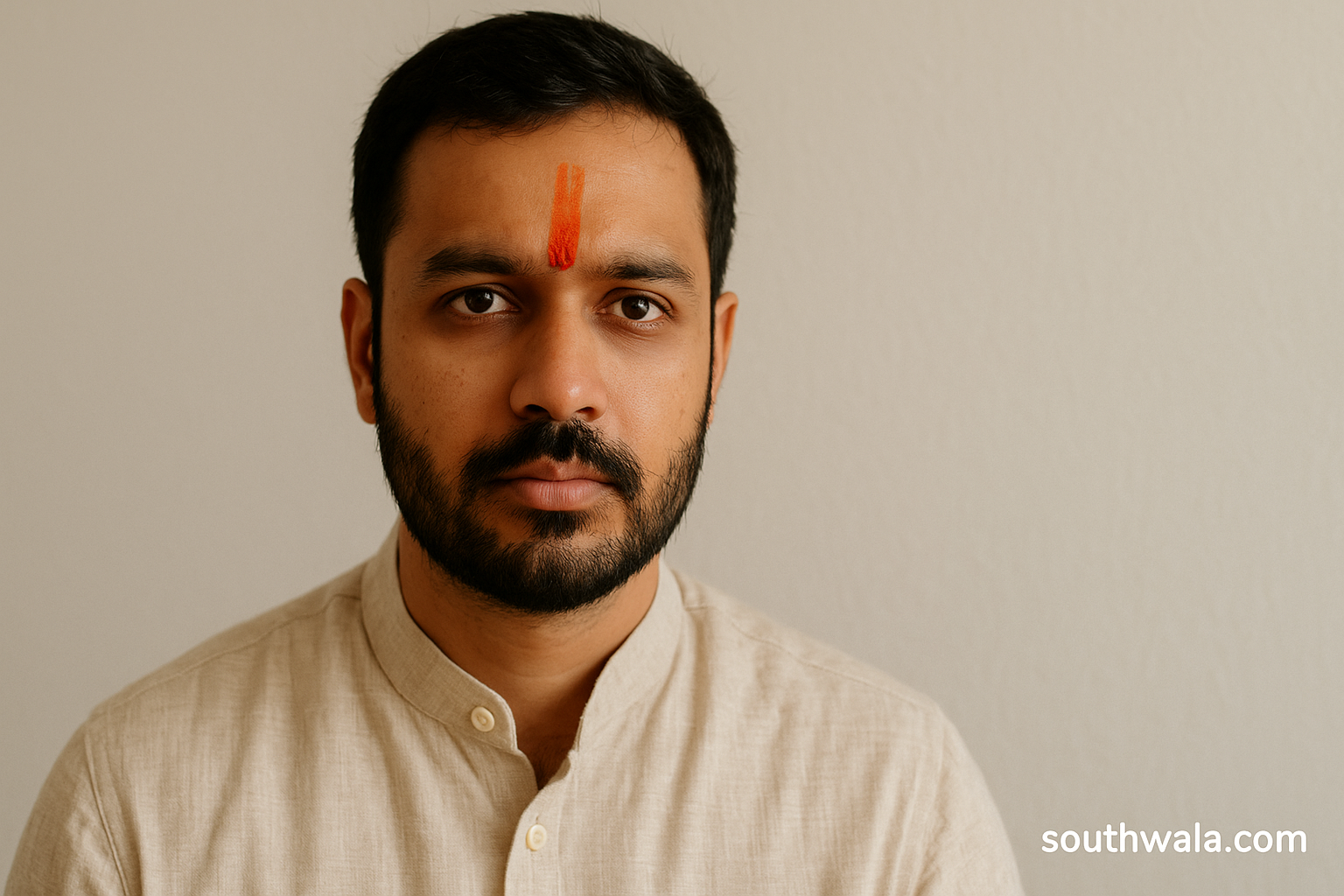
The forehead is seen as the place of the Ajna Chakra or the third eye in Indian tradition. This point is believed to be the seat of wisdom, clarity, and inner vision. Applying Tilak on this spot is said to awaken spiritual energy and bring mental balance. In temples, devotees apply Tilak before prayer to center their thoughts and connect with divine energy.
Role of Colors
The material used for Tilak changes its meaning. Red Kumkum made from turmeric and lime represents strength and prosperity. Sandalwood paste is used for peace and cooling of the mind. Ash from Yagna or Havan signifies purity and detachment. For example, Vaishnav devotees wear a U-shaped Tilak with sandal paste while Shaivites often apply sacred ash on the forehead.
Energy and Concentration
The point between the eyebrows is considered highly sensitive. Tilak applied here is believed to conserve energy and reduce unnecessary thoughts. In daily life, students preparing for exams often apply sandal paste Tilak as a way to improve focus. Similarly, saints and yogis use Tilak as a tool for concentration during meditation.
Social and Cultural Angle
Tilak also serves as a social identifier. Different communities and traditions have unique styles of applying it. For instance, in South India, men often apply vertical white lines with Vibhuti, while in North India, Kumkum or Chandan is common during rituals. The practice conveys belonging, respect, and pride in tradition.
Scientific Understanding
Modern science explains that the spot where Tilak is applied has many nerve endings. Applying paste with gentle pressure activates these points, which may help in calming the mind. The cooling effect of sandalwood paste reduces stress and promotes relaxation. In this way, a spiritual act is also linked with health benefits.
Even today, Tilak is not limited to religious rituals. People wear it during festivals, marriages, and cultural gatherings. For example, businessmen often apply Tilak before opening a new shop as a symbol of good fortune. Children too are often given Tilak during important family ceremonies as a mark of blessings.
FAQs
- Does Tilak have different meanings in different religions
Yes, Shaivites, Vaishnavs, and Shaktas use different materials and designs with unique meanings. - Is Tilak only for men or also for women
Both men and women use Tilak, though styles may differ across regions. - Can Tilak be applied daily outside rituals
Yes, many people apply it daily as part of their routine for energy and positivity. - Does the material of Tilak matter for benefits
Yes, sandal, kumkum, and ash all carry different symbolic and physical effects. - Is Tilak still relevant in modern times
Yes, beyond tradition it serves as a cultural marker and has calming health benefits.
Author


Discover more from Southwala
Subscribe to get the latest posts sent to your email.